The U.S. Fish and Wildlife Service (USFWS) released its findings from the 2018 Waterfowl Breeding Population and Habitat Survey conducted in May and June. The resulting 2018 Waterfowl Populations Status Report is based on aerial and ground population surveys conducted over more than 2.1 million square miles of duck nesting area in the northern U.S. and Canada. While the data show that overall duck populations are in decline from last year, they are still well above their long-term averages.
Conducted in partnership between the USFWS and the Canadian Wildlife Service, the 2018 population survey results indicate an overall population decline from 47.27 million in 2017 to 41.19 million in 2018. While this represents a 13 percent decrease from last year (in fact, the lowest total breeding duck population estimate since 2010, according to Delta Waterfowl) the larger picture shows that the majority of duck populations are still 17 percent above their long-term averages.
2018 Population Estimates by Species
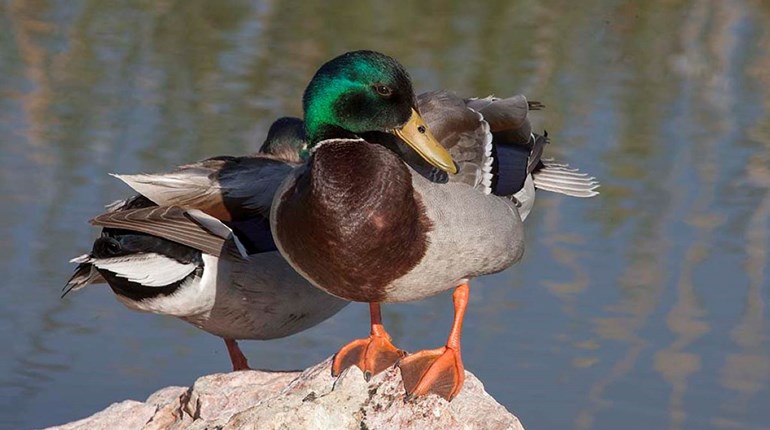
Mallards: 9.26 million; down 12% and 17% above long-term average
Gadwall: 2.9 million; down 31% and 43% above long-term average
American Wigeon: 2.82 million; up 2% and 8% above long-term average
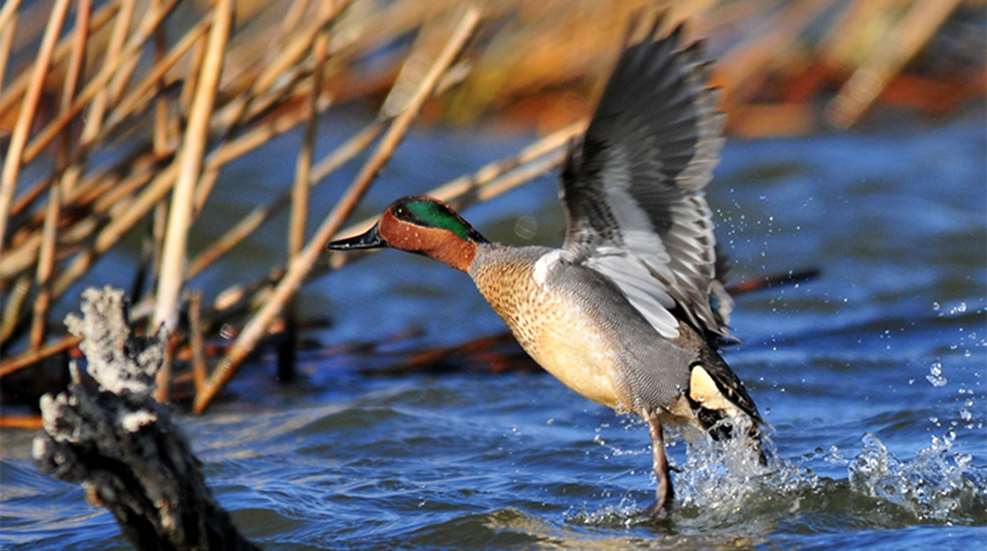
Green-Winged Teal: 3.04 million; down 16% and 42% above long-term average
Blue-Winged Teal: 6.45 million; down 18% and 27% above long-term average
Northern Pintail: 2.37 million; down 18% and 40% below long-term average
Northern Shoveler: 4.21 million; down 3% and 62% above long-term average
Redhead: 1 million; down 10% and 38% above long-term average
Canvasback: 0.69 million; down 6% and 16% above long-term average
Scaup: 3.99 million; down 9% and 20% below long-term average
The decline in population numbers was not a surprise, according to Delta Waterfowl, as dry conditions in early 2018 resulted in a 14 percent combined reduction in May pond counts conducted across waterfowl breeding grounds in Alberta, Saskatchewan, Manitoba, Montana and the Dakotas.
“The pond count has been above, in some cases way above, the long-term average for many years, and we’ve enjoyed huge duck estimates as a result,” said Dr. Frank Rohwer, president and chief scientist of Delta Waterfowl. “This year, the count is average and in some cases, well-below average.”
So does this mean empty skies for a nation of hungry duck hunters this season? Certainly not. As Delta’s Rohwer points out in a recent press release, “Fortunately, we continue to benefit from ‘carryover birds’ hatched during highly productive springs over the past several years.”
While hunters can rest assured they will still see ducks throughout the flyways, getting them into shotgun range may present a bit more of a challenge this season. “There will be plenty of ducks in the fall flight, but unlike years when there are plenty of easily decoyed juveniles, hunters can expect savvy, adult birds,” Rohwer said.
To view the complete 2018 Waterfowl Populations Status report, click here.