Know-How: Broadheads for Gobblers

by
posted on April 17, 2018
** When you buy products through the links on our site, we may earn a commission that supports NRA's mission to protect, preserve and defend the Second Amendment. **
broadheadsforgobblers_lead.jpg

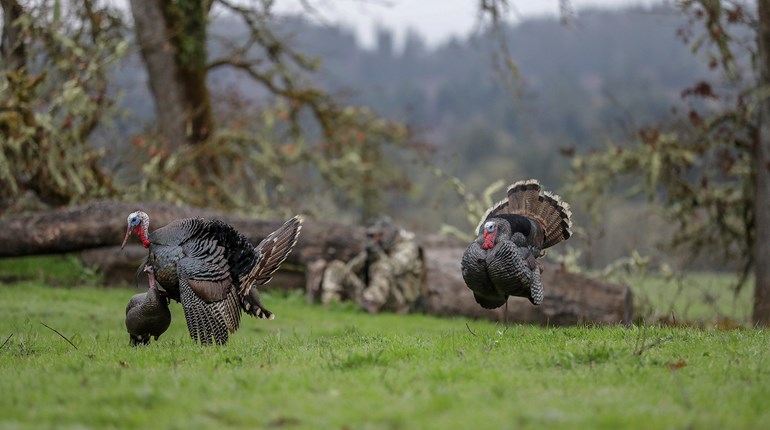
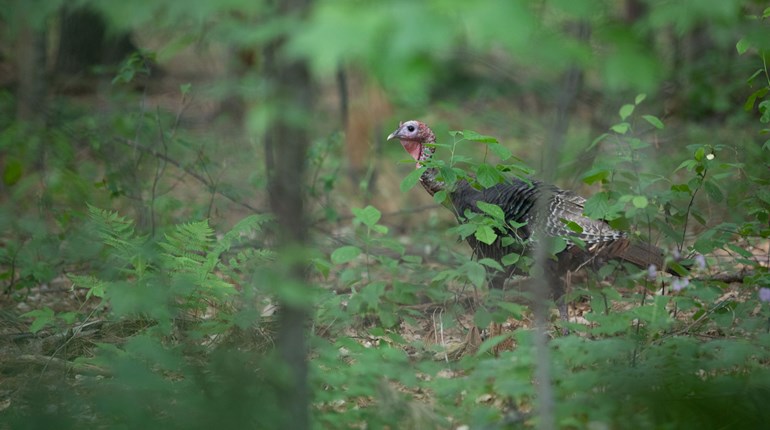
Spring gobblers offer small vital areas and perpetually shifty targets for bowhunters. The shotgun hunter’s requisite head/neck placement is a low-odds proposition with a bow (exception below). Mid-body shot placement provides wider margins for error into gobblers’ baseball-sized vitals. The solution to reliably anchoring gobblers with mid-body hits is cutting large holes and creating wound channels that convert even marginal hits into dead birds.
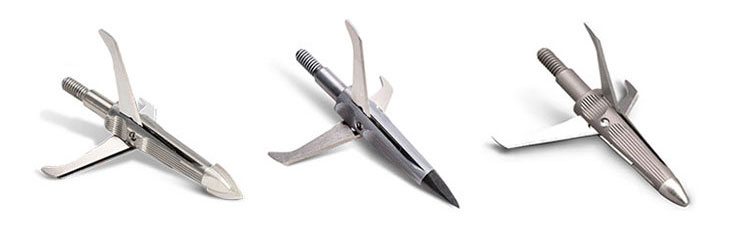
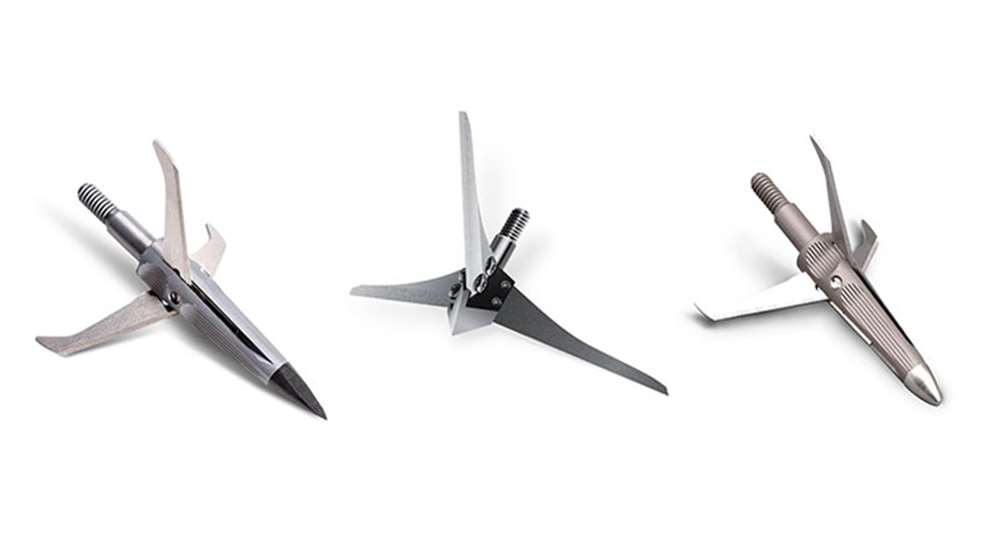
Look for mechanical broadheads with cutting diameters of 1.5-2 inches, 180-degree flip blade deployment, conical or pyramid tips (instead of scalpel-like tips) and three blades (instead of two). Flip-back blades and less efficient tips slow penetration and are more likely to leave arrows in birds, which snag brush or impede flight should a gobbler flee following a hit. Three-blade designs with wide cutting diameters provide improved odds of nicking something vital. Prime candidates include the Trophy Ridge Rocket Hammerhead, New Archery Products (NAP) Spitfire Maxx, Spitfire XXX and Gobbler Getter, and Wasp Jak-Hammer.
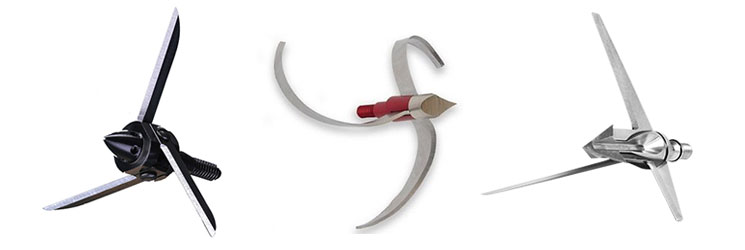
Turkey head-lopper broadheads include wide-reaching blades with 2- to 4-inch cutting diameters that obviously increase the margin for error on tricky head/neck shots. A drawback, especially when launched from high-speed performance compounds, is they often require more aggressive fletchings (5- to 5.5-inch natural feathers vs. standard 4-inch vanes) to ensure adequate stabilization. Arrowdynamic Solutions designed the original, the Guillotine, with others like the Flying Arrow Archery Tom Bomb, Solid Turkey D-Cap, Magnus Bullhead and Bloodsport Wraith Turkey Lopper following suit.

Latest

Scott Olmsted
Scott Olmsted

Says You: Trail Camera Overkill?

Editor-in-Chief Scott Olmsted's monthly response column to questions posed by our members. This week, we're discussing mountain lions, poaching and trail camera use.

New for 2026: Trijicon SRO Green Dot

Trijicon has announced a 2.5 MOA, Green Dot version of the SRO reflex sight. The new model will be available in Black and Coyote Brown anodized finishes.


More Than $6.6 Million in Tribal Wildlife Grants to Advance Conservation

The U.S. Fish and Wildlife Service (USFWS) is awarding more than $6.6 million to federally recognized Native American and Alaska Native tribes to benefit fish and wildlife resources and their habitats. This year’s funding will support 35 tribes for conservation projects across 15 states, benefiting a wide range of wildlife and habitat, including species of cultural or traditional importance to Indigenous communities.

Hardware Review: TriStar KR.22

TriStar is noted for shotguns, but Bryce Towsley recently received a test gun from them that’s much different. Check out his review on the TriStar KR.22.

New for 2026: Browning Trail Cameras' Security Tree Strap

Browning Trail Cameras has released a Security Tree Strap, a durable and dependable mounting solution to keep trail cameras in place in nearly any environment.

Proof Research Introduces PXT Rifle Barrel Technology

Proof Research has launched Proof Exponential Twist (PXT), an advancement in rifling that promises to improve durability, accuracy and shootability. Further, Proof has backed this new technology with extensive military testing and research. Engineered to meet the demands of modern high-pressure ammunition, PXT is billed as delivering longer barrel life, improved consistency and enhanced performance.  

Interests


Get the best of American Hunter delivered to your inbox.