Know-How: Why Motion Kills

by
posted on November 30, 2016
** When you buy products through the links on our site, we may earn a commission that supports NRA's mission to protect, preserve and defend the Second Amendment. **
kh_motion_kills_f.jpg

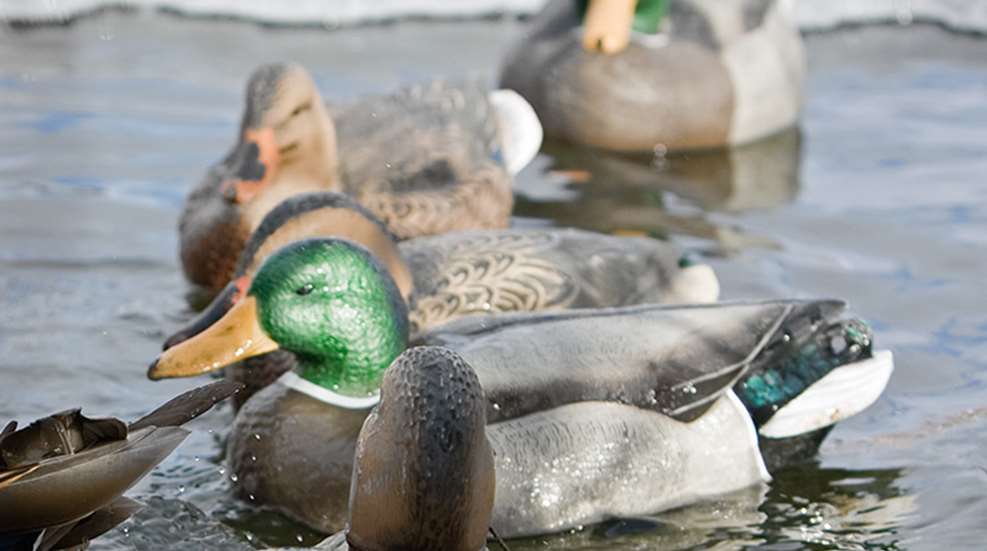
Waterfowlers love wind. Because birds typically land into it, wind helps to channel ducks and geese in a definitive direction so you can set your spread and hide accordingly. It also moves the decoys, which makes them look more realistic and therefore more likely to fool your quarry.

Thanks to enterprising and inquisitive waterfowl junkies who wanted to see how their spreads looked from a bird’s-eye view, we now know that perhaps the biggest reason wind increases a spread’s effectiveness is because it helps waterfowl see the decoys.

Think about how a mountain or tree line is so beautifully reflected in the glass-smooth surface of a lake or pond. Now imagine you’re a duck flying over a decoy spread sitting on absolutely still water. What’s that duck going to see? The sky, because the water’s surface is acting like a mirror. By contrast, when the wind ripples up the water, the surface can’t reflect the sky and the ducks can now see the decoys more clearly.

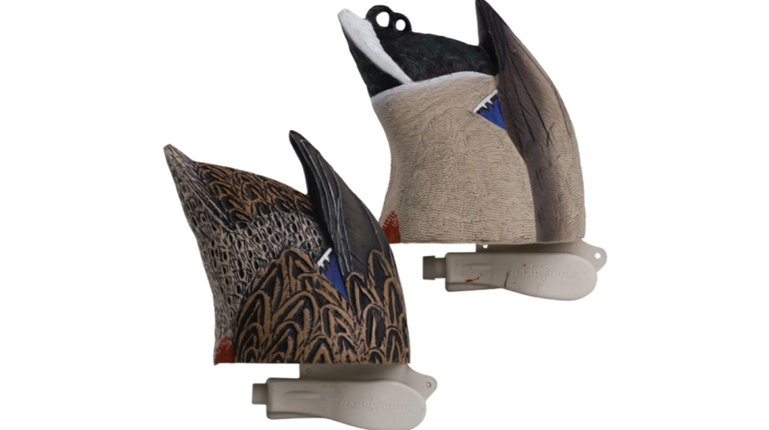
If you’re hunting over water on a calm day, the best way to increase your decoys’ visibility is to churn up the water. That’s one of the main reasons timber hunters thrash the water with their feet; it’s why jerk cords can be so effective, especially when hunters really rip on the cord to send ripples coursing throughout the majority of the spread. The next time you think ducks are ignoring your decoys because they look lifeless sitting still on the water, it might just be the ducks can’t see them.

Latest

009 Henusr25 R Gun Ready 01

Range Review: Henry's U.S. Survival .22 LR Takedown Rifle

This handy little rimfire from Henry is practical, portable and enjoyable to shoot! Check out our thorough review of the rifle here.

Saiga Antelope: Conservation Success in Kazakhstan

The Saiga (antelope) in Kazakhstan has rebounded from dangerously low numbers and has been recognized as a success by the international body governing threatened and endangered wildlife.

Hardware Review: Benelli Super Black Eagle 3 A.I. BE.S.T

The Benelli Super Black Eagle 3 A.I. BE.S.T. is, put simply, on the fast track to being considered a waterfowling marvel. Standing for Advanced Impact technology, the SBE 3 A.I. shoots its shot with  improved downrange results thanks to a very, very proprietary barrel technology that actually assists in energy retention for greater downrange velocity. Sounds crazy, right? That’s what I thought too; then I took the gun to Montana’s Bighorn River and had my mind blown.

Bowhunting Increases in Ohio, but a New Restriction Comes to Arizona

A crossbow harvest more than double the number taken by vertical bow in Ohio illustrates why Arizona recently repealed R12-4-216.

Story of a Lever Gun—The Red Plaid Project Part 1

Andi Bogard embarks on the quest to build, test and hunt with a classic lever gun in a classic way. Check out the first installment of the project here.

Moultrie Introduces A.I. Scouting

Moultrie has integrated its new A.I. into the Edge 3 and Edge 3 Pro cellular trail cameras.

Interests


Get the best of American Hunter delivered to your inbox.