The Question
In response to a comprehensive gun rights bill that was recent passed in Georgia, Atlanta Journal-Constitution columnist Jay Bookman made the following statement:
“It will now be legal in Georgia to hunt with weapons equipped with silencers. Why? I do not know. I do know that suppressing the sound of gunfire in the woods will make it more difficult for hikers, birdwatchers, farmers and other outdoorsmen to know that active hunters are out there.”
Mr. Bookman claims to want to know “why?” Well, here are some good reasons.
The Facts
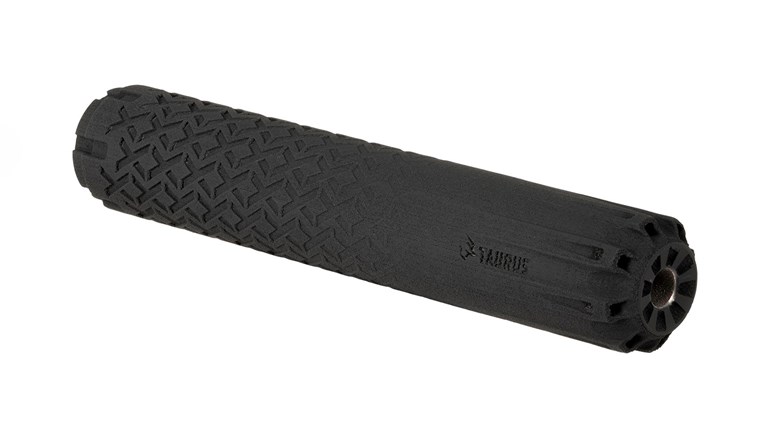
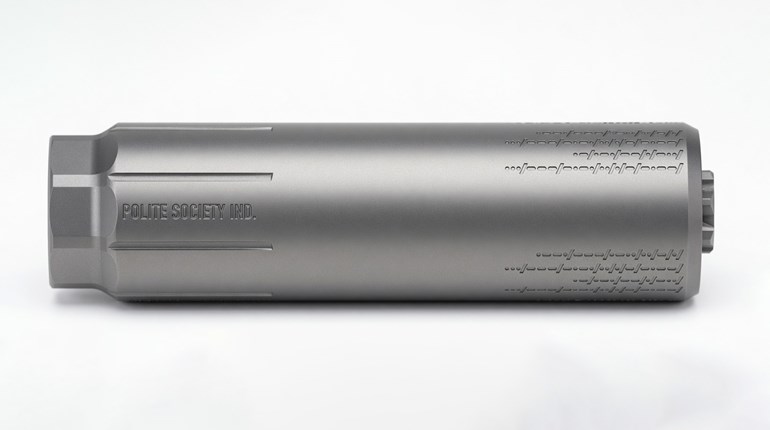
1. First of all “silencers,” which are more accurately described as “suppressors,” do not render a gun’s report silent. Like the muffler on a car, a suppressor reduces the noise signature from the discharge of a firearm to a more reasonable level. You see, Mr. Bookman, guns are loud—loud enough to cause permanent hearing loss. While most shooters wear hearing protection on the range, many hunters don’t wear earplugs or muffs when hunting because it makes it more difficult to hear an animal’s approach. A suppressor can reduce the risk of hearing damage associated with discharging a firearm. When my children are old enough to be exposed to hunting, I hope that I will be able to legally equip their rifles with suppressors to protect their hearing.
2. Suppressors reduce recoil and muzzle blast. High-powered rifles (such as those used for deer hunting) produce a great deal of muzzle blast and significant recoil, neither of which is conducive to good shooting. Humans are susceptible to the “overpressure event” of a gunshot, which can cause a flinch when the trigger is pulled: the body knows what’s coming and it reacts to protect itself from the perceived danger. Suppressors reduce the recoil and muzzle blast therefore making rifles easier to shoot accurately: less recoil and blast, less flinch. This means an increased likelihood of an accurate shot, which means a quick and humane demise for the game animal.
3. Even suppressed, guns are still loud. The vast majority of hunting cartridges produce supersonic muzzle velocities, which means that even suppressed, they produce an audible sonic “crack” or “boom.”
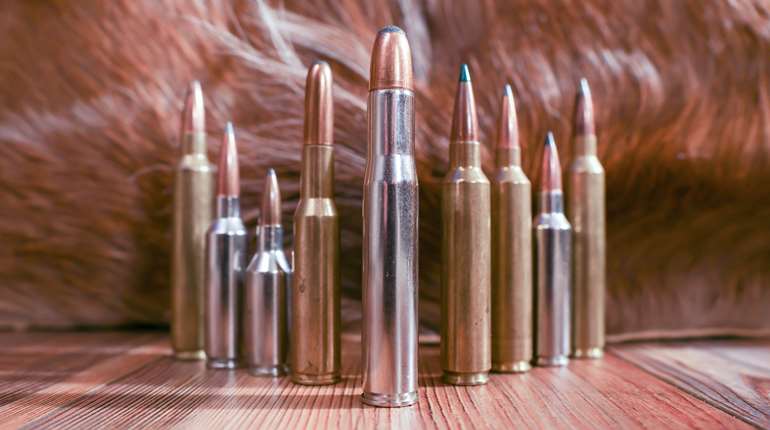
Let’s look at a practical example. One of the most common deer hunting rounds in the U.S. is the .30-06. The cartridge has been around since before World War I and remains the “All American” big game round. It is used by hundreds of thousands of hunters each season. The .30-06 produces a sound signature of approximately 158dB out of a 24” barrel. On the decibel scale, the smallest audible sound (near total silence) is 0 dB. A sound 10 times more powerful is 10 dB. A sound 100 times more powerful than near total silence is 20 dB. A sound 1,000 times more powerful than near total silence is 30 dB. A good suppressor, such as an Advanced Armament Corporation’s $1050 762-SDN-6, reduces a supersonic rifle’s report by about 25dB. That means that equipped with a suppressor, our .30-06 will still produce a noise level of around 133dB. So how loud is that? A lawnmower is 90 dB, a car horn is 110dB and a rock concert is 120dB.
The Lame Policy Argument
The author’s final statement is that "suppressing the sound of gunfire in the woods will make it more difficult for hikers, birdwatchers, farmers and other outdoorsmen to know that active hunters are out there.” Beside the fact that we just established that the suppressed gunfire will still be louder than a car horn, jet engine or rock concert, there is another reason why this is ridiculous. Shotguns are impractical to suppress so we’re talking about rifles here—in Georgia, that means that we are hunting deer. Based on his comments, I am assuming that Mr. Bookman hasn’t done a lot of deer hunting. Deer are prey animals with an excellent sense of hearing. Loud noises put deer into flight mode and send them running for cover, which is why we deer hunters don’t go firing-off a bunch of rounds to let birdwatchers know that “active hunters are out there." In two decades of deer hunting, I can count the number of times that I’ve fired more than a single shot on one hand.
As a journalist, I’m sure Mr. Bookman has access to databases such as Lexis-Nexis. Perhaps he can do a search and tell us how many birdwatchers have been shot by hunters in the 30 states that allow the use of suppressors for hunting big game or varmints?
The Call
I’m calling “BullShooters" on this one. Mr. Bookman’s comments are devoid of facts or a rational policy argument. Suppressors are a safe and effective tool for hunters and shooters and pose no increased risk to society. Georgia’s legislation does nothing to legalize the ownership of suppressors, that is still strictly-regulated by the National Firearms Act of 1934 which requires a $200 fee, fingerprinting, and background checks beside the nearly yearlong wait for an approval.