Whether driving to your local hunt club or exploring remote areas a thousand miles from home, few people take into account what they would do in a life-and-death situation. We’ll spend hours deciding what to pack, but most of us are guilty of putting zero effort into learning the science of survival. Yet any of the scenarios listed below are possible and in the wrong circumstances, they could be life threatening:
• Your vehicle could break down or run out of gas.
• You could suffer an accident.
• You could become stranded due to weather.
The lack of planning is human nature. Most people don’t navigate every corner expecting death and destruction. It’s far more pleasant to focus on the fun and excitement of a trip to a favorite hunting destination or a vacation where you’ll experience new territory and adventures. That was exactly the mindset of Stacey Huston when she left work one evening 22 years ago to go four-wheeling in the mountains outside of her home in Billings, Mont.
Huston, who is an accomplished wildlife photographer, wouldn’t dream of going outdoors today in light slacks, canvas shoes and no coat. But Huston the teenager didn’t give it a second thought as she headed out with friends in two separate trucks. Huston and a male friend decided to keep going when her friends in the second vehicle decided to turn their truck toward home.
They were alone and about 20 miles from civilization when Huston’s friend started down a hill that made her scalp prickle with dread. Sure enough, the hill was too slick to get back up. So they kept moving forward, though the road was becoming more impassable. By 2 a.m. or 3 a.m., it was clear they had reached the end of the line.
“My feet were soaked and very cold so when the guy I was with decided he was going to walk out, I knew I couldn’t do that,” Huston said. “So I decided to spend the rest of the night in the truck. I took my socks off to dry. I knew I couldn’t let the truck run so I started it every hour and let it run a few minutes to warm up and dry my socks and shoes.”
The next morning there was no sign of her companion, and Huston believed that he hadn’t made it out. Because she had not left word with anyone regarding her whereabouts, Huston was concerned that nobody would know where to look for her. Things looked bleak. Huston began digging through her friend’s truck and found some extra socks, plastic baggies and binoculars. With warm, dry socks and sandwich bag galoshes, Huston set out to find a U.S. Forest Service cabin she knew of.
It was dark by the time she reached the cabin. The next day, she flagged down her friends, who had come back to find her. The story of her three-day ordeal ended happily but has served as a lesson to Huston ever since.
“What I learned was always trust your own instincts. Don’t put your well-being in someone else’s hands, Huston said.
Survival expert Peter Kummerfeldt couldn’t agree more.
“Don’t count on anyone else to help you when you’re in trouble. Nobody cares about you more than you,” said Kummerfeldt, a graduate of the Air Force Survival Instructor Training School, survival instructor and author of Surviving a Wilderness Emergency. “Step up to the plate and take responsibility for your life by equipping yourself properly, learning the skills you need to survive, and practicing those skills.”
Don’t be complacent and tell yourself that getting stranded or lost can’t happen to you. This is one of those times it’s healthy to be a pessimist. Count on the fact that things can and will go wrong. Make a plan now using the survival tips Kummerfeldt has shared below:
1. The most important step in getting rescued quickly is to leave a trip plan with two people who you can count on to raise an alarm if you don’t show up on time. At the bare minimum, your trip plan should include details such as:
• Names, ages, experience levels and medical histories of the members in your party.
• Make, model, color and license plate numbers of vehicles used on the trip.
• Departure point and point of return.
• Dates of your departure and return.
• Location of planned campsites and your expected routes of travel plotted on a topographic map.
2. If you’re stranded in a car, truck or SUV, you are more likely to survive longer if you stay with that vehicle. It can serve as shelter as well as provide a big target for those who are searching for you from the air.
A vehicle is also full of odds and ends that can be used for your comfort and safety as well as being helpful in getting you rescued. You can use the rear-view mirror as a signaling device. You also can signal with the horn in addition to flashing your lights at night. Seat covers and headliners can keep you comfortable. And if you’re not out of fuel, you can start your car or truck to stay warm.
Plus, by staying with the vehicle, you can avoid the rigors of travel. If you opt to hit the trail, your physical condition is guaranteed to deteriorate as you battle the terrain, weather and insects. When you’re on foot, you’ll complicate your life by needing a plan for fire, shelter and other survival necessities.
3. Buy a personal locator beacon, DeLorme inReach Satelite communicator or a SPOT satellite messenger. Kummerfeldt calls these devices “phenomenal pieces of equipment that are your ace in the hole when you’re lost or stranded.”
A personal locator beacon is a portable transmitter that can send an emergency distress signal to a constellation of satellites. These satellites can then relay your information, including your location, to search-and-rescue teams anywhere in the world. The SPOT satellite messenger and inReach are portable satellite communication devices that provide text messaging and your GPS location.
These devices have their pros and cons so you’ll want to do your research before you make an investment.
4. Put together an emergency kit for your vehicle. At the very least, make sure you carry:
• Personal locator beacon or SPOT satellite messenger.
• Blanket or sleeping bag for warmth and comfort.
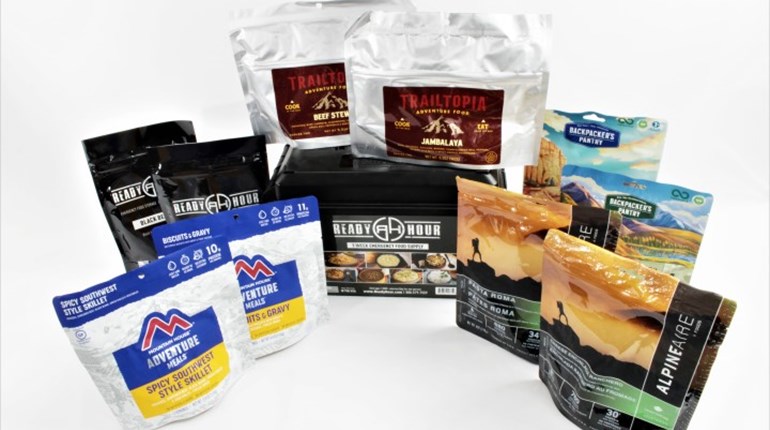
• Supply of food and water (cup-of-soup powder, hot chocolate powder, energy bars)
• Means to start a fire.
• Small stove to heat water for soups and hot chocolate.
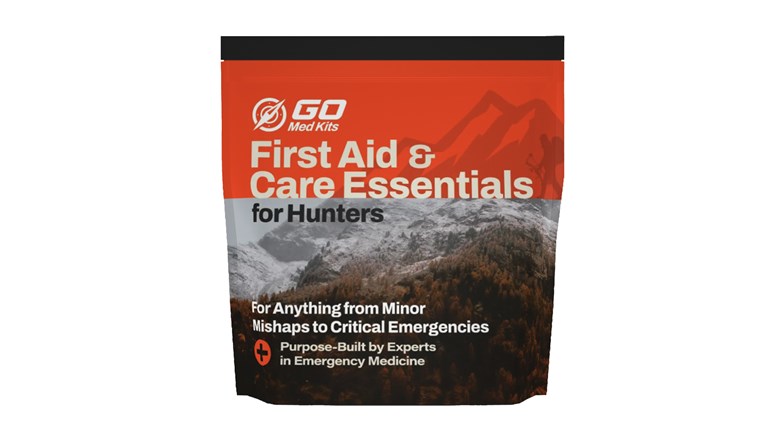
• Medical kit.
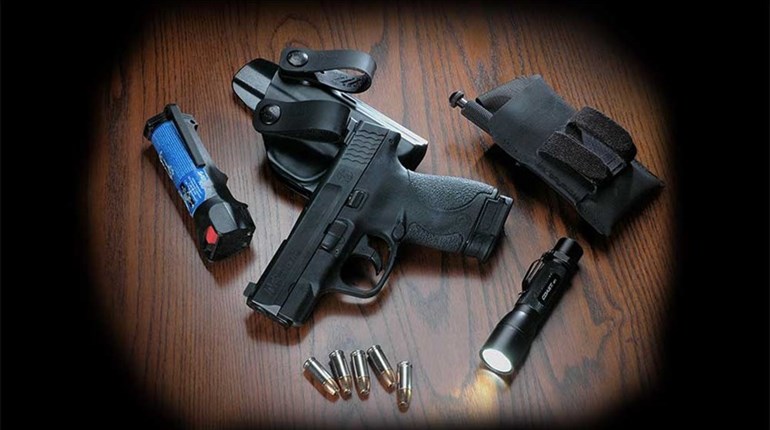
• Small LED light.
5. Don’t let a promise to a friend or loved one put you in danger. That sounds crazy but when you promise somebody that “I’m just going out for awhile, I’ll be home by dinner,” you’ll remember that promise and do everything you can to live up to it. Even if it means doing something ill-advised such as leaving your vehicle to set out on foot. So commit to breaking that promise and stay calm while you sit in your vehicle and wait to be rescued.
Survival isn’t just about knowledge and skills, though.
“You not only need the ability to survive, you must have the desire to stay alive, all alone and under adverse conditions until you are rescued,” Kummerfeldt said. “Survival is an attitude.”
For more survival information, visit OutdoorSafe.com.