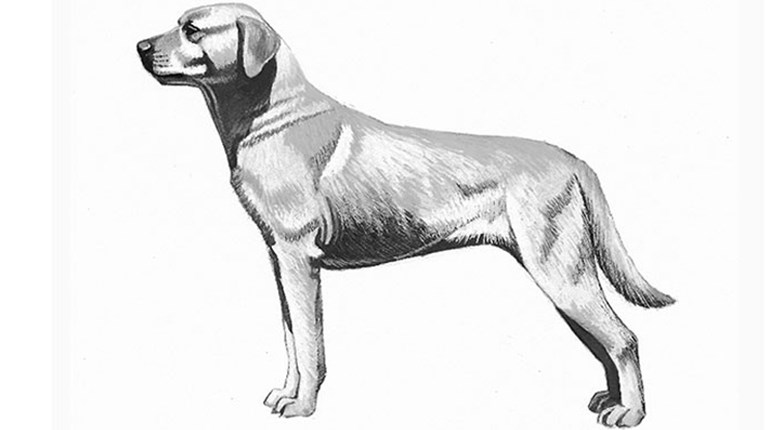
Certain dog breeds are more prone to ailments than others, but none are immune to genetic disorders. Bad hips, bad eyes, cancers—many sporting lines are effected. In decades past, little could be done aside from selectively breeding dogs that—to their owners' knowledge—didn't carry the undesirable traits. More recently genetic disorders could be screened for, one at a time (and at a heavy financial cost).
However, the full sequencing of the canine genome in 2006 has opened up a host of new preventatives. A prime example is the work being done by Paw Print Genetics (PPG). Last spring PPG researchers began offering breed-specific genetic "panels" that predict the odds a given dog will experience a variety of genetic disorders.
Why is this important? It gives breeders peace of mind in ensuring (and perhaps improving) the health of their lines. Puppy buyers can screen prior to purchase. And current dog owners are provided the percentage risk that their dogs will develop certain diseases.
To test your dog, go to the PPG website, scroll down to "Find a Test" and select your dog's breed. A genetic panel of diseases known to affect the breed then comes up. For instance, the Labrador retriever panel contains 12 screenings, including one of particular concern to hunters: exercise-induced collapse. If you don't want to buy all the screenings, you can remove them. Total panel cost for the Labrador is $350—about what a single screening used to run.
Then just use the cotton swabs provided by PPG to collect cells from the inside of your dog's cheek and return by mail. Dogs of any age can be tested. To test a puppy before it's weaned, just wait two hours after feeding to avoid inadvertently collecting its mother's DNA.
This is an important breakthrough that I hope will positively impact the lives of our animals.