Green Energy Backfires on Ducks and Upland Birds

by
posted on November 21, 2013
** When you buy products through the links on our site, we may earn a commission that supports NRA's mission to protect, preserve and defend the Second Amendment. **
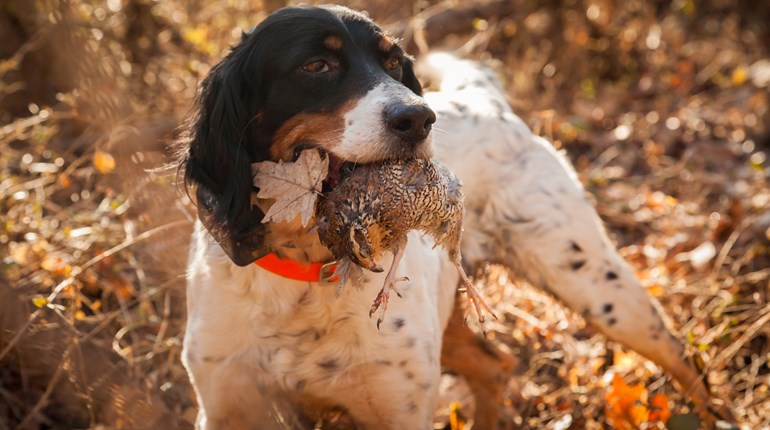
dogs_ah2015_fs.jpg (44)

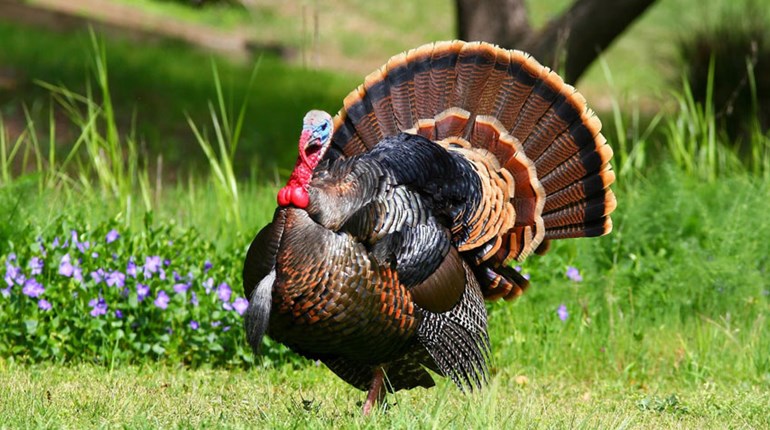
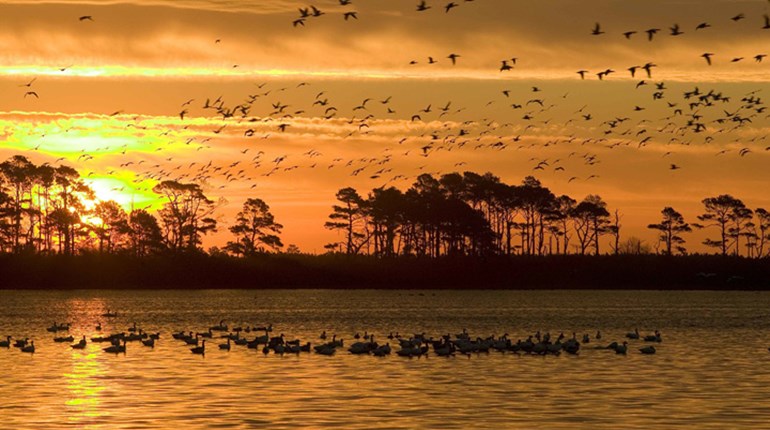
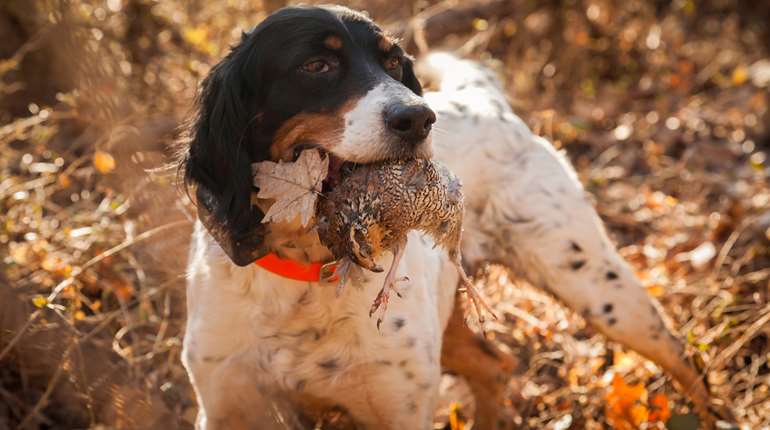
It seems the mainstream media is finally catching on to something that upland bird and waterfowl conservationists have been screaming about for years: Ethanol production is proving disastrous for prairie habitat.

According to calculations by the Associated Press (AP), 1.2 million acres of prairie grassland have already been destroyed by America's "green energy" policy, which requires oil companies to blend billions of gallons of corn ethanol into their gasoline. In fact, fuel—not food—was the top use of corn in 2011, 2012, and nearly 2013. That's driven corn prices sky high (they've more than doubled since Congress adopted the new policy in 2007) and led farmers to do the economically sensible thing: Dig up prime waterfowl and upland bird habitat in favor of planting corn.

“It’s not hard to do the math there as to what’s profitable to have,” South Dakota farmer Robert Malsam told the AP. “I think an ethanol plant is a farmer’s friend.”

The ethanol policy was adopted in the name of fighting global warming, but the farming practices used to generate ethanol may actually increase pollution. According to the AP: "... Plowing into untouched grassland releases carbon dioxide that has been naturally locked in the soil. It also increases erosion and requires farmers to use fertilizers and other industrial chemicals. In turn, that destroys native plants and wipes out wildlife habitats."

I would certainly categorize ethanol production among the gravest threats to prairie habitat and to the future of upland bird and waterfowl populations. If its proponents truly care about wildlife or soil and air quality, they'll fight alongside sportsmen to scrap it.

Latest

Colorado Flag
Colorado Flag

Colorado Voters Reject Right to Hunt and Fish Measure

On November 3, Colorado voters rejected Amendment 83, a proposed constitutional amendment that would have designated hunting and fishing as the preferred means of managing the state’s fish and wildlife populations. To pass, the amendment needed 55 percent of the vote or more. It fell about 10 percentage points short of that minimum.

The 8mm Mauser Family

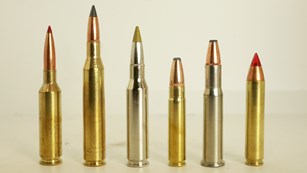
The 8x57mm, also known as the 8x57 JS, the 7.92x57mm Mauser or the 8mm Mauser, has been with us since 1888, and has directly—or indirectly—brought us a wide array of cartridges which we hold dear. Let's take a closer look at that array.

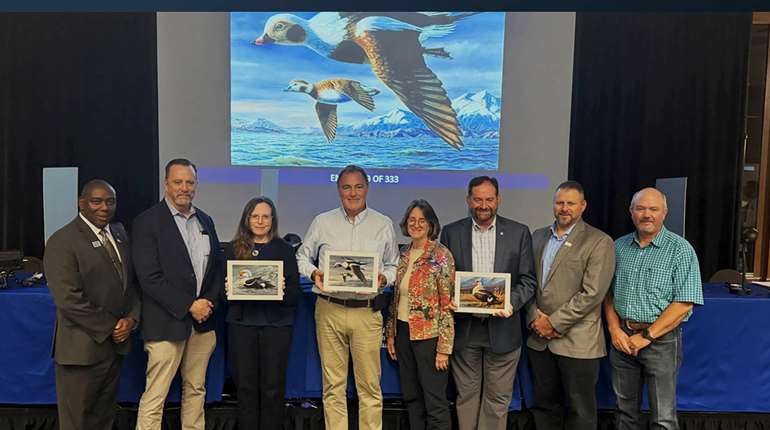
2026 Federal Duck Stamp Winner Announced: A Synergy of Art and Conservation

The U.S. Fish and Wildlife Service announced in late September that Robert Hautman of Delano, Minn., won the 2026 Federal Duck Stamp Art Contest with an acrylic painting of a long-tailed duck pair (seen above at the official ceremony).

5 Keys To Make This Your Best Upland Season Ever

Tired of walking long distances and coming home empty-handed? Here are five keys to help boost your bag of birds this year.

C&H Precision and MERUS Adventure Launch Guided Hunt Giveaway

Free entry runs through Nov. 13, 2026, and one winner and a guest will be heading to the Texas Panhandle for a fully guided hunt at MERUS Adventure—a private hunting and off-road park near Claude, Texas, outside Amarillo. The trip includes a fully guided hunt, range time with top-tier optics and gear, on-site lodging for the length of the stay and off-road driving across the property.

Things I’ve Learned About Public-Land Elk

Every generation has a story starting with, “I remember the good old days.” Elk hunters have a similar dialogue and although elk numbers are at some of their highest in modern history, public-land hunting still represents a sea of challenges. With decades of elk hunting in my rearview and an ongoing education, a few lessons I’ve learned from elk hunting may aid you in your public-land elk pursuits.

Interests


Get the best of American Hunter delivered to your inbox.