I spent Labor Day weekend cruising the cotton fields of the Arkansas Delta. It is one of my favorite times of year, marking the beginning of hunting season and so many fall adventures to come. It was raining and stormy most of the time, but we went out in the drizzle, got ourselves muddy and brought home enough doves to feed a regiment. By the end of it, there were more doves than any one person could consume.
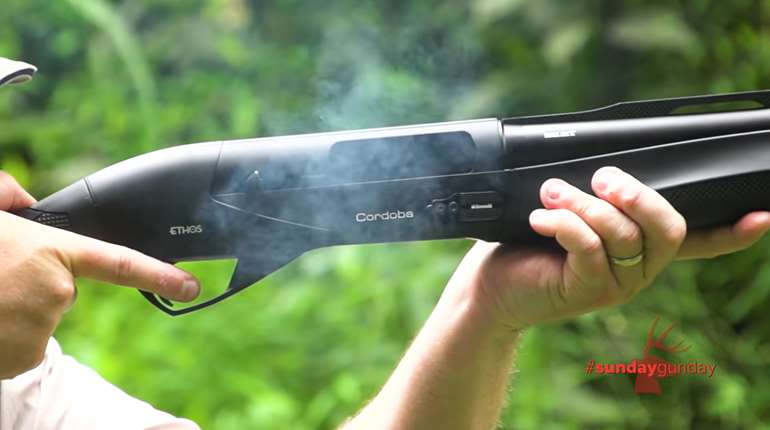
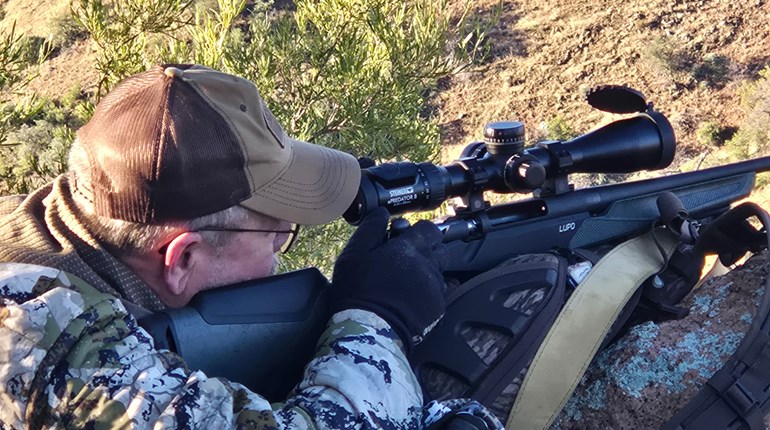
Dove hunting is shaped around their feeding patterns;doves will feed throughout the day, but concentrate in the morning at sunrise and in the late afternoon. I often go hunting twice per day at this time of year, satisfying a thirst after the eternal spring and summer drought. I enjoy watching the sun tear through the field, as doves start swooping in. They descend silently and swiftly toward the wheat that has been scattered by the farmers to sweeten the field. Killdeer weave in and out of the doves, and I try not to mix them up as I swing my shotgun and slap the trigger.
In Arkansas, a highway is like a buffet line for doves as they dip in and out of the vast farmland set along the Mississippi River. Mow in their most fertile state, the fields can also be a distraction for the doves, drawing them away and sometimes making the “sit and wait method” less successful. My farming friends often plant sunflowers, which helps bring the doves. Most of the time, it’s all about who’s offering them the best meal. But for most hunters, like my Arkansas friends, it is about the experience of the hunt itself—sitting and watching the sun rise with a dog and a cigar—not really the amount of game you take.
But inevitably you knock down a few—or, if you’re lucky, a lot of—birds, and that’s when the joy of preparing the meat for the plate happens. I’m a purist when it comes to dressing animals after the hunt. I like to use as many parts of the animal as I can, which means you’ll sometimes find me plucking feathers in order to use the whole bird. Even though there isn’t much meat on a dove beyond the breast, I have been known to pluck the leg from time to time to make a traditional stew the Italians in the Delta call “putach.”
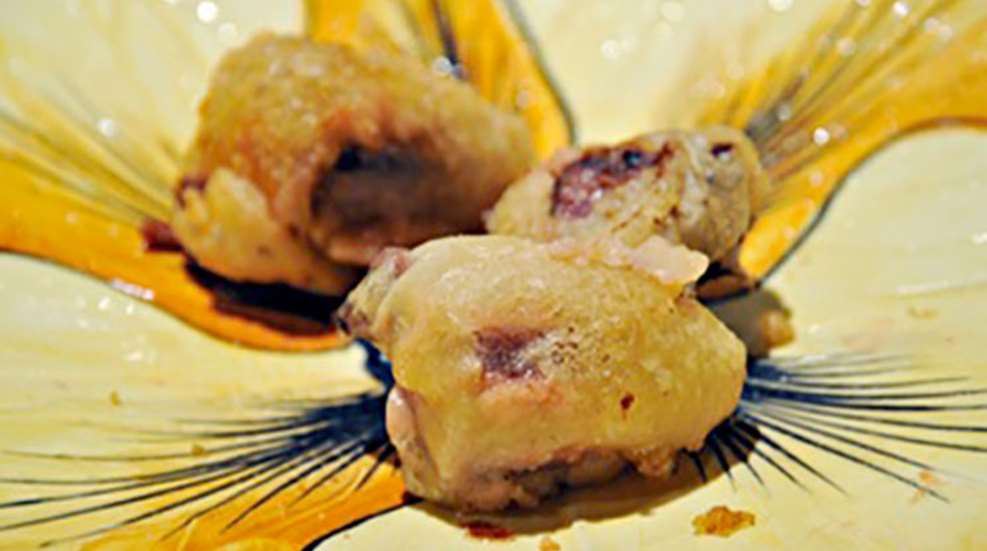
Doves are one of the easiest birds to pluck, so they can easily be kept whole. But if you simply like to breast your dove, this recipe for beer-battered, fried dove breast is simple and requires ingredients you likely have on hand after a dove hunt—birds and beer. The beer and baking powder give the dish a puffiness and a crunch. It is the perfect compliment to that rich liver flavor dove meat tends to have. Upon tasting it one person uttered, “This makes me want to learn to shoot better.” And even if you’re not heading to a dove field any time soon, this batter works really well with many other meats and even with vegetables. I recommend a sweet and sour or barbecue dipping sauce to go along with it, though it is also nice just as it is.
Beer-Battered Fried Dove Breast Ingredients
Serves 6-8
30 dove breasts, bone in
4 cups vegetable or grapeseed oil*
2 cups flour
1 tablespoon baking powder
1 teaspoon salt
1 can beer
Salt and pepper to taste
Directions
1. Rinse the dove breasts under cold water until the water runs clear.
2. Pat the dove breasts dry with paper towel and set aside on a plate.
3. In a medium-sized pot, wide enough to hold about eight dove breasts at a time, add the oil and begin heating it on medium heat. The wider your pot, the more vegetable oil you will need to completely submerge the dove breasts.
4. In a large bowl combine the flour, baking powder and salt. Slowly whisk in the beer until the liquid is uniform and the consistency of thick syrup.
5. Using your fingers or a fork, dip one breast into the batter until it is uniformly covered. Dip one side of the breast into the hot oil to see if it immediately sizzles. If it doesn’t, wait for the oil to get hotter. Keep testing with the same dove breast, then add more battered breasts, enough to cover the bottom of the pot.
6. Once one side of the breast is golden brown, turn it over and cook the other side until golden brown, about 5 to 7 minutes total.
7. Set a wire rack over a sheet tray. Remove the breasts from the pot with a slotted spoon and place them on the rack. Sprinkle them with salt and pepper to help retain the crispiness.
8. Repeat until all of the dove breasts are cooked, and serve immediately. Serve with sweet and sour dipping sauce or homemade barbecue sauce.