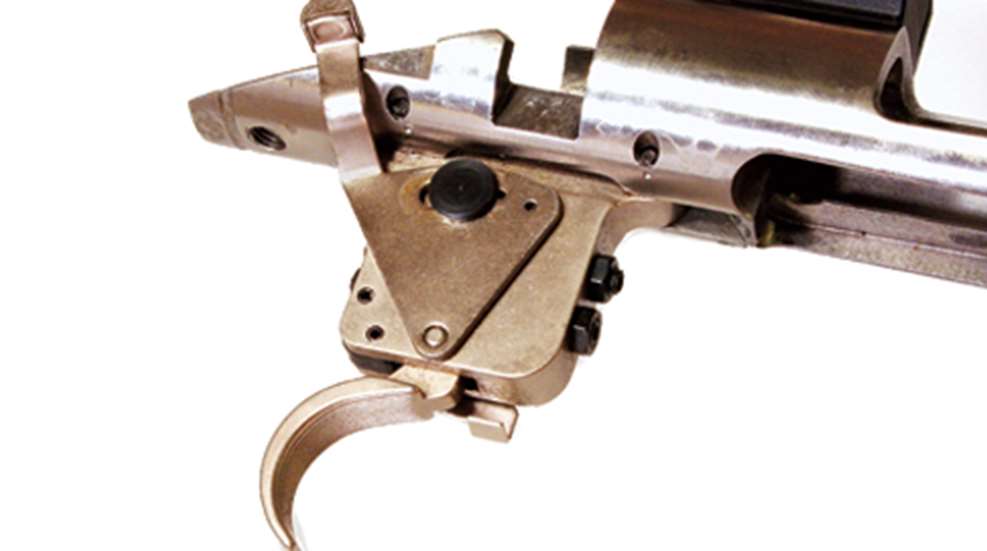
A good trigger does not make a rifle more accurate; it helps you and the rifle work together to be more accurate. There are three points of interaction between a rifle and a shooter: the stock, the sights and the trigger. All are important but the trigger may be more so because it's the go switch. It's also the one you can upgrade easily and for the least amount of money.
Timney manufactures replacement triggers, springs or sear kits for most modern rifles on the market, and even classic bolt-actions like Enfields, Mausers and Springfields. They also offer drop-in triggers for ARs and Ruger 10-22s. Prices range from $25 for a Browning A-Bolt spring kit to $250 for a top-end, skeletonized AR 15 trigger. New for 2010 is a trigger fix for Remington's 870 shotgun.
I've installed many Timney triggers and in most cases the process takes less than 30 minutes. With very few exceptions, none require what I would call gunsmith work, but in a few cases some additional inletting of the stock around the new trigger might be required. The Timney trigger for the Remington 700 is representative of a typical Timney installation process: First the factory trigger is removed by driving out two pins. Then the new trigger is installed with the same two pins. If you select the model with the safety, the pins are essentially all there is to it. You'll need a screwdriver to remove the rifle action from the stock and a hammer and punch to work the pins.
Like most Timney triggers, their Remington 700 trigger is adjustable. This is accomplished by turning two screws, allowing you to set over-travel to your liking and to lock in a consistent pull weight anywhere between 1.5 to 4 pounds. If you order direct from Timney's online store, the company will set the pull weight for you.
Are Timney drop-in triggers a better option than a gunsmith-tuned factory trigger? I think so. I've seen some "worked" triggers that were unsafe, and the cost of a trigger job and a Timney replacement trigger are similar. Many gunsmiths even recommend Timney triggers, and many custom guns like those from Nosler come standard with them.
Are they worth the money? That depends on you. Timney has been in business since 1946 because good triggers help humans shoot better. If you can shoot your rifle as good as you need or want, don't bother with a Timney. And, some rifles have pretty darn good triggers right out of the box. The Savage Accu-Trigger and Remington X-Mark Pro Adjustable triggers are fine factory triggers and are proof this is what consumers want.
On the other hand, if you have a trigger with creep, one with a lot of over-travel or an excessive pull weight-over 5 pounds-a Timney might be the easy fix your rifle needs. New shooters or those who seldom practice will likely benefit the most from a Timney trigger. Experienced shooters can manage bad triggers from a bench but will struggle like everyone else when shooting offhand.
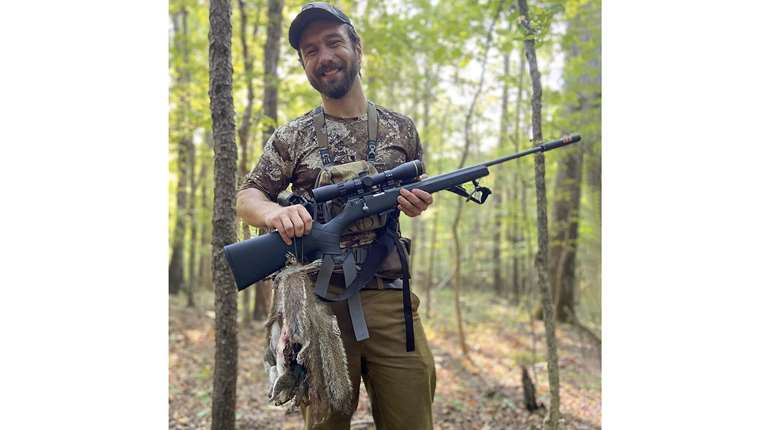
And, because shooter/rifle interaction is so much more critical from field shooting positions while hunting, this is likely where you'll realize the most benefit from a clean and consistent trigger.
My 9-year-old son uses an AR for deer and a Ruger 10/22 for squirrels and fun. Timney triggers cut his groups dramatically. I test a lot of rifles, and when appropriate he helps, partly because I like to report on how youth-friendly rifles are, and partly because he enjoys shooting and helping Dad. Often, before he ever touches the rifle, one of his first questions is: "Does this rifle have a Timney in it?" If a 9-year-old can appreciate the difference, I would imagine most adults can, too. It's a difference you can feel. (866-484-6639; www.timneytriggers.com)