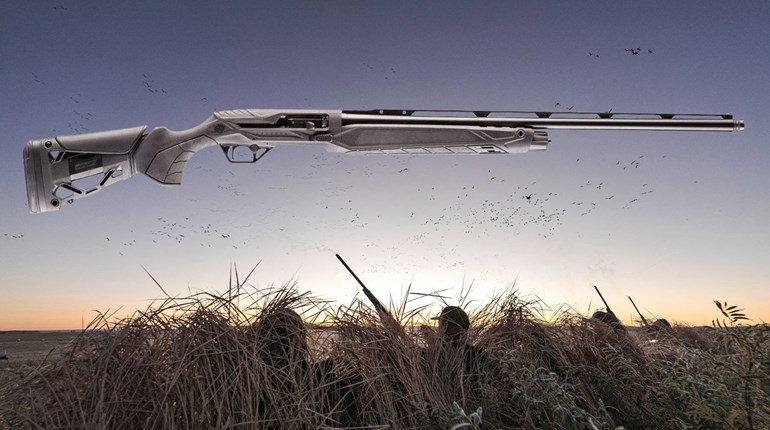
Waterfowl hunting can be an expensive pursuit. Some hunters have hundreds of decoys and even trailers to haul all their gear to and from their hunting locations, but not everyone has that kind of budget or time to maintain that much equipment. The good news is that with a little creative thinking, some scouting and just a little bit of cash, anyone can have some good waterfowl hunting.
Location
The areas that are hunted often determine the success of the hunt. Not everyone can lease hundreds of acres of farmland or flooded crop fields. However, anyone can look at a map and find swamps, sloughs, farm ponds and small fields that might not draw hundreds of waterfowl, but given their proximity to a nearby waterway or loafing area, do have fly overs and smaller groups of ducks or geese that can be convinced to come down for a closer look. The trick is to scout and look at a map and then scout some more. Larger waters are often good loafing areas and although locations for a blind along the larger waters may be already taken, the creeks, sloughs, swamps, farm ponds and even small fields adjacent to the bigger water are often overlooked by hunters.
Use your maps, put boots on the ground, run your boat into the tributaries and look around. When the birds get pressured on the larger waters, they find safety and peace on the small waters and feed in smaller fields at times. Have a few such areas picked out and permission granted for them to be hunted, so if one is not producing you can pivot to the next one. I rarely bother with larger waterways no matter how many ducks will be using them because so many of those spots are taken and the pressure is high on the flocks anyway. If you see birds flying as you are scouting, try to determine where they are headed or the line of travel and consult your map and see what little potholes, swamps or ponds they may be roosting on and adjust your strategy accordingly. If you can find a parcel to hunt under that line of travel you will be in business!
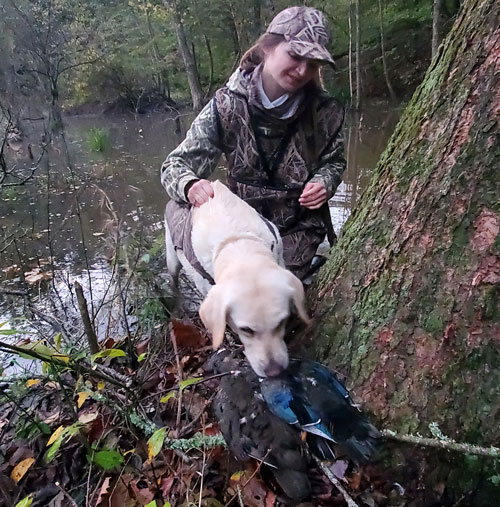
Getting permission can be tough, but it has been my experience that some of these small waters are swamps and sloughs and often unless the landowner is a waterfowl enthusiast, such areas are often not thought of. Additionally, many deer hunters ask permission to hunt from landowners, but if you make it clear up front that you are only interested in a set area of the property solely for duck hunting, working your well-behaved retriever and taking your kid with you, the odds increase you may get permission to hunt.
Don’t overlook military bases as many of these have water impoundments on them, and after deer season there is very little hunting pressure.
Gear for Small Waters
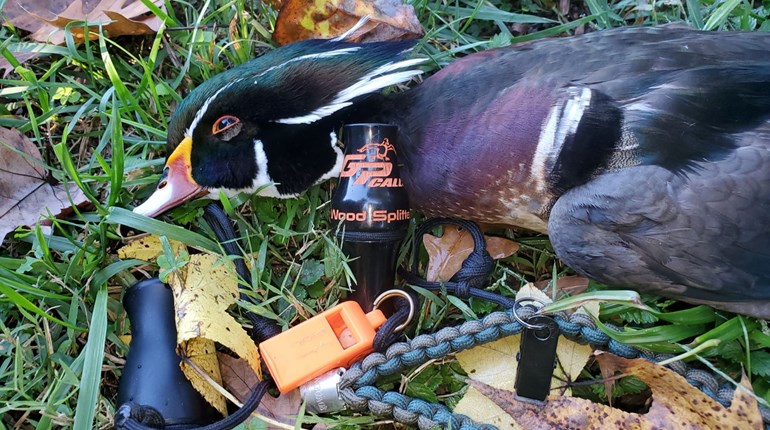
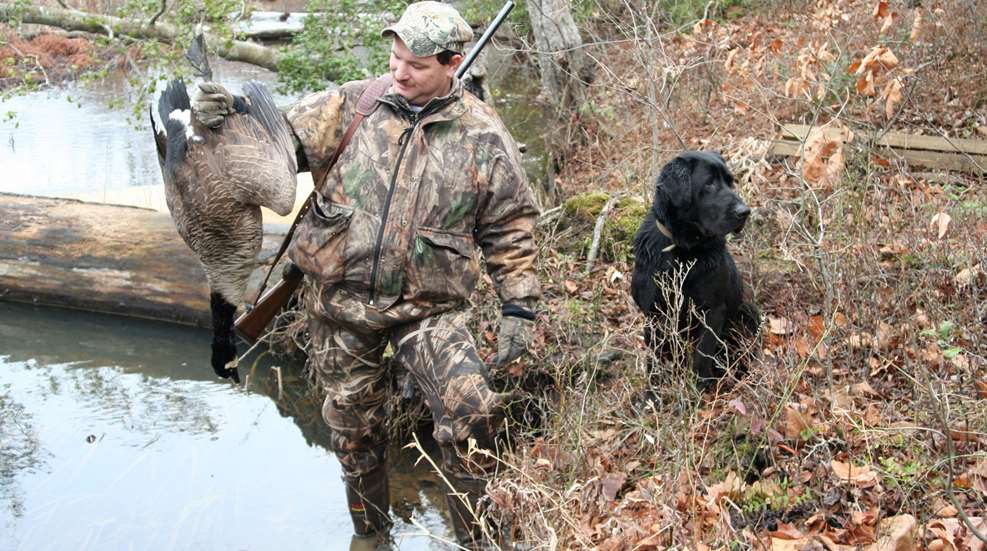
What do you need to hunt the small waters? A half-dozen decoys, possibly waders if you do not have a good retriever, one duck call, one goose call, possibly a motion decoy and your shotgun and shells will do the job.
When hunting smaller waters, a large number of decoys is not necessary. A half-dozen decoys is probably plenty. I like to add in a motion decoy when possible, and something as simple as a quiver decoy to make the other standard decoys shift is great. The setup only needs to look like things are moving around and lifelike to seal the deal. If your small water has highflyers and you need to draw them down, the motion decoys that have spinning wings will flash and get those highflyers to look again, which is what you want.
All-Day Hunting?
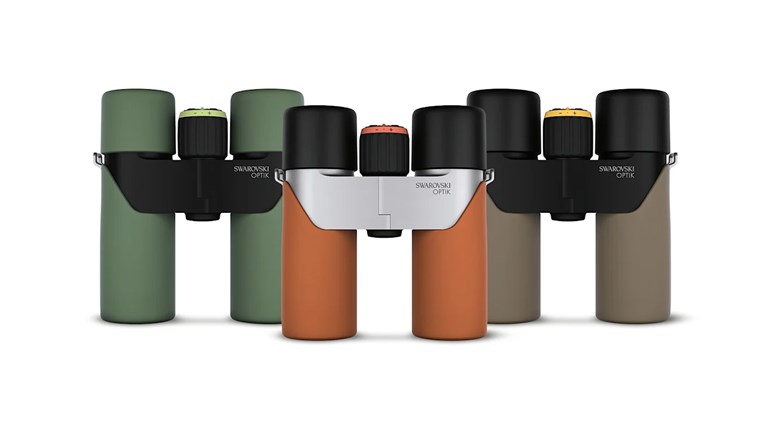
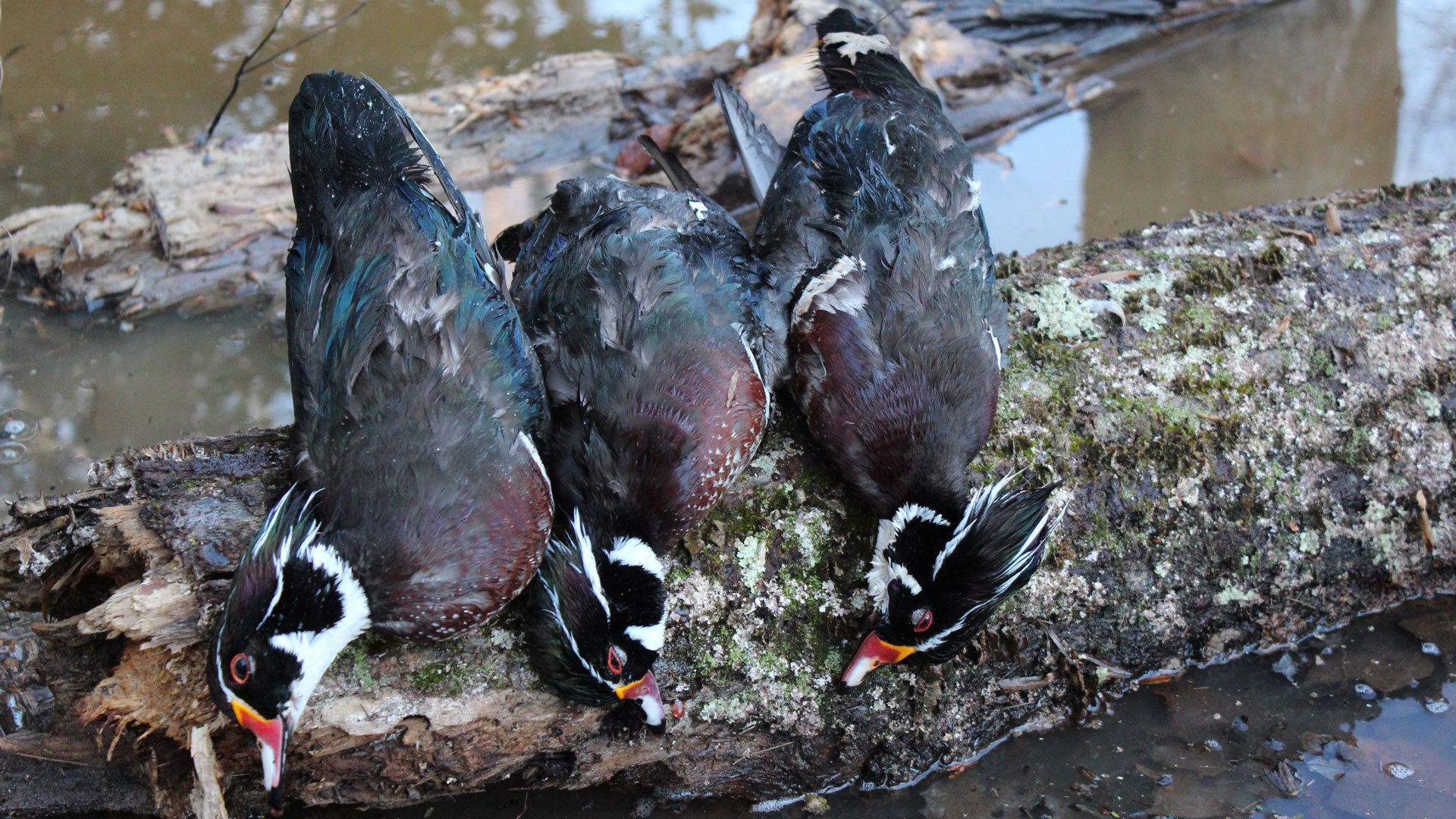
Yes. If you find a series of smaller waters that can be accessed in a reasonable area of travel, sneaking up and jump shooting ducks or geese on these small waters is feasible all day long as waterfowl will go loaf on the water during the day and feed in the AM and PM before heading back to roost. My first foray into waterfowl hunting was hiking from one swamp to another, studying the area with binoculars from the edges and making a plan to stalk to within shooting range of ducks on the water. A word of caution for hunters employing this tactic: ducks are very wary on smaller waters if they have been shot at. Take your time and use your binoculars and study the water for several minutes. I like to look for ripples that give away movement on the water. Make your approach through thickets for cover and stop often to avoid alerting the waterfowl
Jump Shooting
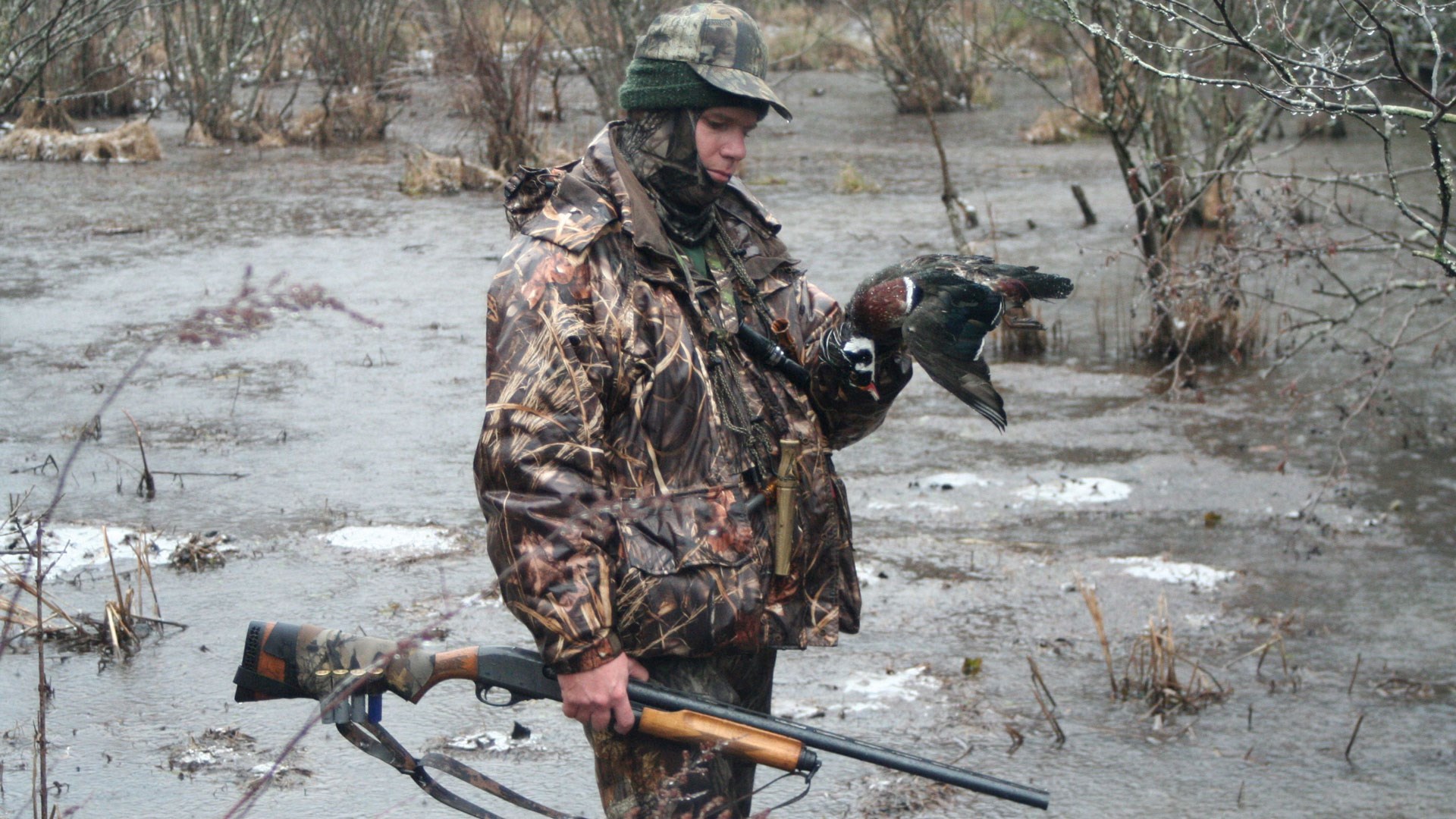
Some areas allow jump shooting from boats or canoes, and with proper precaution and a quick study of the rules to determine any buffer zones that need to be adhered to with regard to property or established blinds, hunters can float down rivers and creeks and drift right up on waterfowl and never buy one decoy or even use their waterfowl calls. Wear your Personal Flotation Device (PFD) and keep a dry set of clothes and a lighter, etc. in a drybag. Check local water conditions before launching and let family know where you are going and when you expect to be back. If hunting with a buddy, take turns paddling and shooting.
Repurposed Gear
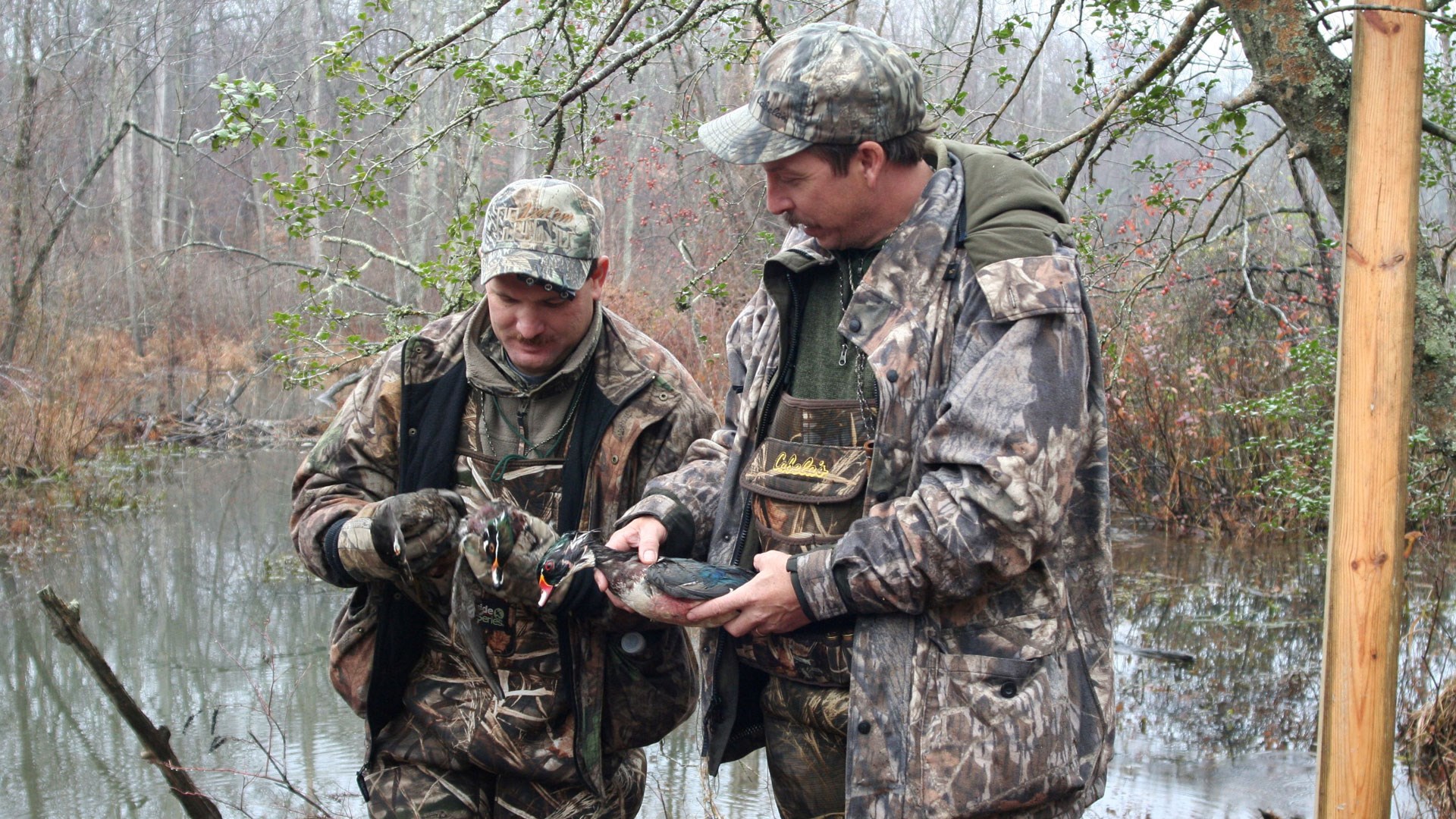
If your budget is tight, it may be a good idea to go online to places like Craigslist, Facebook Marketplace or hunting forums to see what gear can be picked from there. While it will be used, decoys can be repainted if necessary. Sometimes people get out of waterfowl hunting, upgrade their gear a bit or downsize due to life’s various circumstances. While gear can be found any time, the best time to find such gear is the end of the season or early spring when people are cleaning up their homes and garages and sheds. I once got a nice little Jon boat with oars, a battery, trolling motor and life jackets for $300 and the boat was in pristine condition!
So, with what’s left of this season, or next season as the ducks start migrating from the frozen areas to our north, give waterfowl hunting a try. You do not need a lot of gear or money to get started, and your success rate can rival those with access to pit blinds and thousand-acre leases too! Stay warm and be safe while afield.
Most Popular