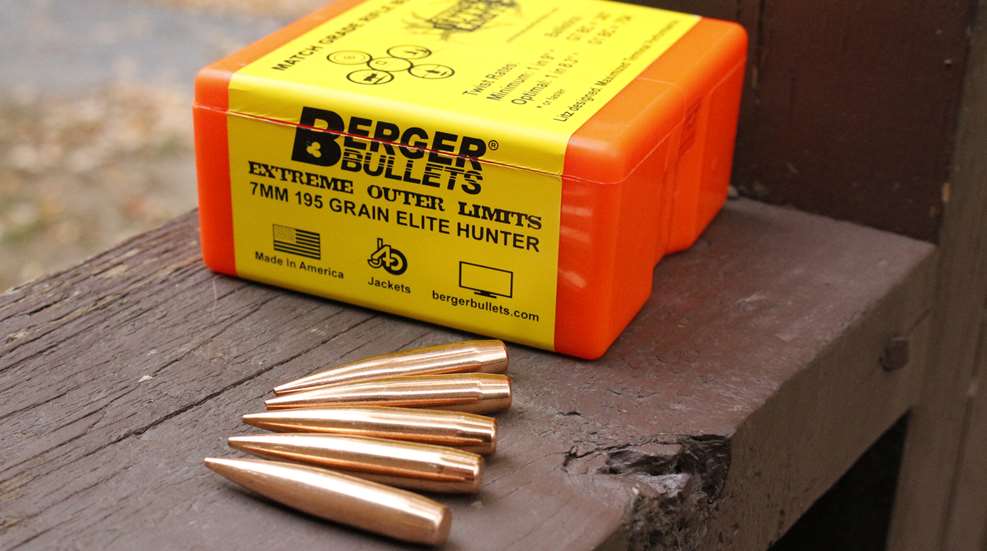
Wandering through the bottom of impossibly steep canyons of the mountainsides of the Hawaiian island of Molokai, my guide pulled up faster than a pointer sniffing wet feathers. “Don’t move; there are deer coming down that sidehill.” And as advertised, we watched a group of deer come down into the bottom, with a mature doe standing broadside at 250 yards. The crosshairs of the Leupold scope settled on her shoulder; I broke the trigger, sending a 165-grain Nosler AccuBond from the 27 Nosler cartridge into the vital organs. That doe fell out of the riflescope.
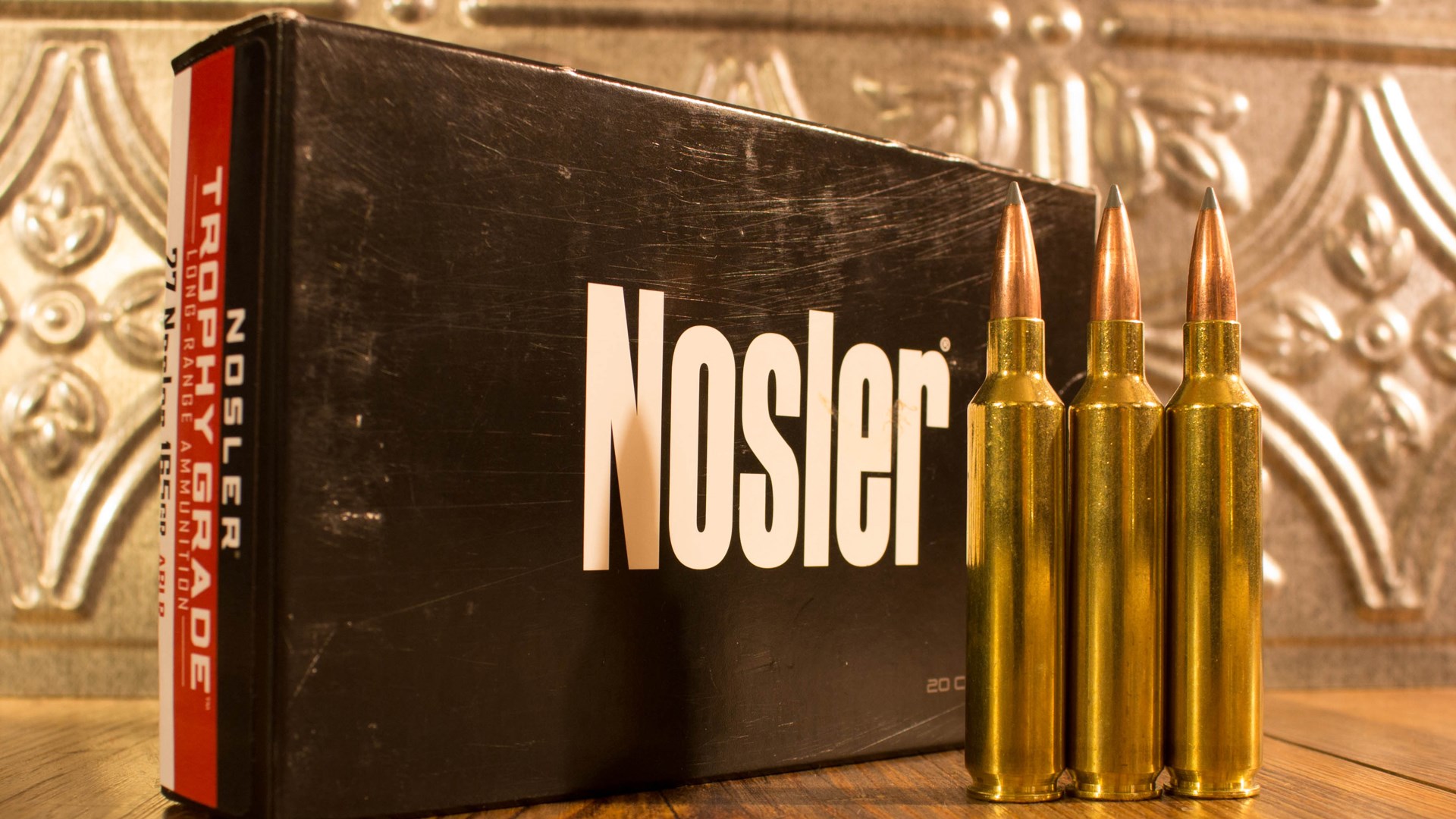 The 27 Nosler is one of the modern cartridges which use a faster-than-normal twist rate, making good use of a 165-grain .277-diameter AccuBond bullet.
The 27 Nosler is but one of the more modern cartridges which employ a fast twist rate in order to properly stabilize those bullets we consider heavier-than-normal, giving a ballistic advantage over the standard cartridges we are used to. In the cartridge world, there is an accepted “normal” performance level, which we have become more than accustomed to, and deviation from those norms can be unnerving to those set in their ways. I can only imagine that, at the turn of the 20th century, those well-versed in the ballistics of the black powder cartridges would look at all these ‘new-fangled’ smokeless powder cartridges—what with their rimless designs—and wrinkle their noses. “We don’t need any of that nonsense; our cartridges work just fine.”
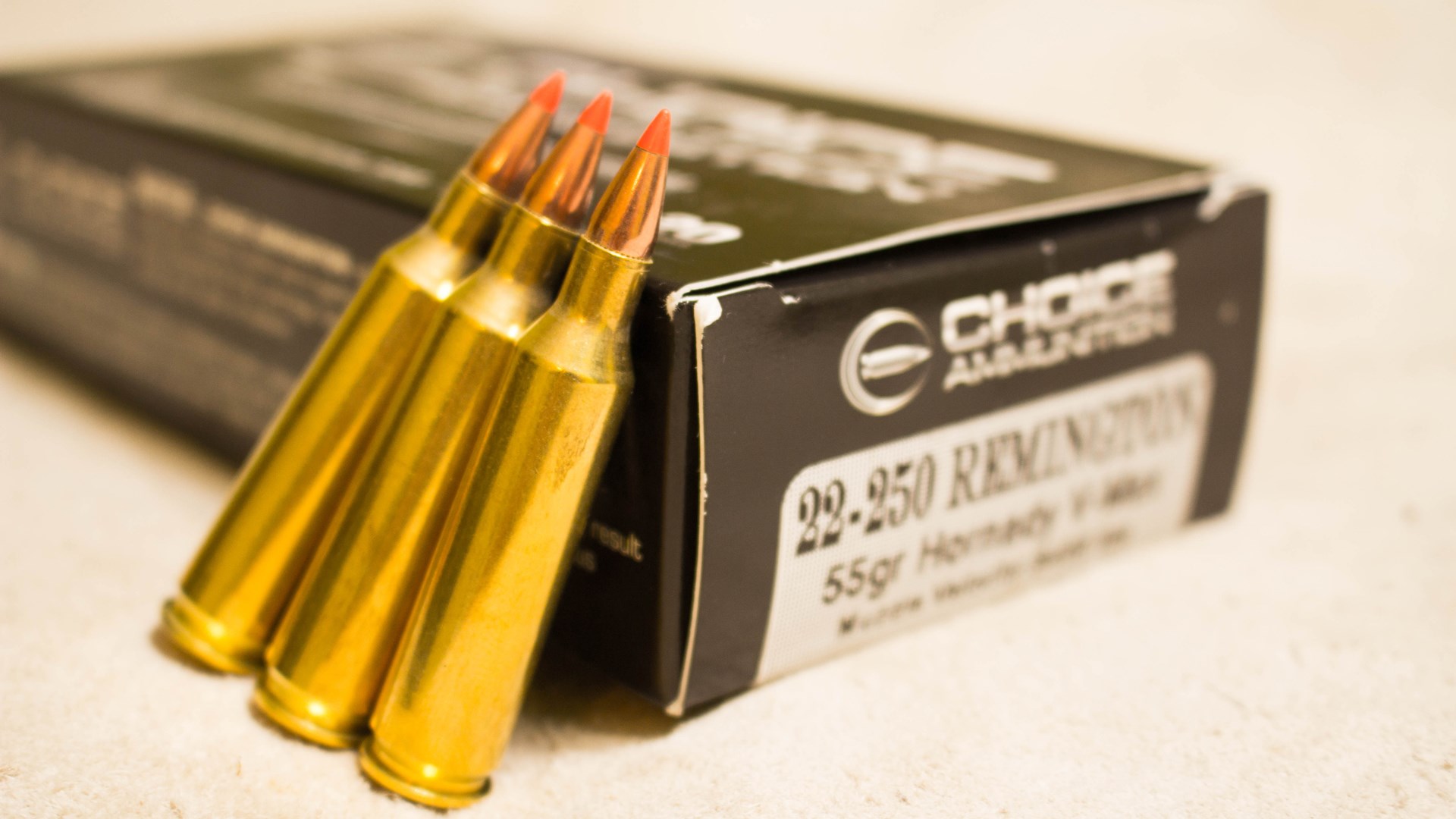 The author loves the .22-250 Remington, but realizes the 1:12 twist barrel limits projectiles to the 55-grain weight.
Despite the complaints from the masses, many of the modern cartridges are very effective. If you look at what makes them tick, you will probably come to the conclusion that there is wisdom here. In my youth, I couldn’t understand why the .22-250 Remington’s bullet weights generally top off at 55 grains, while the smaller .223 Remington went to the 69-grain bullet and more. Nor did it make sense that the .270 Winchester topped out at 150 grains in most factory loads, while the 7x57mm Mauser—just 0.007 inches bigger in diameter—could use bullets weighing 175 grains. And to top it all off, my father diligently explained that his beloved .308 Winchester couldn’t handle the heavy 220-grain slugs, but the .30-06 Springfield and .300 Winchester Magnum could. So it’s the case capacity? No, the .22-250 and .270 Winchester have a larger case capacity than the .223 Remington and 7x57, respectively, so what’s the answer?
The issue is the twist rate of the barrel, as each twist rate has a limit of how heavy a bullet it is capable of stabilizing. If the bullet is too long (also read too heavy, depending on conformation) it will come out of gyroscopic stability, and you’ll see a sideways imprint on the target, known as “keyholing”. So, the .22-250 Remington and its 1:12 twist rate can’t stabilize the heavier bullets that the .223 Remington, with its 1:7 or 1:8 twist, can—despite the much larger case capacity. Same situation with the .270 Winchester and 7x57 Mauser: the former uses a 1:10 twist barrel, and the latter a 1:8.66 twist. And the .308 Winchester had been introduced with a 1:12 twist, unlike the 1:10 common to the larger cases like the Springfield, and thus the 220-grain slugs don’t work so well. Interestingly, you’ll find a 1:12 twist on many of the early German-made .300 Weatherby Magnum rifles, precluding the use of bullets much heavier than 180 grains.
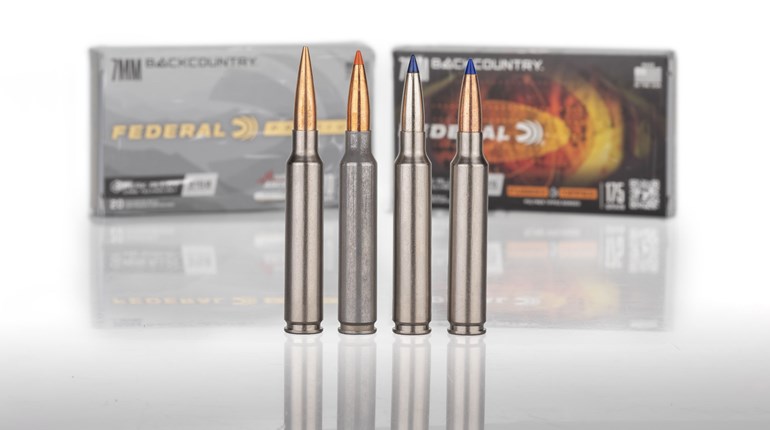
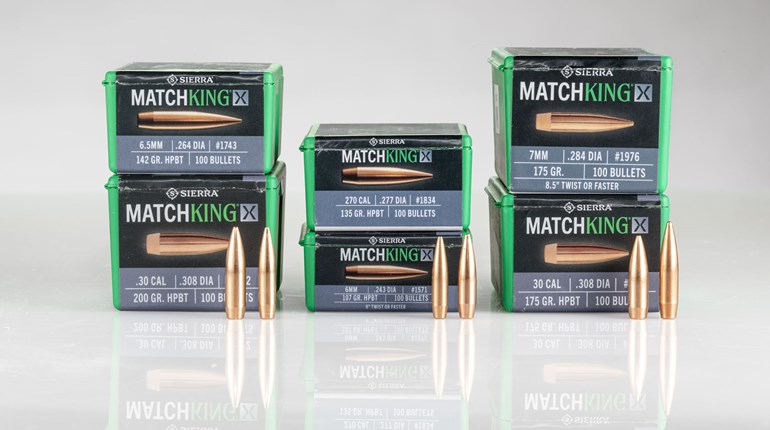
Many of the modern cartridges are offering projectiles that are heavier for their caliber than we are used to, primarily in an effort to obtain the highest Ballistic Coefficient possible. The higher B.C. values of the heavier bullets also give the benefit of a higher Sectional Density; this often leads to better penetrative qualities. The 6.8 Western—the third Winchester cartridge of .277-caliber—uses a 1:8 twist in Winchester guns, and a 1:7.5 twist in Browning rifles to use the heavier 165- and 175-grain bullets in that bore diameter. The aforementioned 27 Nosler sees a 1:8.5 twist for the 165-grain bullets, so there are now two choices for those who want to use heavy .27-caliber bullets for big game.
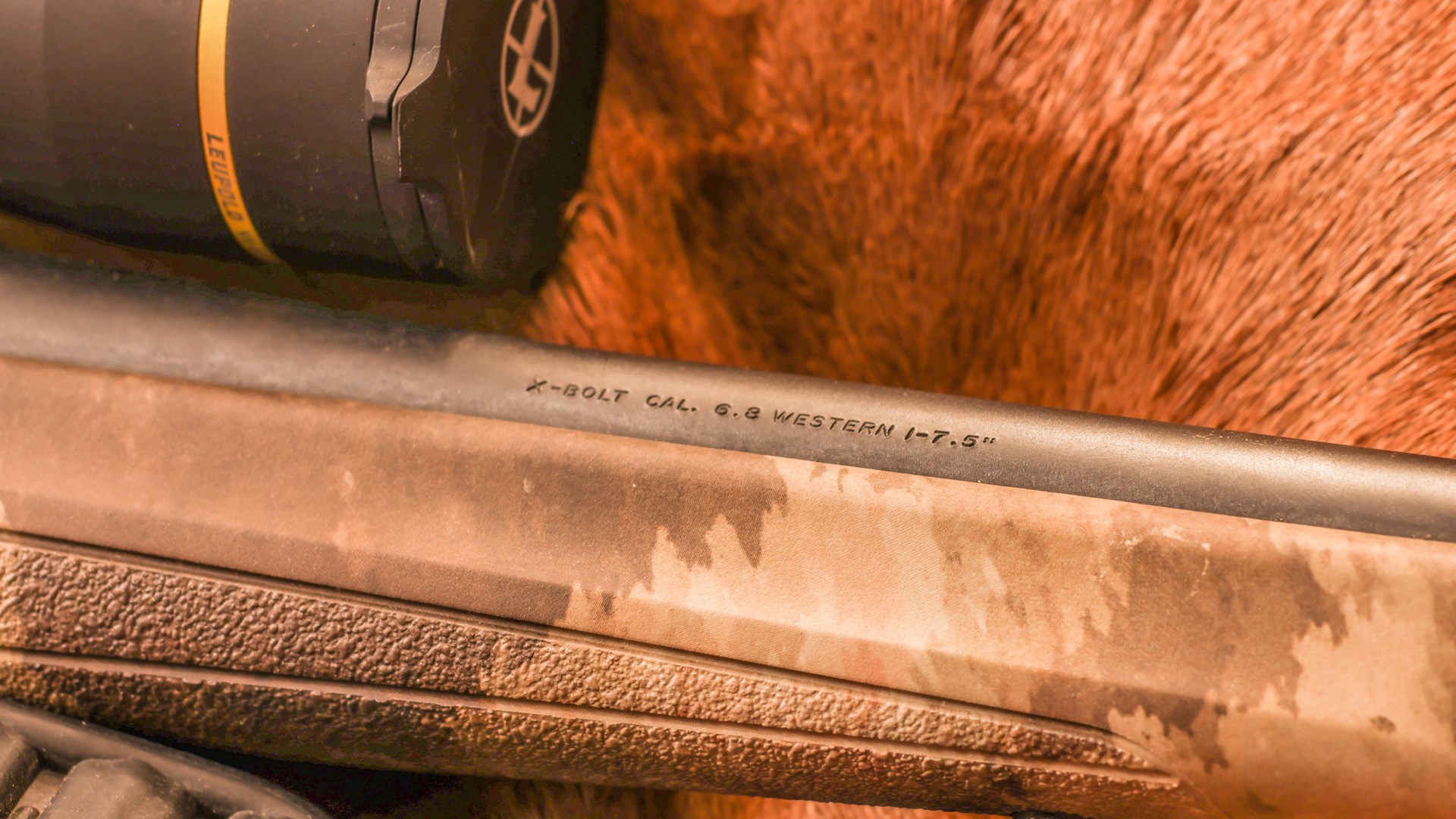 Massaro’s Browning X-Bolt 6.8 Western has a 1:7.5 twist rate, facilitating the use of the 175-grain Sierra Tipped GameKing bullets.
Now, before you shake your fist in the air, proclaiming loudly that your .270 Winchester works just fine and these young kids have no respect, realize that no one is forcing you to abandon your old rifle/cartridge combination. Rest assured, the classic cartridges aren’t going anywhere, and if you feel the new developments offer no advantage for your hunting style or situation, you don’t have to buy them. If you feel a 150-grain bullet in the .270 Winchester checks all the boxes, you have what you need. But I like the idea of being able to use all of the projectiles available for the timeless .270 Winchester, plus the 165-, 170- and 175-grain bullets available for the 6.8 Western, giving me a ballistic performance nearly matching that of the .300 Winchester with 180-grain bullets, with significantly less recoil.
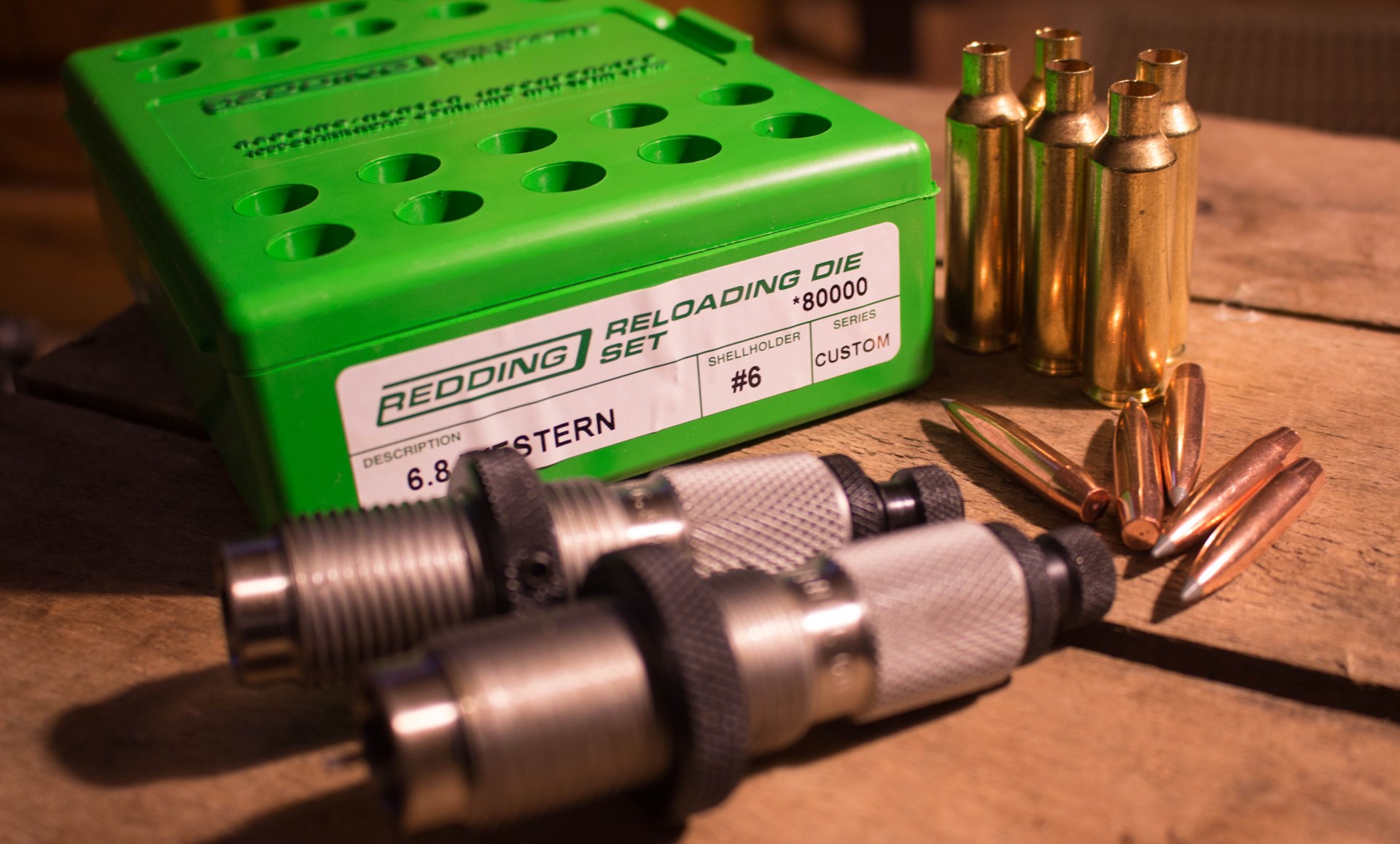 The Winchester/Browning 6.8 Western is one of the modern cartridges which rely on a faster twist rate to stabilize longer, heavier bullets in a given bore diameter.
The early appeal of the 6.5mm cartridges—long before the word Creedmoor passed the snarled lips of many shooters—was their ability to launch those longer, heavier bullets which retained their downrange energy so well. In fact, the Creedmoor’s reputation is based upon that very principal, and its huge appeal is due to the moderate recoil couple with the ability to give 1,000-yard performance that even the venerated .308 Winchester cannot match. With the interest in long-range shooting growing every year, along with the opportunities for weekend competitions, or simple recreational long range shooting, it isn’t any wonder that a series of cartridges built around a faster twist rate have been developed. The 22, 6mm, and 25 Creedmoor; the 27 Nosler; the 7mm PRC; the 25 Weatherby RPM; all employ barrels with a tighter twist and offer a heavier bullet weight, and many hunters are quite happy with the performance.
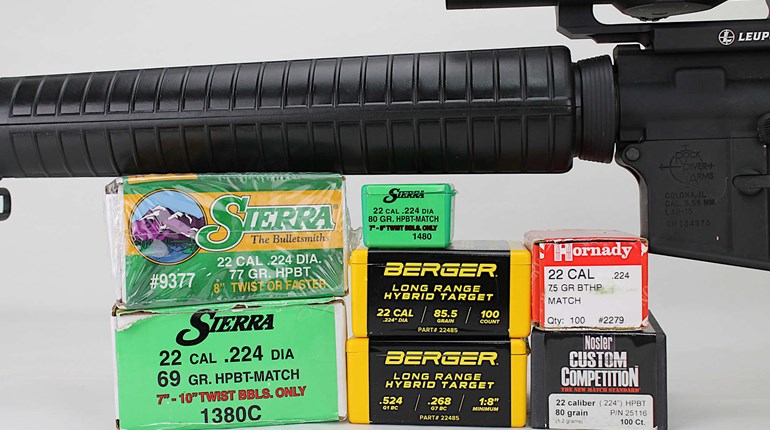
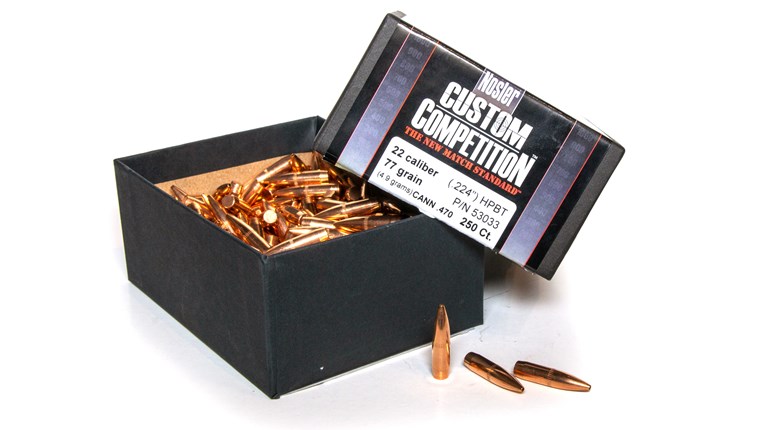
But wait, why can’t I simply use a classic cartridge with a different twist barrel to be able to use the heavier bullets? In many instances, you can. I've often thought of re-barreling my .22-250 to use a 1:7 or 1:8 twist to give me the option of using the heavy .22-caliber bullets, but here in my native Upstate New York I don’t have the opportunity for many shots outside of 250 yards, and the 55-grain bullets handle those fine for me. I don’t rely on that cartridge for deer hunting—as the bear season coincides with our deer season—but if I did, that re-barrel might make more sense for me. If you want the ability to use some of the heavier copper monometal projectiles (they can, at times, require a faster-than-normal twist rate) maybe a new barrel is the way to go. If you want that classic cartridge/heavier bullet experience, please be aware that handloaded ammunition might be the only means of obtaining that combination; most factory loads are going to be made to function in almost all rifles.
As to whether or not you need the additional Ballistic Coefficient/Sectional Density, that is a personal decision. Some folks find their self-imposed range limit works perfectly with the existing cartridge/bullet options. Others enjoy owning the newest/biggest/baddest thing on the market. Remember, at one time that classic .270 Winchester was a new-fangled development, and that young upstart named Jack took a shine to it. Me? I like to experience as much as possible, and have been blessed with a number of opportunities to experiment with the new developments. Some I love, some I haven’t really cared for, but I will say this: a good number of these cartridges which employ the faster twist rates have proved their worth to me, both at the range and in the hunting field. Do we have a whole bunch of cartridge overlap? You bet we do. I think nature will sort things out, with those designs that offer a real advantage to hunters sticking around, while those that are marginal will fade into obscurity.