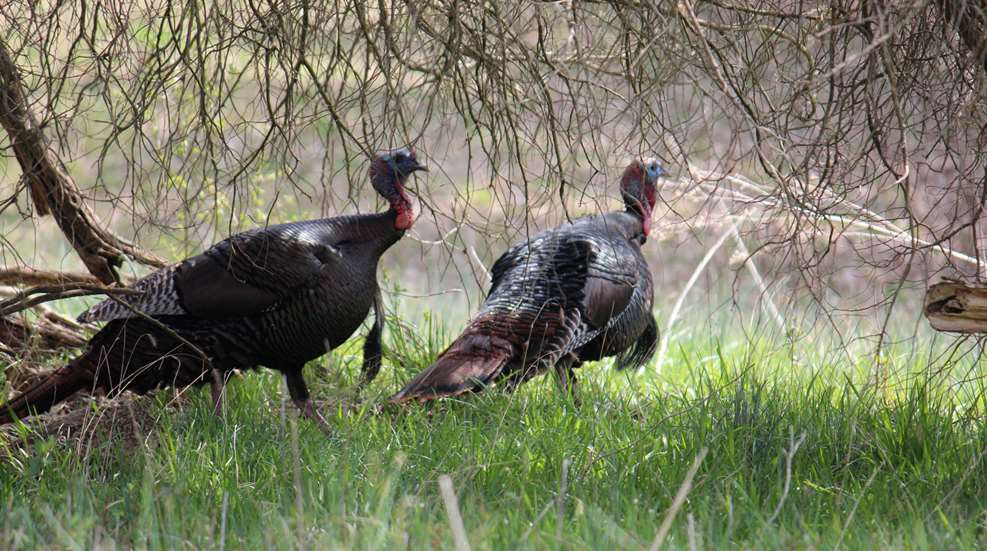
With spring gobbler season rapidly approaching, many of us are getting the itch to get afield. Retailer catalogs showing up with turkey gear on sale only encourages that desire. Out in the wild, the gobblers are already starting to get a bit territorial and some have even started gobbling due to the increased amount of daylight. Take advantage of the few weeks we have left until the season opens by finding a few places that gobblers are using and mark them on your app or map for later.
Digital Scouting
Nothing beats boots on the ground, but on a rainy day it would be worthwhile to go online or on a hunting app to look for large blocks of land with open agricultural areas or even small blocks of land with open areas. Do not overlook the small parcels, particularly if permission to hunt on several connecting or nearby parcels can be obtained. Open areas near agriculture or hardwood lots are going to be the best places to look at first.
Take a Drive
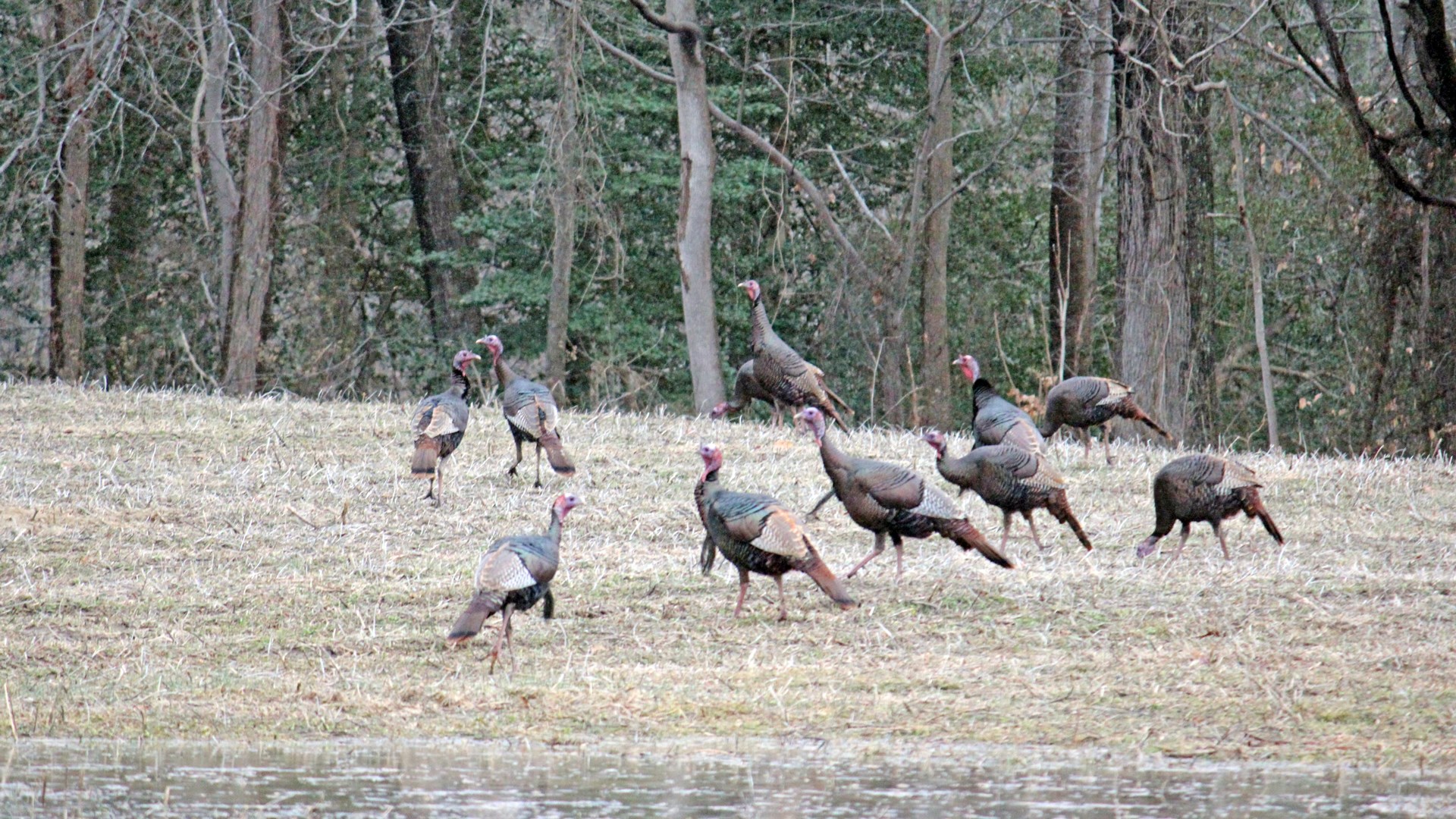
Spring gobblers love to strut and hold court in open areas, particularly on rainy or windy days where they can see a long distance. Many of my turkey hunting places have been found by taking a drive. The sooner you take that drive; the sooner you will find the birds and possibly beat someone else to the chance to ask permission to hunt. Look at the places you find digitally first but focus on back roads and roads traveled infrequently for the best results. Not only will you have less competition for hunting permission, but you will see much more this way.
Farm Access
If you are fortunate enough to be friends with or know a farmer well, it may pay to ask now for permission and then if the farmer permits ATV or UTV use, do some scouting and look from afar using binoculars in fields not viewable from roads. Often back fields or open areas away from the road or residences is where turkeys will be found. Head out mid-morning for this task after you had your coffee and the birds have jumped off the roost and gathered after a morning feed. Use online apps such as OnX or Huntstand to search for open areas. If using an ATV or UTV is out of the question, pull on your boots and get busy hiking. Remember, farmers are extremely busy people in the late winter and early spring, so time your pitch wisely and respect their time. Don’t tear up the fields or roads on property and shut gates.
What to Look For
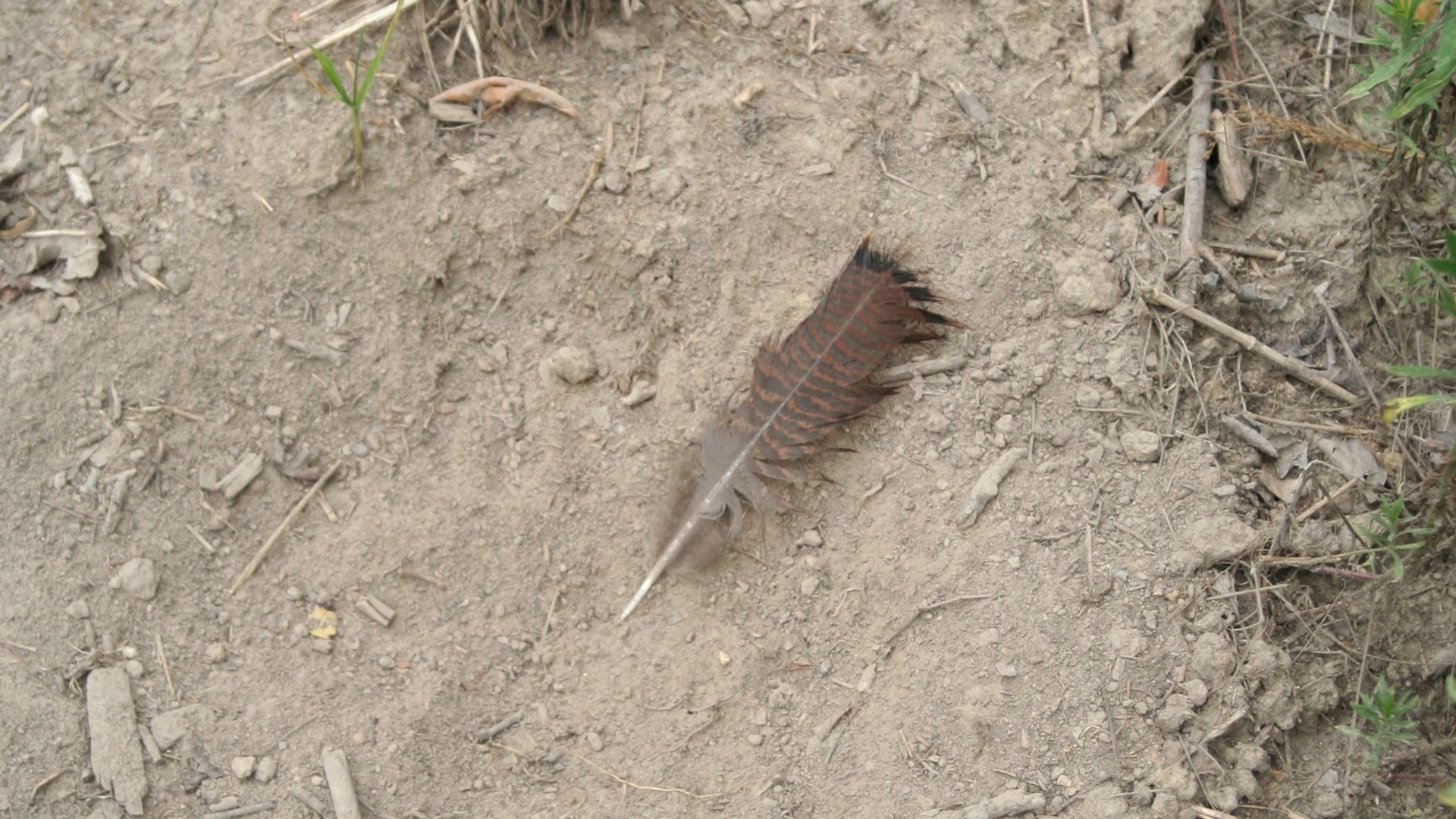
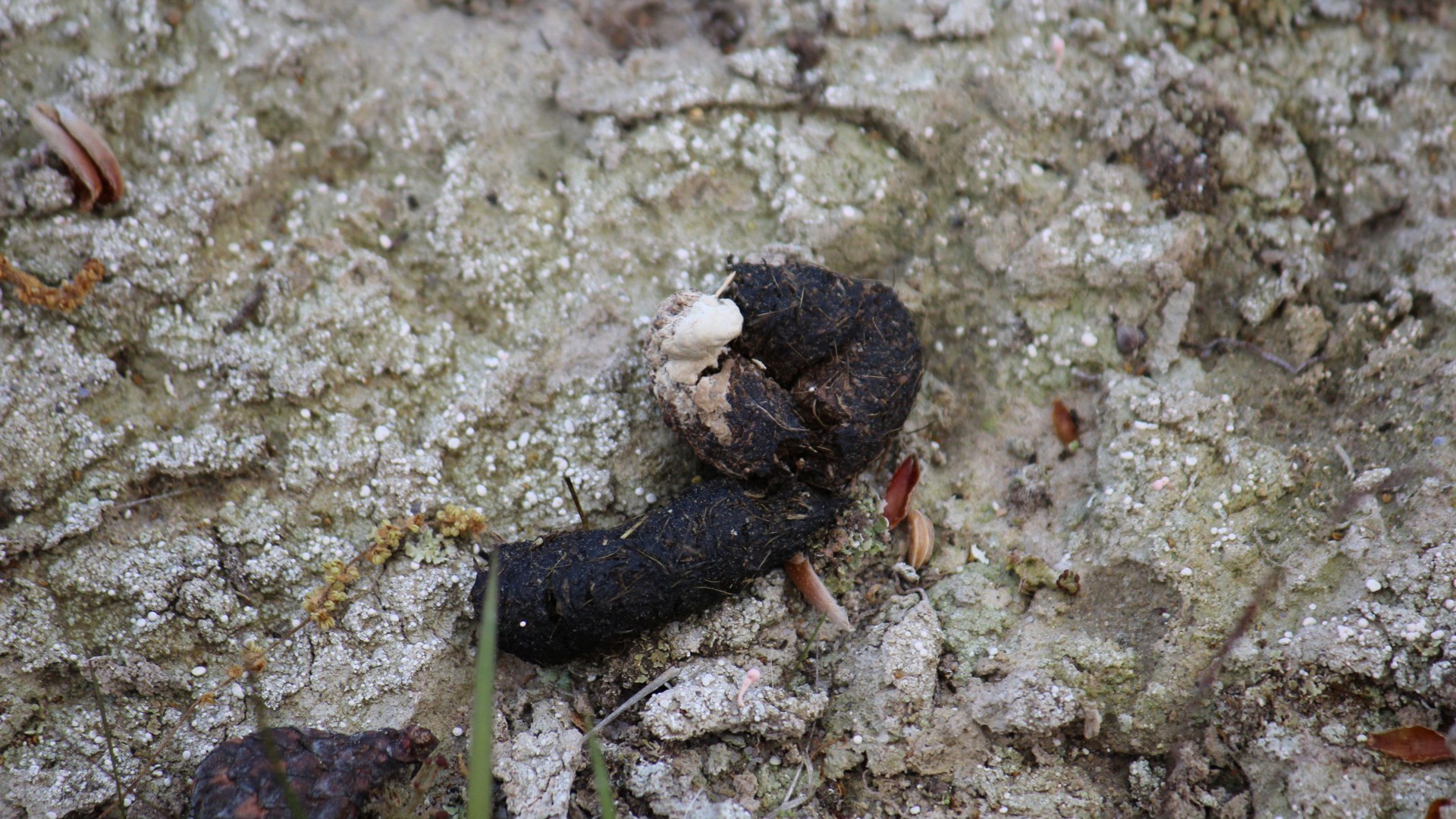
When I do preseason scouting, I often go boots on the ground once I find a promising area to hunt. I look for lost feathers such as wing feathers from molting or early strutting, and I look for feeding areas where the leaves have been disturbed. It is easier to find the disturbed leaves in woodlots obviously, but feathers and tracks can be seen in agriculture fields as well. Turkey droppings often have a J shape to them. Make a point not to enter a field where you see turkeys as you do not want to spook them and push them to using different areas. The less pressure on them the better.
Spring is typically wet, but if you have a dry spell going on, look for dusting areas in dirt. This can be telling of regular activity as well.
Trail Cameras and Blinds
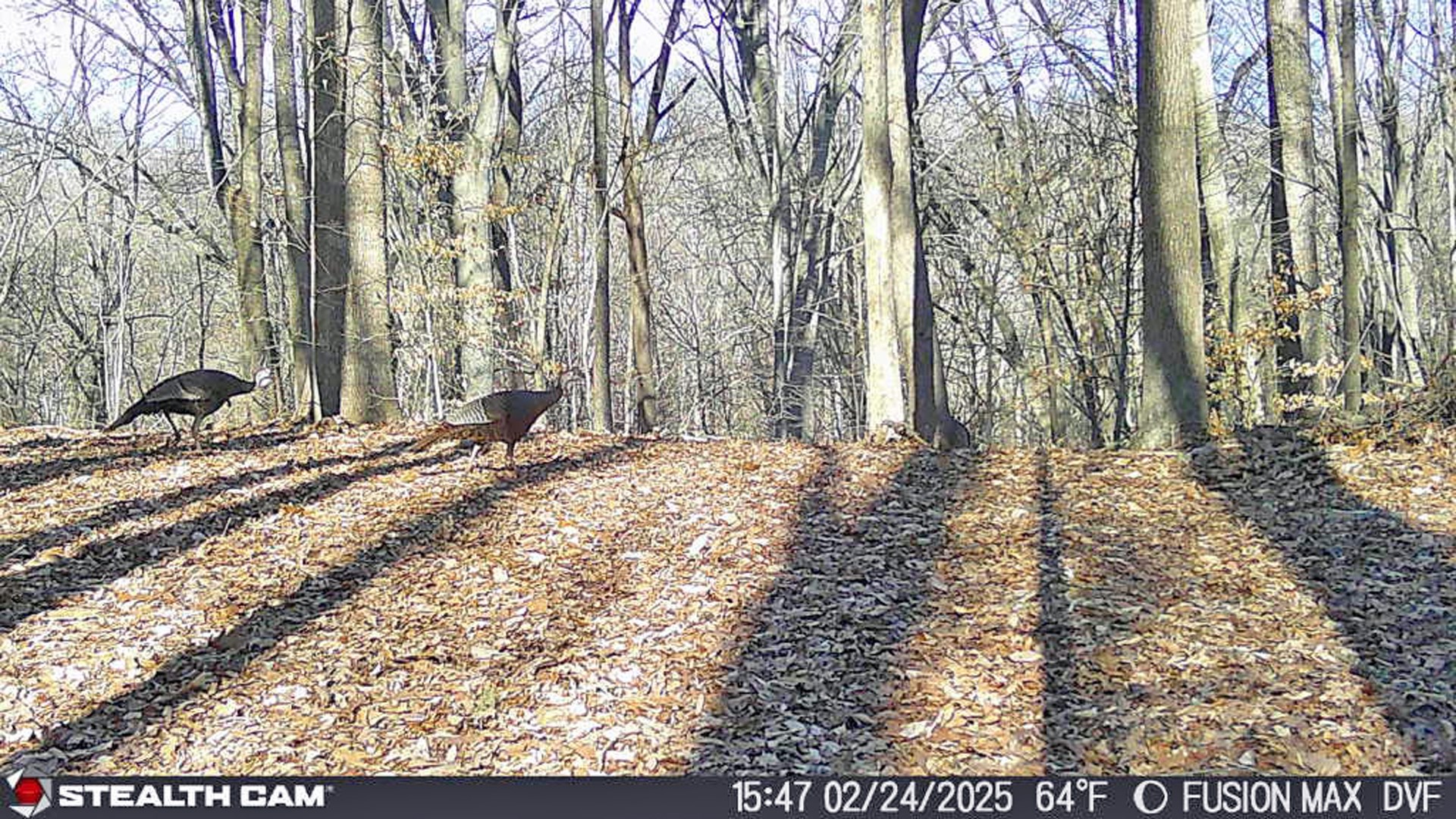
Trail cameras are valuable tools to use for pre-season and even early season turkey scouting. Use a camera with the longest detection range in open areas and use the others with less detection range in wooded areas. Point the trail cameras in a northerly direction to avoid the sun potentially setting them off from glare. If you are using trail cameras in an agricultural field keep in mind that the farmer will be planting soon and you do not want to put the camera on a post in the field to be struck by equipment.
I like to use trail cameras for a week or so in one area and if I am not seeing turkeys readily and consistently, I will move the camera to a new area whether it is further down the field or to another field entirely. Make a point to find turkey sign, if possible, before putting out a camera. The preseason is short and things are changing rapidly, so we must be ready to move and adapt quickly to find the birds and their preferred areas to strut, breed and feed. Once I start getting turkey pictures on the camera, I look for trends in timing of the birds using the area. This lets me know if the location is more of a late morning strutting or loafing area or an early morning fly down or breeding area.
For hunters plying their trade in hardwood lots or cutovers, position trail cameras on logging roads to find birds quickly. Gobblers will use logging roads as strutting zones and breeding areas. Find a straight portion of the road and point the camera down the road. That is far more effective than positing it facing across the road.
As we get closer to the season opener, it may pay to preposition ground blinds if you find a promising area. Make sure the turkeys are consistently using the area though and be very sure that the blind is unlikely to be stolen. Turkeys are not too bothered by blinds being erected, so do not feel the need to put one up until you are sure. Unlike deer, turkeys pretty much ignore a new blind in a field whereas deer will often flee at the first sign of something new or amiss.
Listening
While much of the preseason scouting can be visual, it does pay to get afield early a few days to listen for gobbling activity. I reserve this part of my scouting for the ten days prior to the opener though. This is a great time to get afield and listen at daybreak for birds or even go at dusk to hear them as they roost. Resist the urge to call to the birds much though as you can educate them or change up their daily pattern before it is legal to shoot a gobbler. Call once or twice to elicit a response before marking it as a place to hunt, and then moving on before the gobbler shows up to see who was calling him.
This month, consider taking the time to get afield and do some pre-season scouting to invest in a successful season. Use some of the techniques described here and find yourself ready when opening day arrives.