We all have seen the iconic early 20th century poster showing Uncle Sam in his star-spangled top hat as he points directly at the viewer and says, “I want you… .” Well, now the Trump administration’s National Park Service (NPS) is asking for a few good hunters to help control invasive species in two NPS-controlled properties.
On March 20, the NPS announced it is “expanding opportunities for qualified volunteers and permitted participants to assist with the management and humane removal of invasive and overabundant species at Jean Lafitte National Historical Park and Preserve in Louisiana, and Cumberland Island National Seashore in Georgia.”
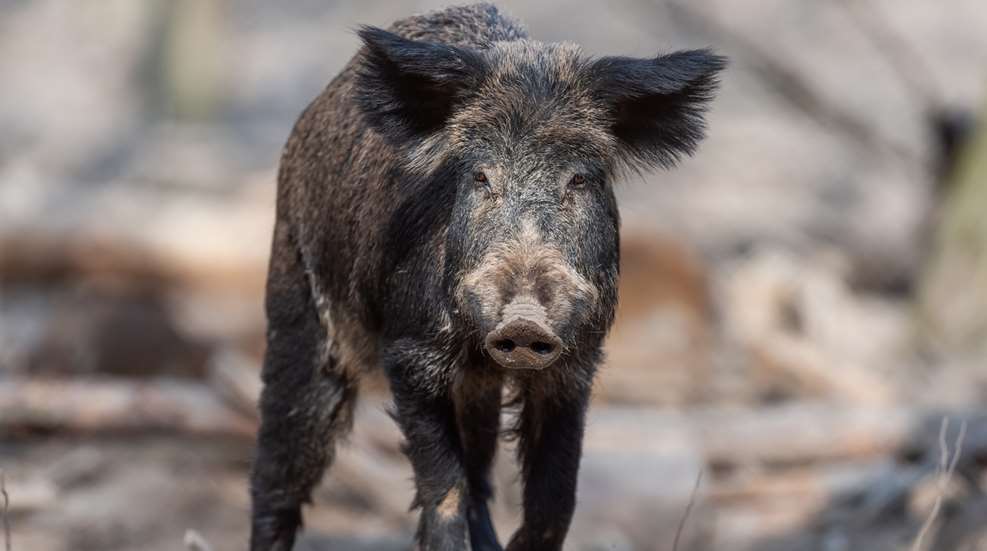
The NPS explains that this call for help from American hunters is an effort to support the “protection of wetlands, native wildlife, cultural resources and sensitive habitats that are affected by invasive species such as nutria and feral hogs.”
This order from Secretary of the Interior Doug Burgum builds upon the Trump administration’s priorities to committing “effective governance and responsible stewardship, including expanding opportunities for qualified volunteers and partners to support science-based wildlife management on public lands.”
Invasive species, such as wild hogs, can damage habitat, accelerate erosion and out-compete native species—factors that can reduce biodiversity. The NPS already uses a variety of management tools, including controlled hunting, trapping and targeted removal of some wildlife on many properties.
Hunting is not permitted in most national parks; it is, however, authorized in about 76 NPS units. In the pursuit of game population management, the NPS also uses other tools, like professional culling or habitat management. In cases of invasive or overabundant species causing harm, the NPS has used and now is expanding volunteer hunter involvement as a cost-effective management tool.
Specifically, this NPS’ announcement points to Jean Lafitte National Historical Park and Preserve—while explaining that qualified participants may assist with hunting and trapping efforts to reduce populations of nutria and feral hogs in the Barataria Preserve—and Cumberland Island National Seashore, where the NPS wants hunters to help manage feral hog populations to reduce impacts on sensitive habitats, including sea turtle nesting beaches and cultural sites.
“Our parks benefit greatly when skilled volunteers step forward,” said Acting Southeast Regional Director Darrell Echols in the press release. “Through these programs, the public can actively help protect native species, wetlands and cultural resources while learning about responsible wildlife management.”
Participation requirements vary by program and may include registration, background screening, safety training and adherence to all applicable rules and ethical wildlife management standards. Opportunities may include seasonal programs, organized events or authorized participant roles. Check it out for new hunting opportunities and be another example of how American hunters are true stewards of the North American Model of Wildlife Conservation.