A relatively new effort in The Silver State is quietly making a big difference for children eager to experience the outdoors for the first time. Demand outpaces the project’s funding, unfortunately, a clear indication that one of the biggest hurdles in enlisting the next generation of conservationists is financial.
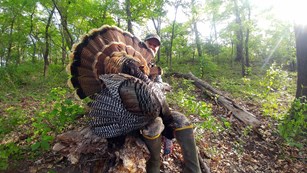
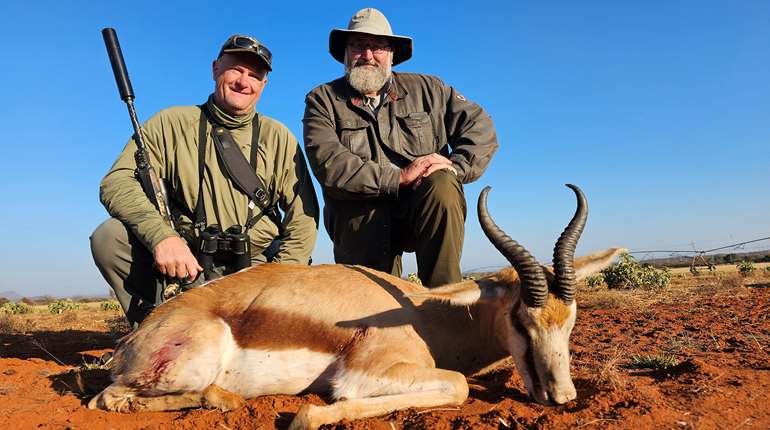
The Nevada Youth License Fund is a donation-driven program that provides free youth hunting and fishing combination licenses to kids ages 12 to 17. It helps remove cost as a barrier and gives more young people the opportunity to discover what Nevada has to offer outside, far away from TV screens and gaming consoles. Every dollar donated goes directly toward covering the cost to allow kids to fish, hunt and build lifelong connections to the outdoors.
Since the program began, thousands of youths have received licenses through the fund, many of them first-time anglers and hunters. Licenses are distributed on a first-come, first-served basis while funding is available, which means donations are critical to keeping the program open. Cost of a youth combination license is $15. Even small contributions make a big difference.
The Nevada Department of Wildlife’s (NDOW) goals for the effort are aimed directly at introducing youth to the lifelong pleasures of hunting and fishing. Noteworthy byproducts, however, include building the next generation of conservationists and promoting physical and mental wellbeing through outdoor recreation. Long-lasting family memories are also created.
The demand speaks volumes. Last year NDOW announced, “As of August 1, 2025, at 1:00PM PST this program will be officially CLOSED while we work to accrue donations to re-open the fund!” Some of the best hunting seasons open and lunker landings take place in Nevada between August 1 and Dec. 31.
Whether the popularity—and generosity—catches the attention of game and fish departments in other states has yet to be seen. The combo licenses are valid for the entire year after issuance, which makes planning trips easier for parents and adult mentors working overtime or at two jobs to make ends meet. Most youth programs, which are typically limited to certain days or weeks annually, don’t provide the same advantage for most families facing financial insecurity.