I have always believed that trying economic times are the great equalizer. It is a chance for everyone, whether they are strapped to city life or already living the country life, to find ways to cut back on material and commercial intake and be more self-sufficient. Some people are forced into it when they suddenly lose a steady source of income, but I’m noticing more and more that people are intentionally going out and finding ways to live more closely to the land. Whether through hunting, foraging or preserving their food, an increasing number of people are finding ways, both large and small, to step off the grid and lower their food costs.
For me, it has been gardening, keeping chickens and honeybees, foraging, fishing and most recently, hunting that has kept me constantly honing my pioneer skills. It is a wonderful contrast to times when I have to get business done in urban environments. Everyone has his or her own ways of keeping the balance, of tapping into those original human instincts. So I asked three people whose work I admire to tell me how exactly they hone their pioneer skills.
*Perennial Plate: My friends Daniel and Mira are the ultimate examples of those who have decided to try out living off the land full time. Their website Perennial Plate hosts a catalog of amazing video footage from their current road trip across America—hunting, gathering and meeting the characters and the contrasts along the way. If you ever need any inspiration for the pioneering spirit, here are some of the activities they recommend:
1. Forage: Turn the forest into a shopping trip. This is one of the most liberating and fulfilling activities we can think of. The more you learn about what foods are available in the wild, the more enjoyable walks and camping trips become. On top of that, wild foods tend to be more nutritious than farmed foods. (Make sure you are aware of all federal and local laws before foraging.)
2. Use everything: Changing your perspective on meat and vegetables to a “use everything” philosophy is not only economic, it also brings a challenge and creativity into cooking. You don't need to throw away the beet greens or kale stems, gizzards or fish heads—they are delicious and fun.
3. Kill your own animal: This may not be for everyone, and it may even make more sense for some to buy meat from a responsible source. But it’s hard to really face the reality of meat eating unless you take an animal’s life. This can be a backyard chicken, hunting a deer or going to a local farm and observing the slaughter. Being a part of the process could make you a vegetarian or turn you into an avid nose-to-tail chef.
*What Julia Ate: I first met Julia while she was searching for Hudson Valley quinces, which my family happens to grow. We became fast friends and her knowledge of canning, preserving and all things pioneering is awe-inspiring. You can follow her weekly adventures at What Julia Ate to enjoy her writing, her humor and her food. These are her favorite ways to step off the grid:
1. Canning: There is nothing more satisfying to me than looking at my cupboard shelves filled with jars of pickles, jams, relishes, sauces and condiments. To open a jar of strawberry jam in the dead of winter reminds you of the heat of summer, and the fact that you recall sealing this glistening goodness into the jar yourself is nothing short of sublime. Promise you’ll make one batch of jam this summer, and watch it grow exponentially each year.
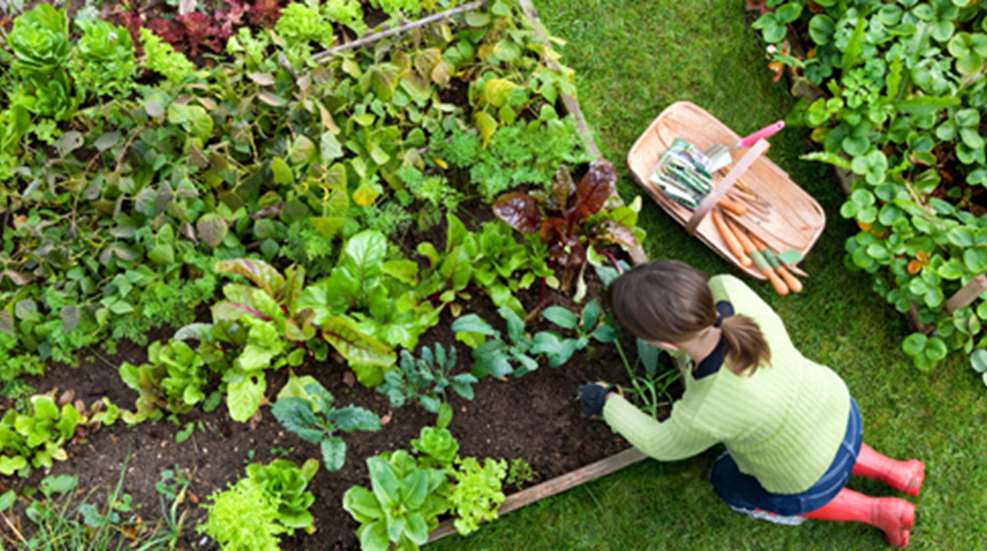
2. Gardening: I am always astounded that all I had to do was plant a few tiny seeds in the ground to be rewarded with a bounty of vegetables. True, it’s not always as easy as that, but the time spent outside clears your mind and the reward is worth it. And then, if things really work out, you can can it. See No. 1.
3. Smoking Meats: Since I’ve started smoking meats, I’ve become addicted to it. It doesn’t take long, and it gives the highest dividends as far as I’m concerned. Think of this: 10 pounds of pork belly is easily converted into bacon, which is then stored in 1-pound slabs in the freezer. Guests coming in the morning? Pull a slab out the night before and prepare to dazzle. Or, hoard it. I’d understand.
4. Start Small: I never start big, and always go for the simplest thing to do. It’s easy to get frustrated and quit. Go slow and give yourself time to be a success. Plant a few tomato plants from seedlings that were grown by a reputable source. Make a batch of jam for the fridge. If you like it, do it again and can it. Start identifying wild foods before you start eating them. Get a stove-top smoker or rig your barbeque and try to smoke something. I’ll bet you won’t be able to stop!
*Eat Boutique: Maggie Battista runs a market and website in Boston called Eat Boutique and is the ultimate champion of all things artisan, local and pioneering. She spends her days curating the most unique and enchanting products, and fosters connections between food lovers and food makers by sharing inspired stories, recipes and tasting trips. If you’re in New England on December 10, you can even stop by her Eat Boutique Local Holiday market. Here is her philosophy:
1. I bottle up my own herbs: From the plants that grow out back, I hang and dry everything in my kitchen, which becomes a studio for preserves each fall. From summer to summer, I can make my dried mint, oregano, sage, thyme, lemon balm, dill and parsley last for more than 12 months.
2. I make my own cordials and infused liquors: I wouldn't dream of purchasing cordials in a local liquor store, unless it's to compare it to my version; I far prefer to infuse my own high alcohol spirits with fruit, herbs and produce. It started with making my own Limoncello and morphed into cherry brandy, blueberry vodka, kumquat cordials, pear and apple spirits, bacon bourbon and my perennial favorite, rhubarb liquor.
3. What's next? We have a barn just begging for a couple chickens. I have a large yard that needs even more gardens and a greenhouse someday. And I'm experimenting with my own wine and beer—baby steps.
Now that we have shared all of the ways that we step off the grid every once in a while, we’d love to hear how you do it. Share your tips and inspiration with everyone in the comments!