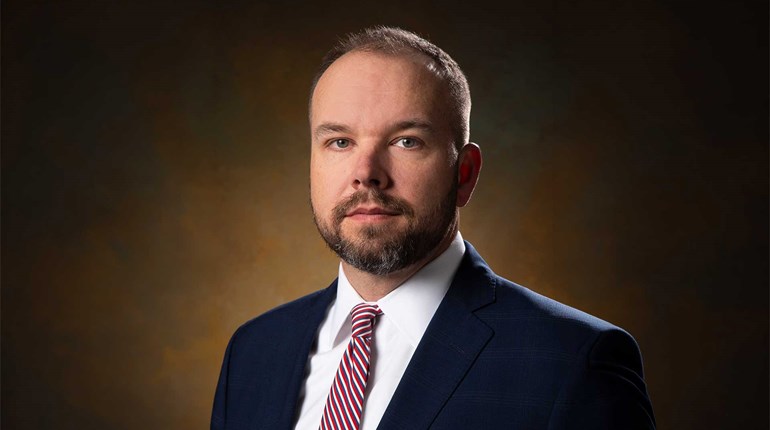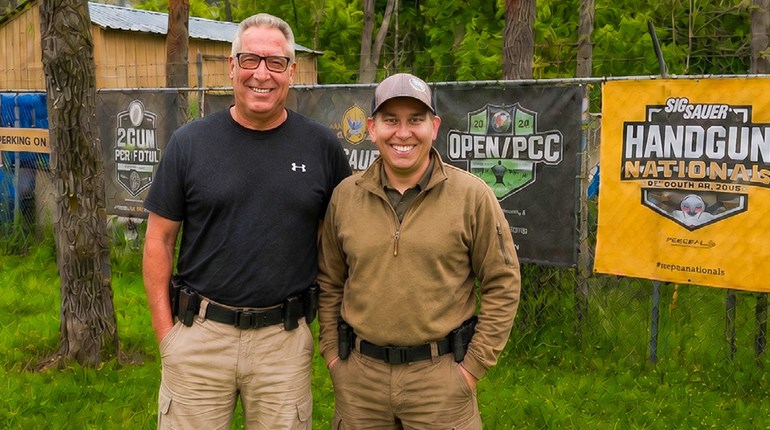
Many years ago I was involved in hunting clubs that allowed several different people to hunt the same large tract of leased land. It was pretty good stuff, but one thing I learned was that there is no more important element to running a successful hunting club than safety. My friend Mike Armistead has been involved with hunting and shooting clubs all his life. What he told me years ago still holds true today.
"There's no element more important to a hunting club than safety," Armistead said. "I've found that clubs need a set on common sense safety rules that apply to all members and their guests, without exception. This will ensure that everyone has a good time without incident, but if there is a problem, everyone also knows what to do to minimize the down side."
Mike said that the first step is for hunting clubs to determine how many people can be members without adversely impacting the resource. "This is based on the acreage you have, which dictates the number of people you can have as members," he said "Get with local biologist to help you set up a game management program for harvest goals, etc. This will, in turn, help you decide how many people can be out safely hunting at any one time."
Firearms Safety
"Safety begins with careful firearms handling," Armistead said. "On our clubs we have a simple rule—any unsafe firearms handling, and you're dismissed from the club, no questions asked." His clubs always follow these basic firearms handling rules:
• Keep all types of guns in an area of camp designated for their storage.
• No firearms shall be stored with ammunition. All bolts, breeches, and barrels will be opened when stored.
• No firearms shall be loaded when traveling to and from the hunting area.
• All sighting in and target practice shall be done in an area designated for that purpose, after ensuring that it is safe to do so.
Emergencies
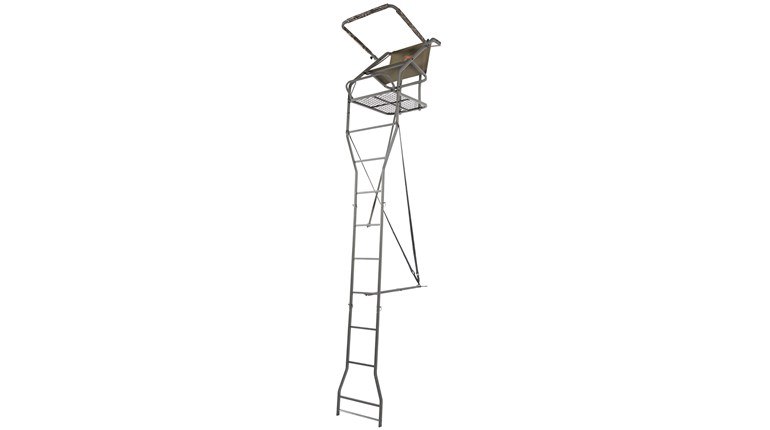
Armistead noted that while most clubs emphasize firearms safety, there are other concerns that need to be addressed as well. "Many clubs talk about firearms safety only, when there is much more to be concerned with," he said. "Accidents can happen on four-wheelers, with tree stands, there can be medical emergencies, and so on. Actually, gun accidents are very minimal, so you have to be prepared to handle these other problems."
To help club members respond quickly and properly to these types of problems, Paternostro recommends several standardized steps. They include:
• Have a large map or aerial photograph of the club area displayed so that members can post their locations at all times, using either colored and numbered pins or a grease pencil.
"This way if the member doesn't come back when they are due, we can look for them," Paternostro said. "It also makes it easy to find them if someone calls with an emergency from their home or business."
Paternostro emphasized that club members are required to post their field locations at all times, even if they're going scouting, working on fences, setting tree stands, etc.
• Have a membership roster, with contact phone numbers, posted.
• Keep a visible emergency phone list posted that includes the nearest hospital or clinic, paramedics, local and state police and fire departments, local doctor, local pharmacist, etc. Make sure the list indicates whether or not 911 service is available from the club phone, and if not, how to swiftly contact emergency services. And keep a map posted showing how to drive to all the above if necessary.
• If the club has no working telephone available, make sure all members know the quickest way to reach emergency help.
• Have an updated first aid kit available, visible, and easily accessible.
• Keep an appropriate number of charged fire extinguishers available.
• Keep a set of "cue cards" showing basic first aid and CPR procedures posted by the telephone.
• Post the rules governing the ovens, stoves, fireplaces, and heaters, as well as directions on how to safely turn them on and off.
Alcohol
Mike’s rules on alcohol consumption are simple: No one shall partake of any alcohol until after the evening hunt has been completed, and all firearms have been put away in the designated area.
"There are no exceptions to this rule," he said. "If a guy wants to drink too much in the evening, that's fine. But we never allow drinking during the day or before firearms have been safely stored."
Safety First!
"There is no 'most common kind of accident' that stands above the rest at a hunting club," Armsistead said. "Actually, most problems are probably related to sickness -- someone falling down, getting dizzy, coming down with the flu, maybe hypothermia, a heart attack, etc. You have to be able to deal with these kinds of things.
"Our 'Golden Rule' is simple—safety first at all costs," he said. "After so many years of running hunting clubs, I can assure you that you can't leave anything to chance in this regard. After all, unless you are constantly thinking about safety, accidents will happen."