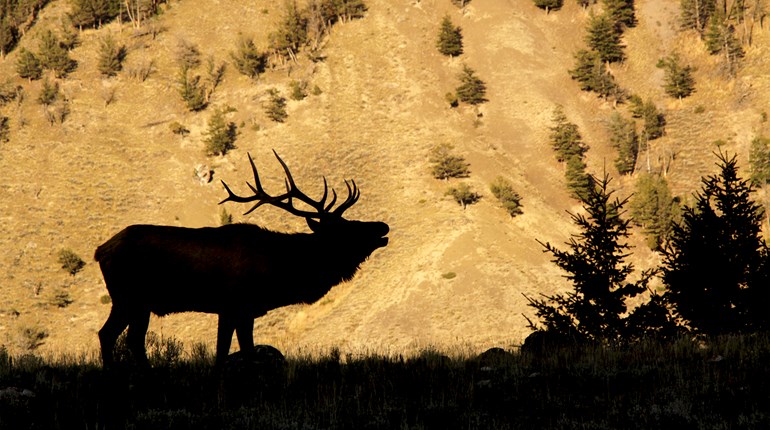
If you dream of hunting the vast, rugged expanses of the West, there is one necessary evil that you must learn to navigate: drawing a tag. This endeavor can be overwhelming (especially for Eastern hunters who haven’t experienced the process) as you attempt to traverse through varying states’ websites, license requirements, draw odds, season dates ... and the list goes on. Here are eight tips that will help streamline the draw process and help you put more tags in your pocket.
1. Identify your Priorities
The West provides the adventure-seeking hunter endless opportunities to pursue many different species; elk, mule deer and pronghorn are a few of the most sought after. Pick one or two animals that you really want to target and focus your time and monetary efforts on obtaining a tag for those particular species.
2. Set a Budget
Applying across the West is a pay-to-play game. I know individuals who spend north of $10k every year applying for tags in hopes of pulling one. Oftentimes, some of that money is refundable pending an unsuccessful draw, but sometimes it is not. Set your own budget and maximize your money to give you the best odds of pulling a tag for your priority species.
3. Set Realistic Goals
When developing an application strategy, set short- and long-term hunting goals. Short-term goals could include general over-the-counter (OTC) tags (those that don’t require a draw), recognizing that pressure will be high and trophy quality often low, but it is still a foot in the door when learning to hunt the West. Long-term goals should include building points for a higher-quality unit but recognizing that it may take 10-plus years to draw that tag.
4. Research
Researching different states and the opportunities they offer is a time-consuming endeavor. Most states publish draw odds and harvest success rates. Meticulously mull over these charts and identify areas with relatively high success rates and better draw odds. I typically look for units that have at least a 30 percent success rate and better than one-in-10 odds.
5. Familiarize Yourself with the Draw Process
Once you identify the states and game you wish to apply for, familiarize yourself with their draw process and tag allocations. Only a small percentage of the tags in a given unit are set aside for a nonresident to draw. If you are a nonresident, look for states that allocate a higher percentage of nonresident tags to increase your odds of pulling one.
6. Bonus Points
Playing the bonus-point game is as frustrating as it is rewarding. Not all, but most states across the West utilize some sort of bonus or preference point system. In theory, the more points you have, the higher your odds of drawing a tag become. When setting your long-term goals, research states that offer a point system to increase your odds down the road of drawing a quality tag. With a little bit of research, you will find decent hunts that take only a few points to draw the tag.
7. Apply Early
This sounds simple, but do not wait until the last minute to apply for these hunts. Varying states’ websites are often confusing and difficult to navigate. Applying early will save you time and stress, as well as give you time to familiarize yourself with each state’s application process and protocols.
8. Apply Often
Apply for as many different states and hunts as your budget allows. The odds are often long, but someone will inevitably draw a tag. The more buckets you throw your name in, the better chance you have of drawing a tag and fulfilling your Western big-game hunting dreams.