Even though the past few ducks seasons have been a bit on the meager side, there are still many of us who look forward to opening day and cling to the hopes of an honest-to-goodness migration. It appears resident populations of ducks are on the rise, and true “flight days”—with large numbers of ducks moving south—get fewer and farther between.
But for die-hard waterfowlers, opening day is still an annually anticipated event. Whether the ducks are here or not, no doubt countless numbers of us will be brushing blinds and readying decoys in the very near future. With that in mind, it is your decoys I would like to discuss today.
Maintaining, preparing and setting several dozen duck decoys is no easy task. Being a successful duck hunter depends, largely, on how we approach these three aspects of decoy use. After all, ducks see and respond to a decoy spread long before they can hear how good … or bad … your calling is. Let’s take a quick look at all three phases.
Maintaining
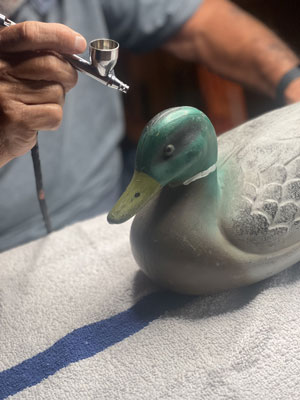
Decoys take a beating all year long. Between the harsh weather conditions they endure and/or being tossed around in large bags, the paint on most decoys more than a year old could use some touch-up. To keep the price of decoys down, most manufacturers do not use high quality paints to begin with. So, spend $10 and get a couple small bottles of paint and spruce-up the highlights on your decoys.
Preparing
Be sure to paint the obvious contrast colors on your decoys. If, like most of us, the vast majority of your blocks are mallard decoys, repaint the green heads and the white ring on the drake’s neck. Use some purple on the hen’s wings. These small improvements will help a lot when ducks get picky.
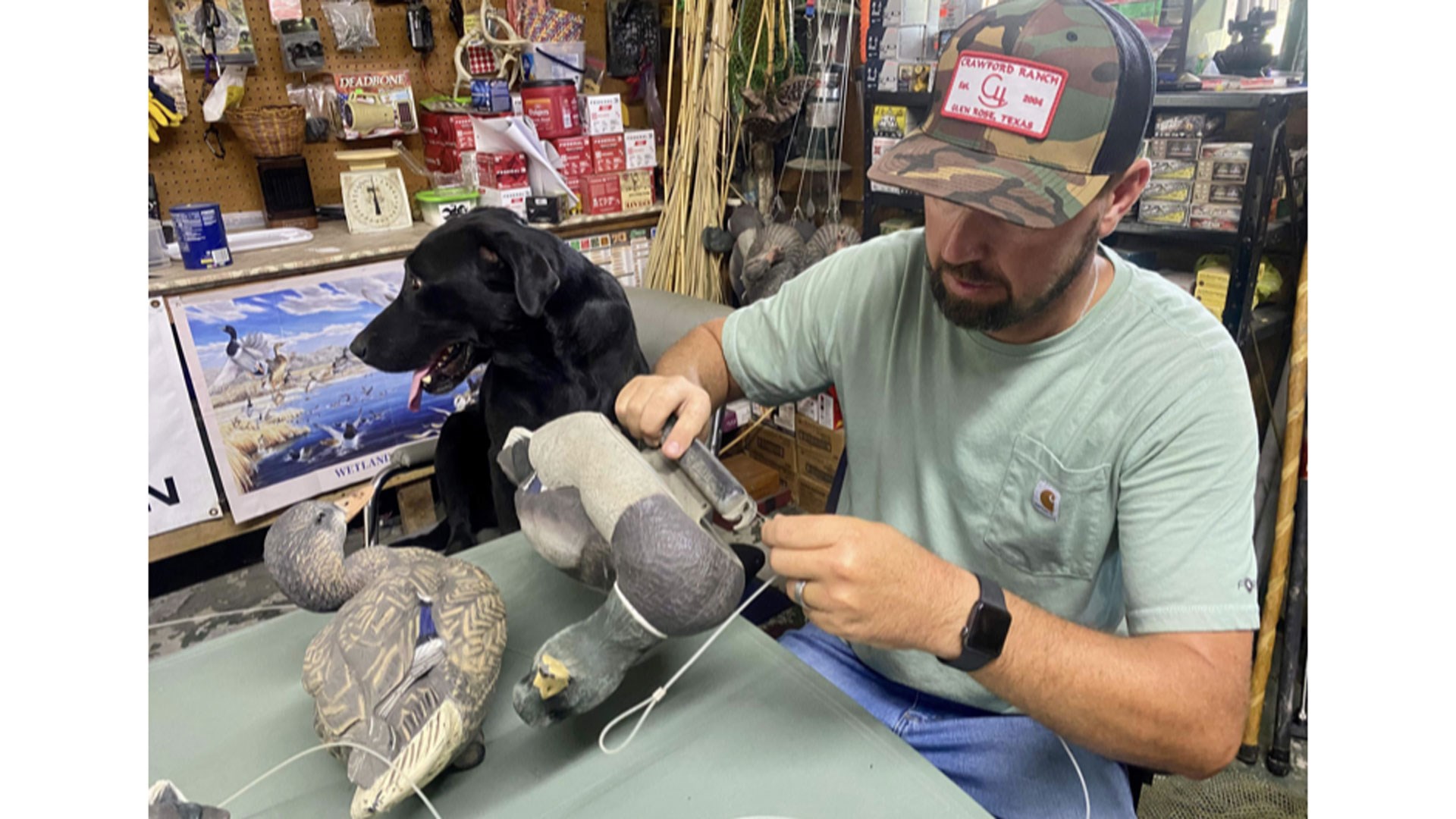
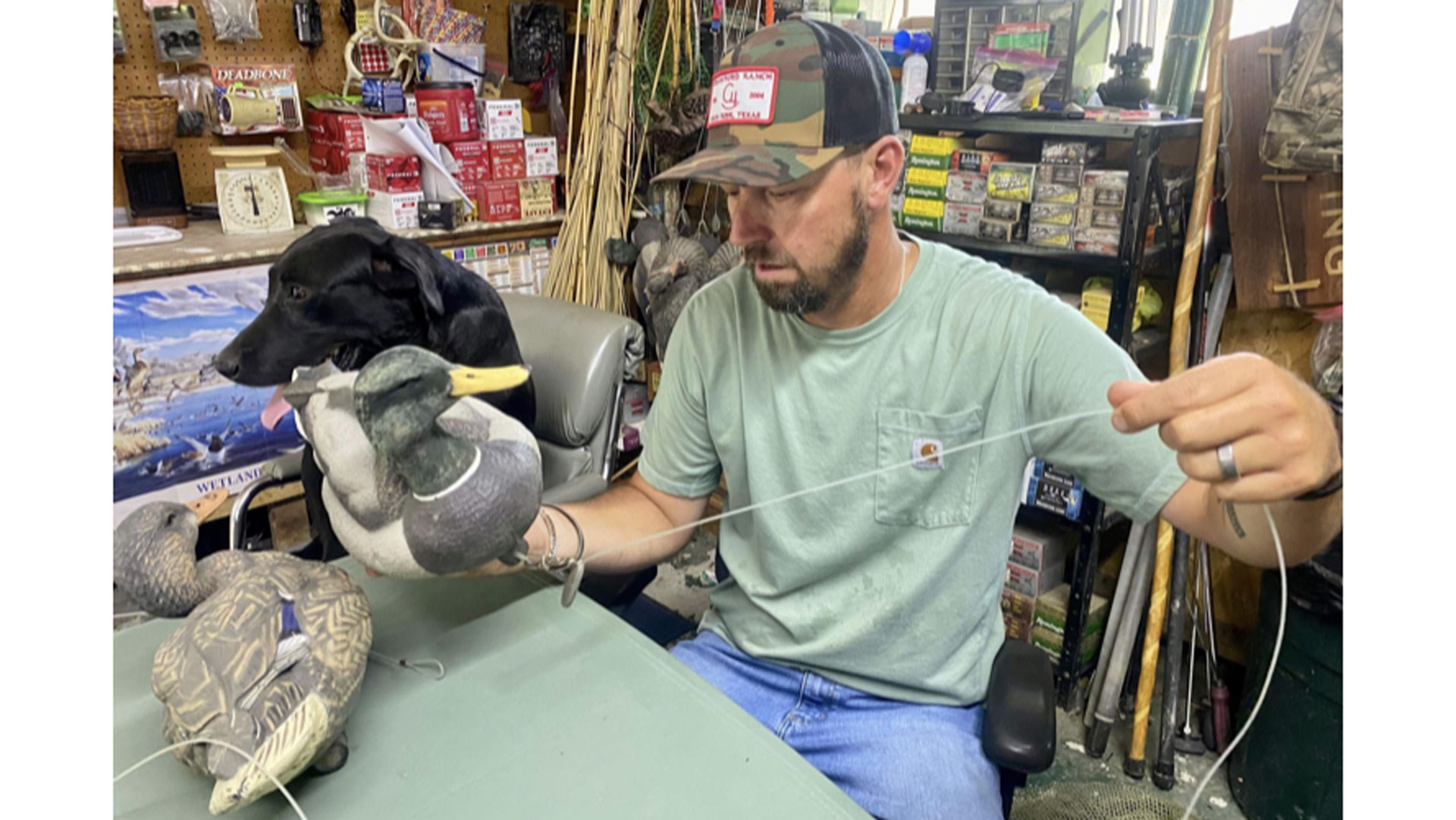
Also, be sure to tie new strings on your decoys. Knots wear and strings unravel. Check your weights and also check each decoy for pellet holes from last year. Sinking decoys do you no good at all.
Setting
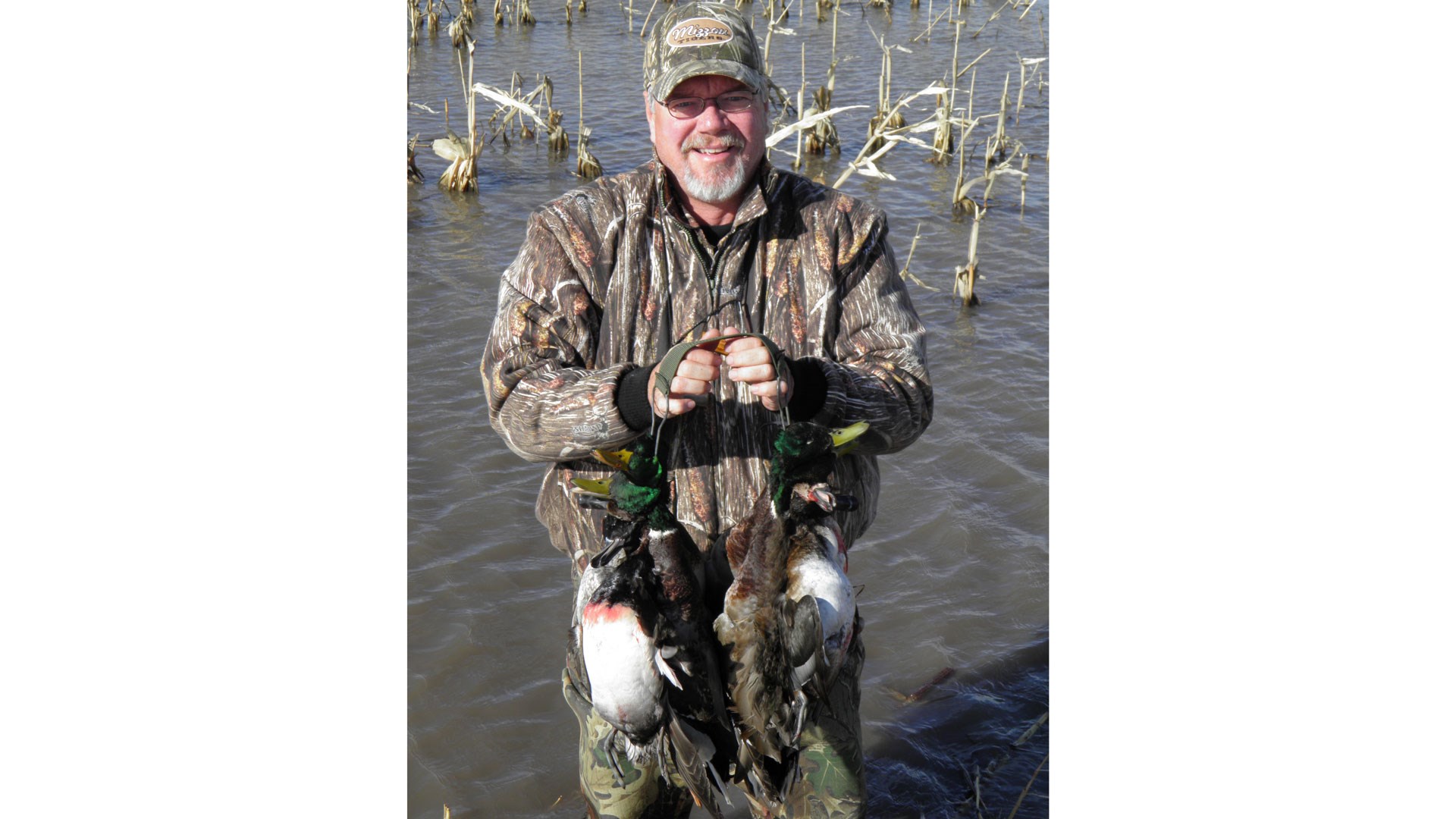
When setting decoys early in the season, keep in mind the type of ducks you will most likely be seeing. For most us, we will be using mallard decoys knowing full-well we may not even see a mallard on opening day. Teal, pintail, woodies, widgeon and maybe an early gadwall will be the ones to come through first. These ducks are not nearly as “decoy picky” as the larger ducks we see later in the season.
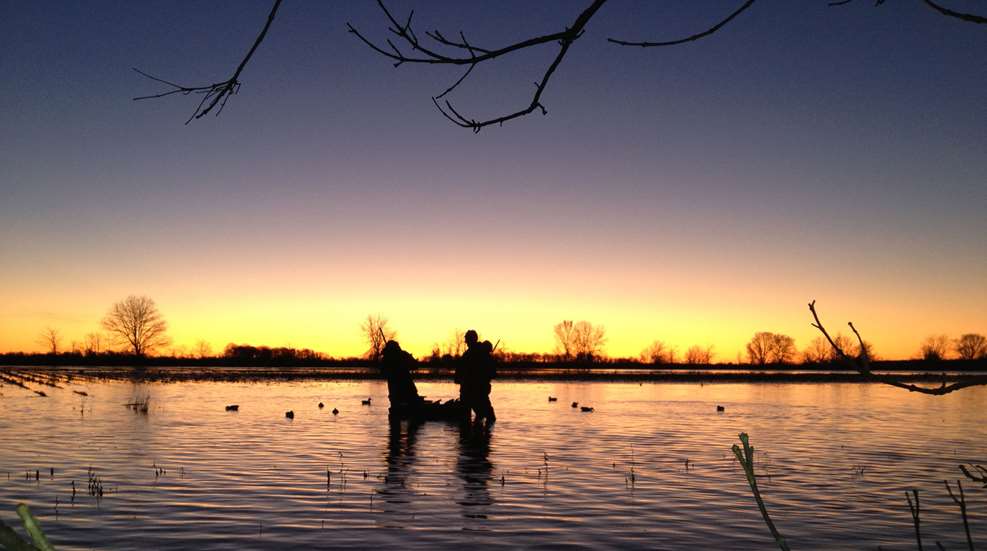
For the most part, teal can be decoyed with plastic bottles. Therefore, I do not get too fancy with my spread for the first week or so of the season. I like my blocks in two small bunches, about 15 decoys each, leaving a landing zone between them and right in front of the blind.
Most of the ducks we will encounter early in the season are of the smaller varieties. Wood ducks, all three teal sub-species and the occasional widgeon will buzz your decoys constantly. If you happen to have smaller decoys, now is the time to use them. This is not to say that these smaller ducks will not decoy to standard size blocks. These little guys can come through all season and as we have seen, they will dive right into mallard decoys. Small ducks tend to form tighter groups on the water, however, so keep this in mind as you set your opening day decoys.
This will work just fine for other ducks that have not yet been hammered by hunters for several weeks. The longer the season goes and the more suspicious the ducks get, the more elaborate your decoy spread needs to be to stay effective.