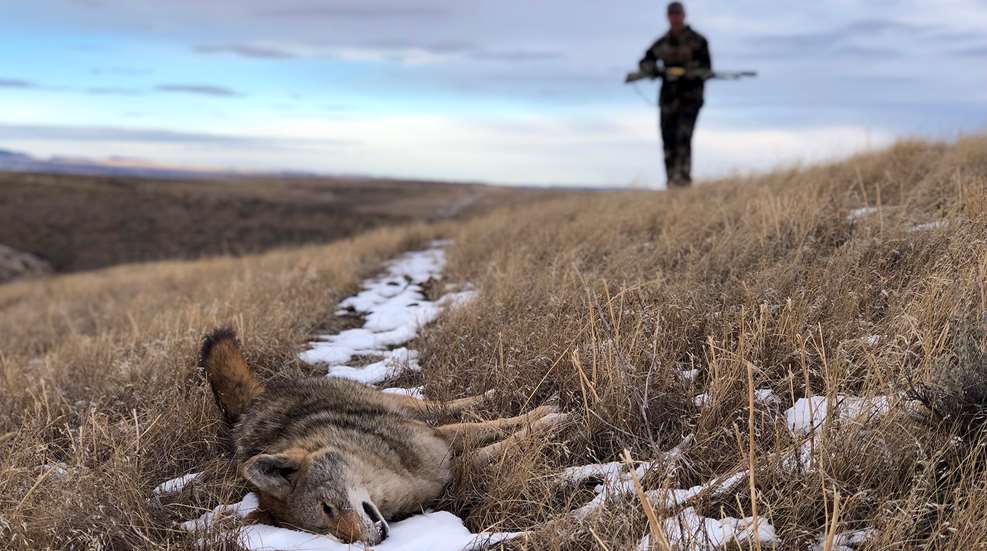
Life is a wild rush from one activity to the next and going from one challenge to another. As the years pass by, it seems easier and easier to overlook the details, big and small, of the undertaking ahead. Don’t do that with your coyote hunts. It could sink your hunt and leave you with a sinking feeling of failure. The following represent areas where overlooked details, big and small, could send your hunt to the bottom of the ocean faster than the Titanic.
Coyotes are Gone with the Wind
Like whitetails, coyotes live by their noses. They rely on hearing and eyesight as well, but the nose oversees the senses department. When coyotes sniff trouble, they do not question the intel and are gone with the wind. That noted, pay very special attention to the wind.
My first look at the wind begins in my bathroom as I prepare for a morning hunt. Flipping through current and hourly forecasts on my HuntStand hunting app (huntstand.com) sets my mind in motion to preselect hunting parcels and narrow down stands. Some tracts of land require me to set downwind of where I expect coyotes to arrive while others may take an upwind site due to geography. Regardless, I use the wind forecast to formulate a schedule of the first two or three sets of the day.
When I arrive at my sites I also do a precision check of the wind. Although hunting apps and government weather are precise, a puff bottle filled with powder allows me to visualize the wind at a precise location. Hills, river bottoms, coulees and the like all can make wind spin a bit differently than what’s being logged at a nearby airport or weather reporting station. With your forecast and onsite confirmation, make the best decision on your setup because any incoming coyote will make an even better decision to avoid danger.
DMV Debacle
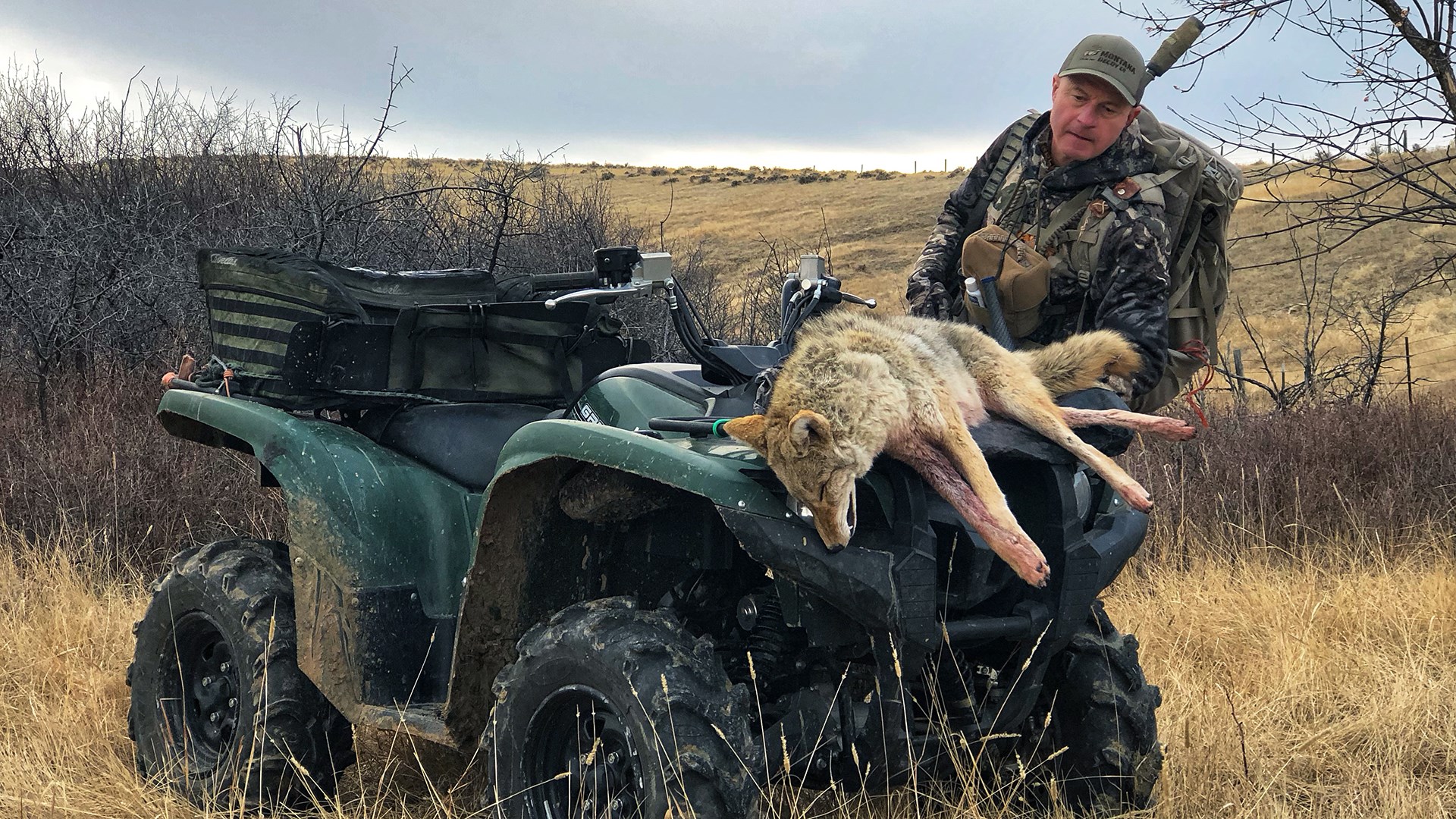
You know the debacles that occur at the DMV including long waits, long forms to fill out and customer dissatisfaction. Even without the legal paperwork you can still create a debacle in coyote country through simple vehicle operation. Unless you encounter an adolescent coyote or one that does not experience human pressure, coyotes run from a motor vehicle. They tend to hide, sprint or totally avoid roads. They are masters of SERE (survival, evasion, resistance and escape) so when they see or hear your vehicle, they shift into reverse.
To avoid a SERE coyote experience, consider using your vehicle a little less and your legs a little more. Instead of driving close to your calling site, whether using a truck or ATV, park out of sight and at a distance you surmise will not alert a coyote. I prefer to park either in a valley and hike up and out or to park behind a hill and hike up, and over. The terrain muffles my vehicle’s arrival and hides it simultaneously. Your coyotes may not be spooking, but the coyotes I hunt have heard the accelerator of one too many Ford F-150s.
Waffle House Woes
Remember the lesson on leaving your vehicle a little farther away and putting your Kenetreks into play? That becomes even less of an option if you visit Waffle House (fill in your favorite fast-food outlet here) on a regular schedule. Most Americans are overweight or obese. That’s not me saying that. RFK Jr. maintains that stance on the Centers for Disease Control website (cdc.gov) that states this fact: “Percent of adults age 20 and older with overweight, including obesity: 73.6 percent.”
Sure, a few of you carrying a spare tire can still navigate well, but the older or bigger you become, it spurs you to drive that vehicle closer to your hunting location. Walking a little farther might be a good idea. I’ve shot coyotes near roads on occasion, but 90 percent of my coyote kills take place half a mile or more from any established road. Here’s my perception of why a little hike helps.
Before dawn, coyotes may be near homesteads, farms, ranches or roads, but as sunrise nears, the typical coyote begins to back away from the bustle of busy people for daytime digs that offer few invasions. At sunset, they might begin a trek back to those locales, especially if the reward of food exists there. Your goal should always be to hike farther and set up in a position to intercept coyotes moving between survival necessities. Listen to RFK Jr. and get in shape.
Into the Wilds … Too Far?
On the flip side of Waffle House woes, I tend to overdo it sometimes when it comes to leaving humanity behind for the wilds while coyote hunting. Using the same thinking, sometimes you do not need to put too much distance between you and where you perceive coyotes to be. Why? Some may not be leaving an area due to the area having everything and an extra big dose of sanctuary security.
City limits immediately come to mind along with the edges of large industrial parks that may include groomed manufacturing sites, plus unkempt lots in the process of being sold for more commercial development. Areas such as these do not allow hunting and become de facto refuges. The coyotes may never leave, and you may be walking right past them as you access the wilds.
The same is true of a trend occurring across the nation—I’m seeing it here in rural Wyoming. It’s landowners refusing to allow coyote hunting. As more land sells for recreational and absentee landowner isolation retreats, it gets shuttered to all hunting, even coyote hunting. Yes. I cannot believe it either.
The answer to this scenario is to still maintain a low presence with your vehicle and hike enough to separate yourself from the refuge, but call the borders. Set up approximately 200 yards from any perceived refuge setting and call away (rockymountainhuntingcalls.com). It might be the best hunt around.
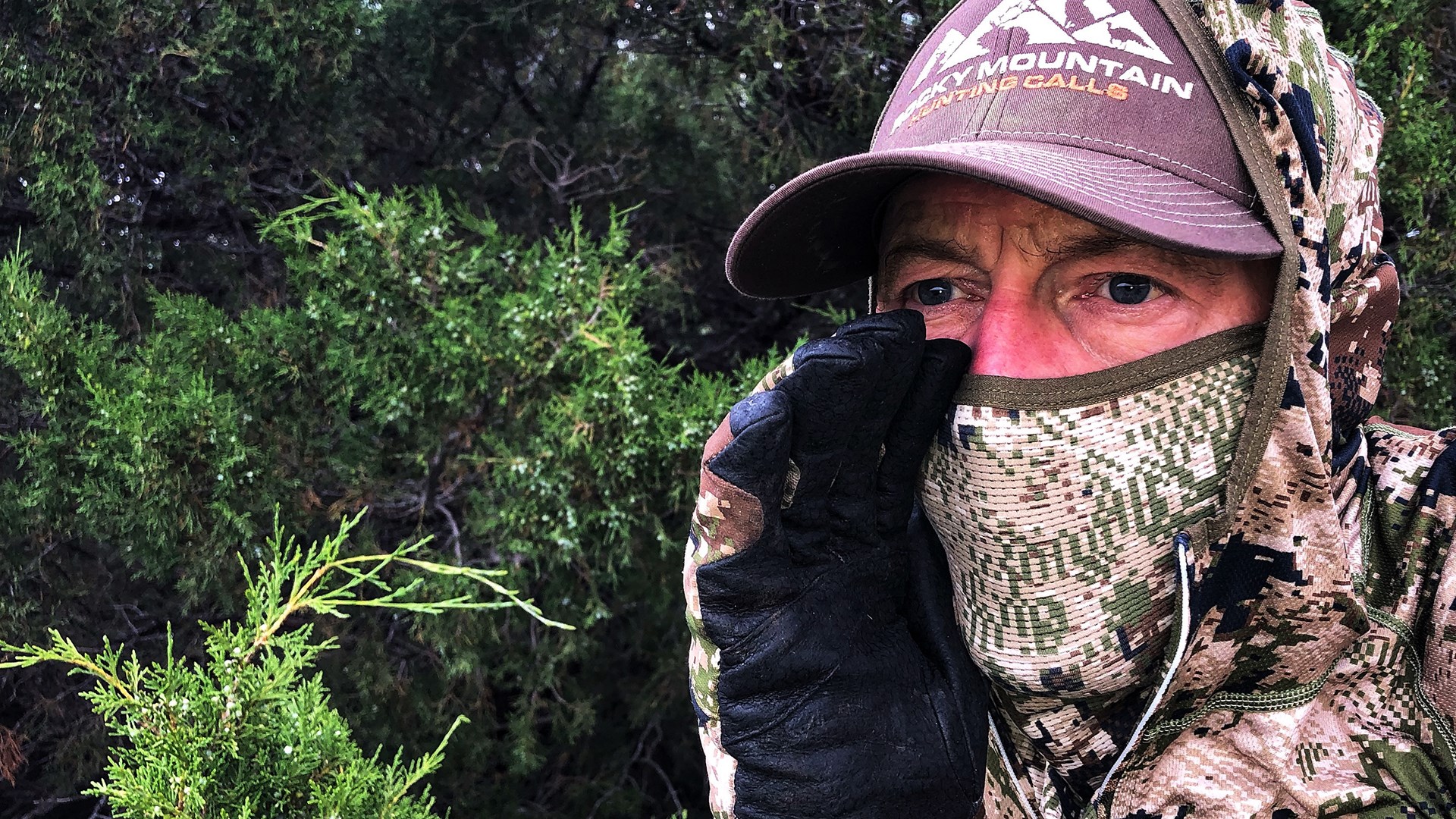
Whoa Coyote, Whoa!
When that perfect moment materializes and a coyote races to your setup just like that YouTube video you watched the night prior, don’t forget to say, “Whoa coyote, whoa!” Get that coyote to stop for a sure shot. Running shots represent a low-percentage chance of success, and when you examine a coyote’s vital zone, you have a 4- to 5-inch chest window for a clean kill.
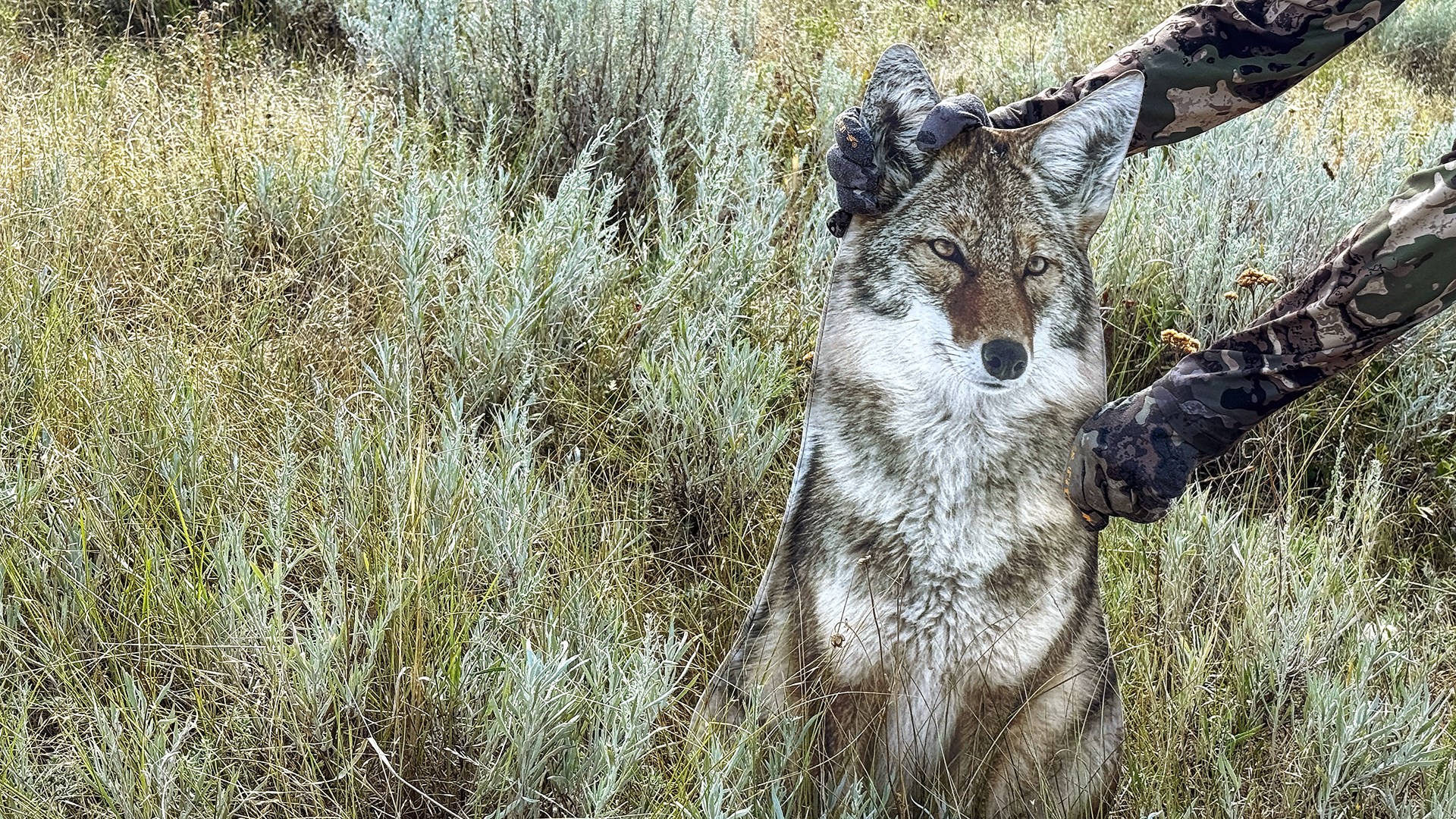
Yelling “whoa” works, as does whistling to a coyote. Barking is the go-to for stopping coyotes, and you can practice with your mouth to avoid needing your electronic caller. If you do wish to use your e-caller, the sounds of a wounded coyote also have braking powers. Coyote decoys and scents have stopping power, but sometimes I must use my secret weapon. My border collie accompanies me on every hunt, and if barking or other strategies do not work, I whisper to Sully to “get ’em.” The sight of another canine almost always brings a coyote to a skidding halt for a red-tip introduction.