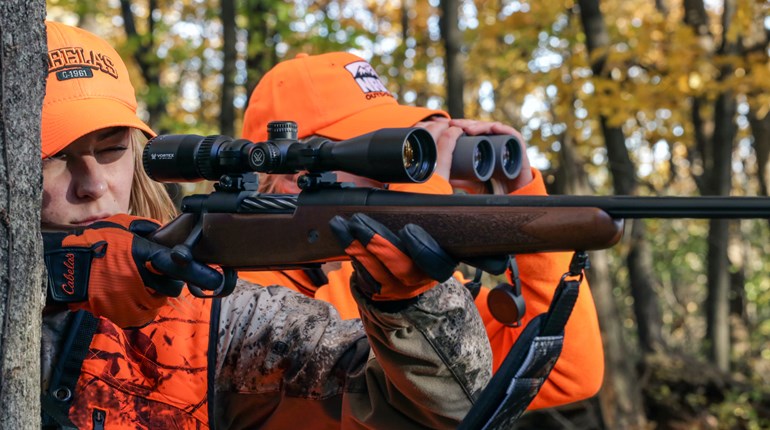
In response to earlier articles here about an NRA Outdoors quail hunt I joined in Mexico, I was asked: Did we eat the birds we shot? Did we bring birds back here to the United States? The answer to the first question is that we did indeed eat some of the quail killed by our party. Thanks to the owner of a restaurant near our hotel, we ate nearly four dozen birds, and just like our U.S. bobs, it was all white meat and wonderfully tasty. The rest went to our guides and workers on the ranch where we hunted. No birds went to waste.
We did not try to bring any back into the United States, but I have declared quail and wild turkey upon returning from other trips to Mexico. The required paper trail makes it a fairly involved process, but not hopelessly complicated if you follow each of the required steps. Here’s a summary of the various steps, but please don’t consider this as a comprehensive guide—you will need to do your homework.
The U.S. Department of Agriculture requires returning hunters to possess a “Permit to Import or Transport Controlled Material or Organisms or Vectors.”
Step 1—One must obtain e-authorization by going to and establishing a Level 2 customer account. VS Form 16-3 is the application for the needed permit.
Step 2—The USFWS requires hunters bringing back game meat or trophies to present a Declaration for importation of Fish and Wildlife (Form 3-177)
Migratory birds must come in with one fully feathered wing attached to the carcass to facilitate species identification. The number of birds one can import may not exceed what a hunter can legally export (varies by species) and only those “belonging” to the importing hunter.
Step 3—Upon re-entering the country, hunters must clear U.S. Customs, and along with the aforementioned documents you will need a copy of the contract with your outfitter, as well as whatever hunting licenses and/or permits were required where you hunted.
My advice is to begin the process well in advance of your trip. The downloading and form filing are pretty routine in today's world, but if you need to follow-up with the involved agency (telephone helplines are listed on their websites) that may required some persistence. Also, be aware that a similar process governs bringing gamebirds in from Canada.