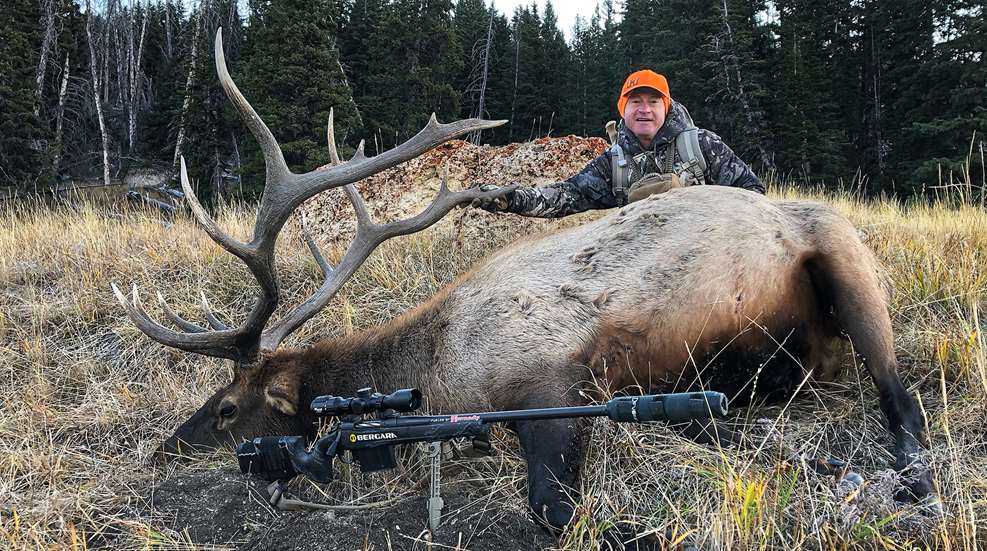
American Hunter is not the church, but here I am confessing anyway. I have a passion for elk. It’s probably more than a passion (no intervention yet), but nevertheless, a couple decades back, with my urging, our family uprooted from the outdoor heaven of South Dakota to jump borders into next-door Wyoming. My wife was more than willing to adopt a change in lifestyle. My reason was simple: I wanted to live near the mountains and hunt elk as much as possible.
South Dakota has excellent elk hunting, and in my younger years our family property in the Black Hills provided a base camp for my first two bulls. Had I been able to draw a tag every year or three in the state, I might have stayed. Back then you maybe had a chance to draw a tag possibly every 10 years while today most of my friends wait more than 20 years to draw. Life’s short. Who has time for that?
With my move to Wyoming, I am assured (for now) of being able to draw a tag every year due to a series of units established as general resident units or over-the-counter (OTC) units. Even many of the permitted units do not take years to draw, and that is with residents not having a preference point system. Gotta love Wyoming!
As an independent contractor, I can live about anywhere and write in my boxers at home. Thus, the move to Wyoming was not overly problematic. Most of you do not have that freedom. Established careers, family, older children and, of course, budget all rein in thoughts of moving somewhere for a hunting objective. With those parameters it still is possible to hunt elk every few years by establishing a sound plan to draw elk tags. Heck, even living within minutes of elk meccas, I still purchase preference points and apply in a half dozen states each year for elk (and other big game). Thinning hair on the outside only serves to advertise the joint deterioration on the inside. In brief, my body is not getting any younger and the elk mountains are not getting any shorter. If you wish to hunt elk like me, start your elk plan now to win the West’s best prize!
What Do You Want?
Sure, you want to kill an elk, but elk hunts range from easy ranch truck hunts to extreme pursuits you might recall from a hunting nightmare. A common, reoccurring theme throughout this article will be your budget. Unless you know someone or have a relative holding the deed to a large parcel of private elk land, expect to pay highly for a leisurely truck ranch hunt. You’ll also pay highly for a DIY, public-land hunt, but the fee will come in the form of bodily pain and anguish.
Let’s start with an even easier question: Are you looking for antlers or merely meat? One of my friends commented recently he would like to shoot just one quality 6-point bull before he dies while another friend of mine loves grilling; a plump cow would suit him and family needs for months.
Instead of logging into Netflix, a few of your evenings need to be spent researching with a focus on your elk goal. Drawing a bull tag in a quality unit known for mature bulls and a high bull-to-cow ratio either takes thousands of dollars to purchase landowner tags or years of applying. Antlerless tags, on the other hand, often can be drawn every year and even purchased in leftover drawings after the main draw. So to reiterate, what do you want?
One important aspect to remember is to check state regulations to ensure you do not burn your preference points (discussed later) if purchasing antlerless or leftover tags. It would be a bummer to find out your 15 accumulated points suddenly disappeared in a rush to buy a leftover cow tag.
Finally, antlerless tags do have merit for filling freezers and for learning elk country. During the course of any elk hunt you begin to learn country, understand regional herd behavior and work out the bugs for future hunts, including camp and seasonal weather challenges. Antlerless or leftover tag hunts are time well spent to acquire a winter meat allotment, or prepare for a future antler hunt.
There are Financial Advisors ... Why Not Elk Advisors?
I appreciate a call from my financial consultant updating me on my retirement earnings or forewarning me of a drastic change about to occur in my portfolio. I have turned to hunting consultants for similar advice. Consider a consultant if you keep a separate and stable savings account for hunting needs.
Consultants can help you focus on a target for your overall elk goals. Better yet, such people understand the application landscape that is more challenging than most elk hunting terrain. These challenges include application deadlines, units, license types, payments, general license purchases and insight on top trophy units, sleeper trophy units and public-land opportunities with high success rates, bull or cow. Many consulting businesses even float your license fee until the draw is over. You merely pay their application processing fee up front.
If you draw the license the services don’t end there. Consultants can team you with a qualified outfitter, suggest drop-camp options and answer specific DIY questions about units. Some consultants also, as part of their outreach, offer past client references to confirm findings or plan your own DIY hunt with the help of those who have been there and done that.
I split my application responsibilities with my consultant at Worldwide Trophy Adventures (worldwidetrophyadventures.com). I oversee a handful that I have become familiar with over the years and they manage the rest. The relationship allows me to have control over states I intimately know and save a few bucks while they sweat the details on some of the more complicated elk license processes. In 2023 I drew a coveted Arizona archery elk tag and was successful with consultant help. I’m now eyeing Nevada, Utah, Montana and Colorado premium draws in the next several years while I hone my elk skills in Wyoming annually.
Earn Reward Points Without a Credit Card
Are you sold on an elk advisor yet? Spending money for an advisor makes sense if you do not have time in your busy schedule and if you have funds for that dedicated expense. Whether you go the consultant route or DIY for formulating your next elk hunt, you must purchase preference points. Check state regulations. Many states now allow you to purchase points without applying. Build toward your hunt because OTC is going away.
The latest is Idaho. It recently announced it is eliminating its OTC nonresident elk and deer tags, and replacing it with a drawing system. Like New Mexico, Idaho does not currently have plans for preference point positioning to better your draw odds. That noted, nearly every other elk state has a preference-point system in place, and you need to pay to play the elk game.
Plain and simple, if you do not begin purchasing preference points do not expect to hunt elk regularly. I have a couple of stubborn friends that refuse to engage in the preference-point systems, leaving them few options except to pay for higher-priced hunts via landowner tags or on leased lands in units with higher drawing odds. Either way they pay!
As a closing note on preference points, look into your family crystal ball. Do you feel your kids or grandkids will be future elk hunters? If so, begin purchasing their preference points for elk (sheep, moose, deer, etc.) ASAP! Again, check state regulations. Building points early allows them to hunt elk with a young body and sets up a rotational schedule to have an opportunity to hunt elk every few years if they maintain their preference point portfolio.
Earn a Merit Badge and Scout Hard
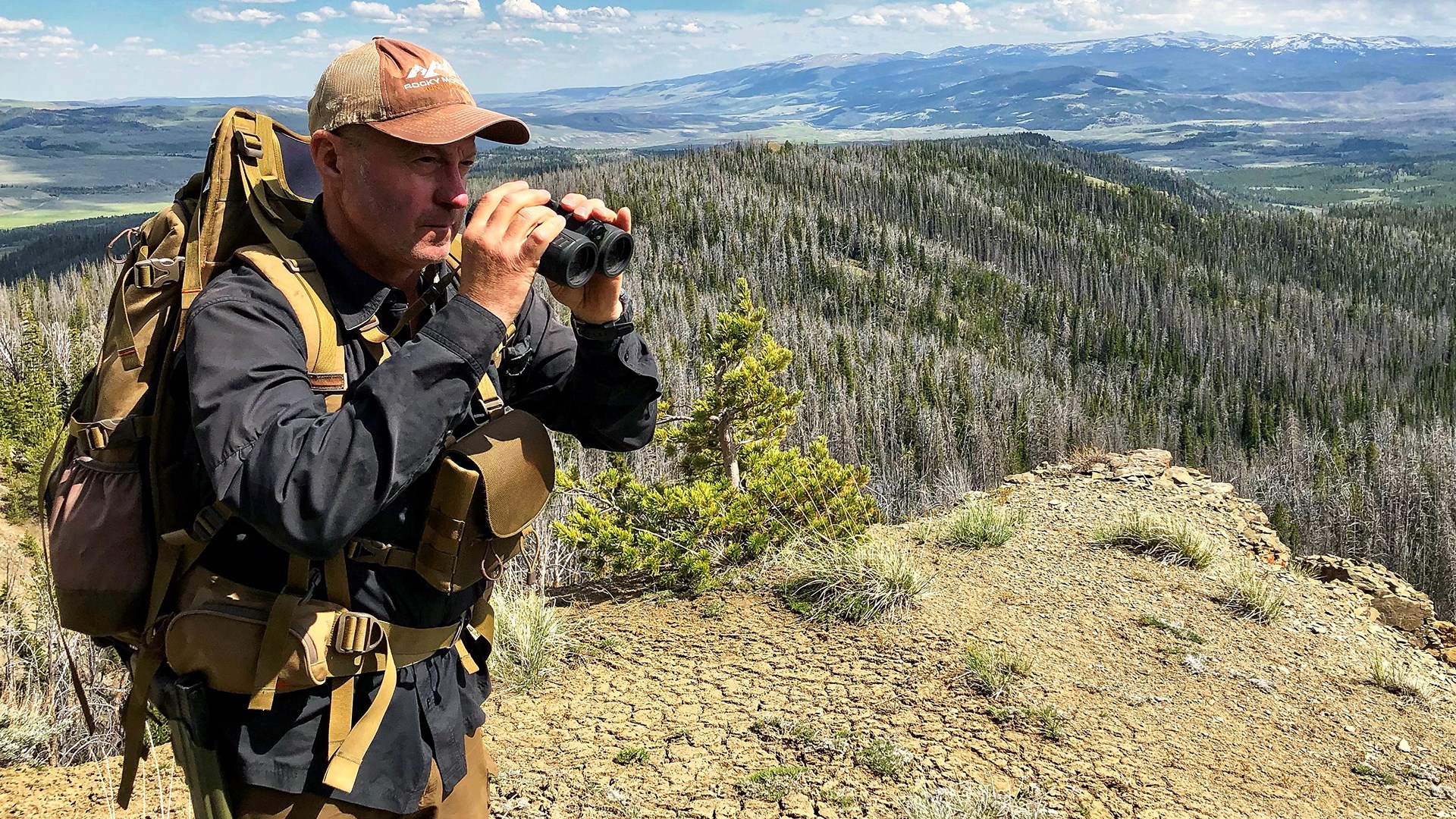
Say you played the preference point game and now have high expectations to draw a tag soon. Months and years beforehand, scout. Having a unit in mind gives you the foundation for advanced scouting. Maybe a friend or hunting partner put you on the track of a particular unit or even a consultant suggested it. Wherever the lead originated, begin devouring all information available from your initial tipster, trusted online sources, forum chatter and regional game-and-fish personnel.
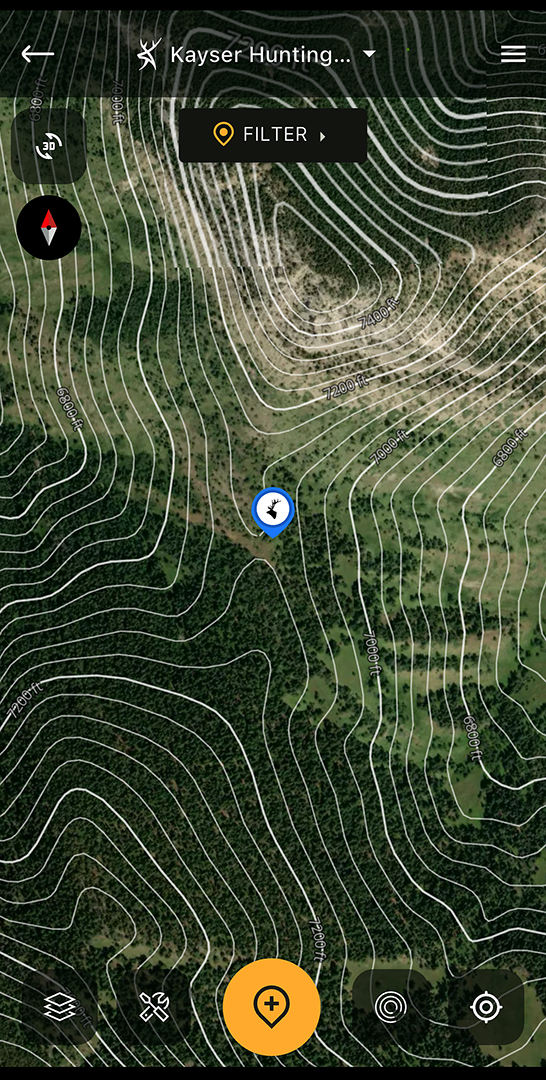
Simultaneously, use your hunting app (I use huntstand.com) to memorize the unit boundaries, access points, roadless areas and, most importantly, sanctuary zones where elk may escape. These sanctuary zones could be wildlife habitat areas, private ranches or even low-elevation suburbia. Winter could be the driving force of elk herd movement, but in the modern world elk receive an equal incentive from public-land hunting pressure. Elk leave the high country, backcountry and prime elk habitat on a whim when they feel pressure. In many areas, elk migration has become skewed and some elk herds no longer migrate to traditional summer mountain haunts, preferring to stay in safe zones where they occasionally hear, “Fore!”
I’ll say it again, pay particular attention to units with large amounts of private land able to support large numbers of elk and off limits to most hunting. Expect elk to already know of their whereabouts and have a fast-track mindset to reach those boundaries as the off-road vehicle whine of hunting season kicks off. Just because elk scram to these refuges doesn’t mean they stay there. During the rut satellite bulls wander between elk herds, occasionally straying onto public lands. Find slivers of accessible public lands between private ranch estates to set up an ambush.
Also familiarize yourself with how a state is applying the recent Supreme Court decision to side with the 10th Circuit Court filing on a Wyoming corner-crossing case. This is the act of crossing between public parcels where they meet on a corner. Courts supported hunters, and the decision is opening more public land, but be aware of state support for the act. Know your exact GPS position while hunting!
Over the years I’ve also tried to hunt units that have posted reliable elk numbers yet have little private land within dozens of miles of the unit. This forces elk to stay on public land, and their only resort for safety is to seek country that makes you nervously apprehensive. After a thorough investigation at home, plan a summer trip to your unit and keep the knowledge flowing.
While You’re At All This, Get in Shape!
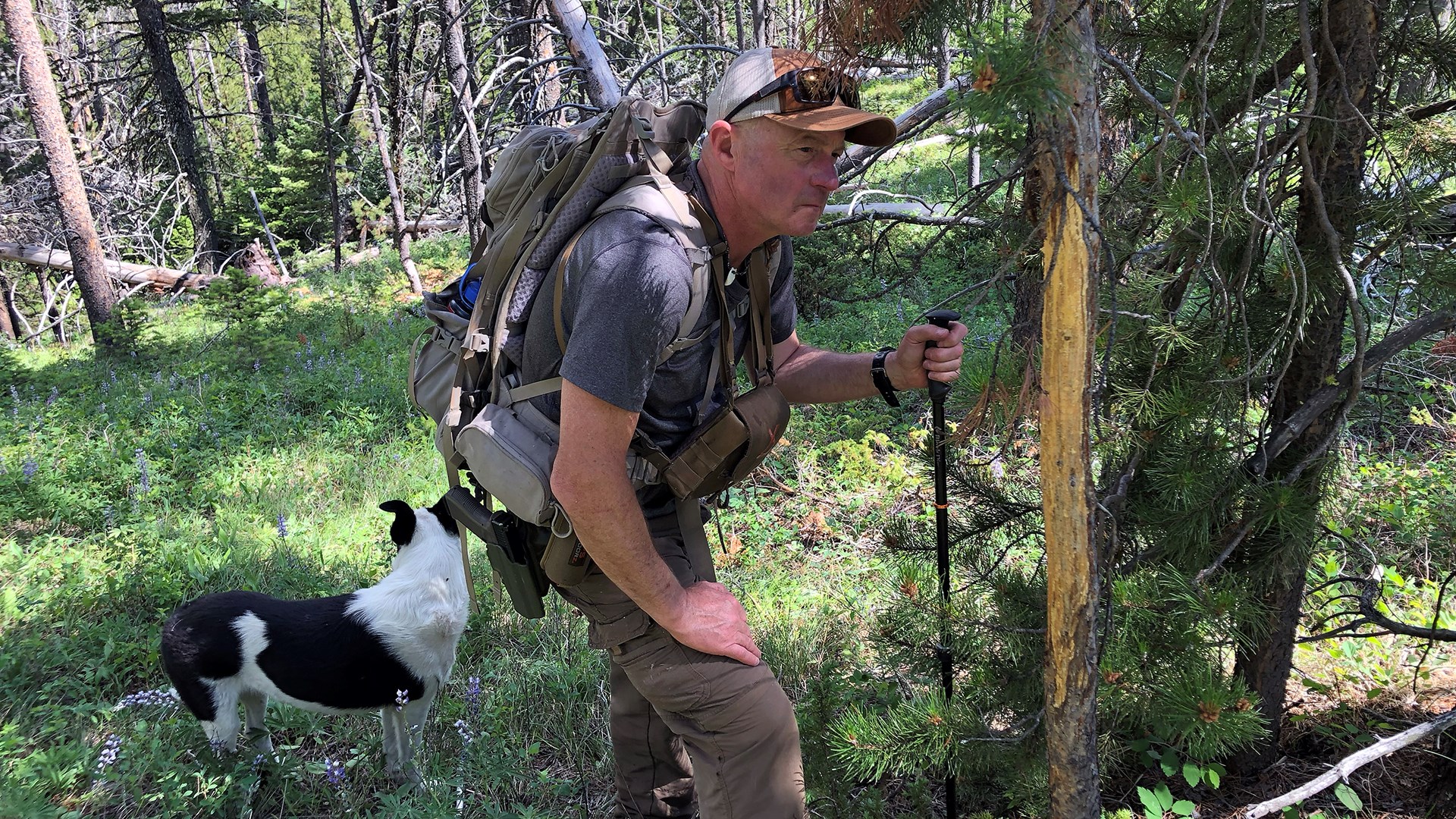
Most elk hunts, save for those ranch truck hunts that typically cost you the price of private college tuition, require you to be fit. RFK’s mission to get America back in shape just kicked off and you need to embrace the movement for elk hunting success. Extra pounds and lapses in exercise do not add up to RFK’s goal or the goal of elk success. If you’re already in shape, congrats. For the approximately 70 percent remaining population of elk hunters, consult with your physician about developing a workout program that lasts years while you work on acquiring tags.
My average elk day consists of approximately 1,000 to 2,000 feet in vertical elevation gain, hiking 4 to 8 miles and, during late season, nearing hypothermia numerous times throughout the day. Some days the elk give you a break and are found in easier-to-access locations, but those days are rare on public lands these days except in a few premium units that require 20 years of preference points for admission.
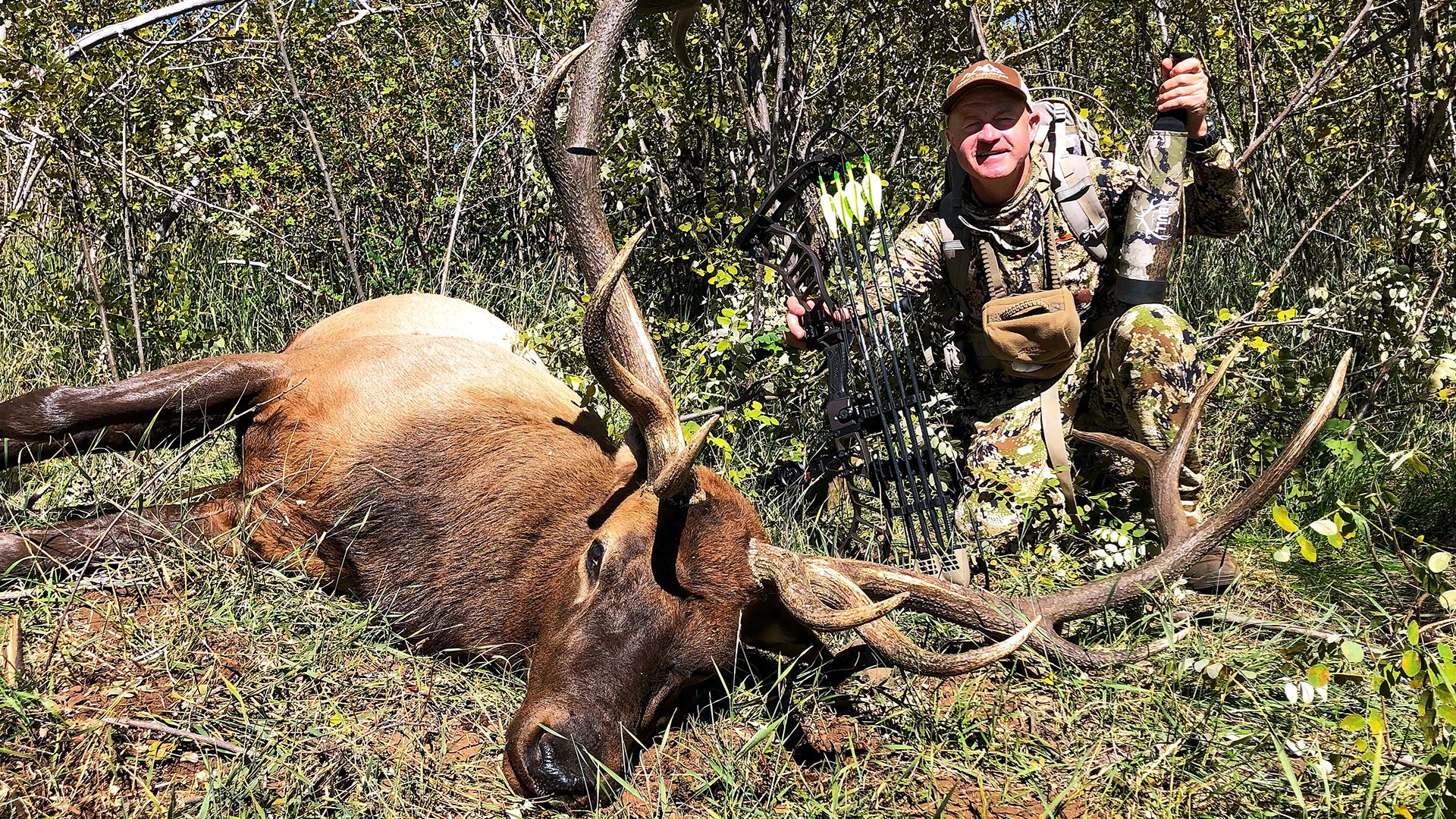 Application help from Worldwide Trophy Adventures and 18 years of preference points helped the author hang a tag on a 2023 Arizona bull, but the real work behind any elk hunt begins with staying in shape and scouting early and often.
Being in shape does not require steroids or testosterone shots, but does require you to be able to stay in the chase for up to a week or more. Being physically fit also aids you in being mentally fit to continue the hunt. If you go into an elk hunt in less-than-ideal shape the drain on your body affects your mindset to continue the grind day after day. You may eventually hit a wall, but being in fair shape could add another day or three to your hunt. More than half of my successful archery or firearm hunts came together in the closing days, not the opener. Trust me, the willpower to stay in the game was mind over matter. Being in good shape helped me get over many a mountain to continue the hunt.
You may not be able to uproot you, your family and business to live in elk country, but you can chart a course to successive elk hunts in the future. Quit dreaming and start planning to win the West for elk!
Editor’s Note: For hunting tactics and adventures, join Mark on Instagram at instagram.com/kaysermark and Facebook at facebook.com/markkayseroutdoors.
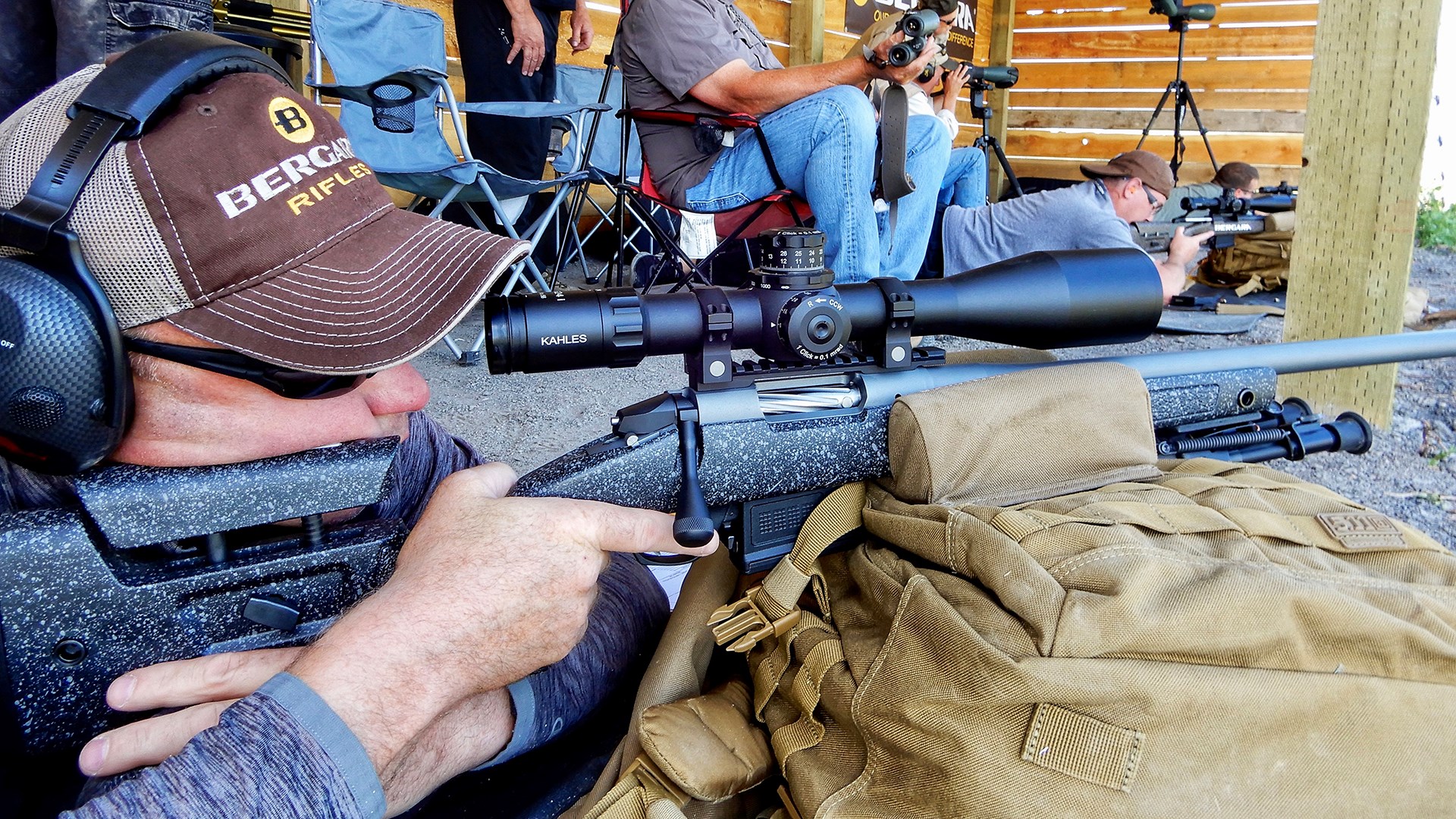 Your offseason schedule should include a plan to stay in shape and regular sessions behind your rifle.
Make the Shot Count
With an elk plan firmly in place, do not overlook the shooting aspect of the hunt. Elk thrive in unforgiving terrain that changes shot scenarios with every few steps of your boots. You will be dealing with changing shot angles, varying distances and attempting a shot while battling extreme fatigue.
For archers, I recommend practicing in uneven terrain on 3D targets when possible. To add some realism, don a weighted backpack and jog between shots. Uphill, downhill and flat shots from 10 yards to your comfortable range need to be practiced. Working in a competitive 3D contest also aids in calming nerves.
For rifle hunters, do the same and, like bowhunters, be prepared to shoot all ranges. Last season I tagged my rifle bull at 52 yards in dark timber while my son shot his at more than 400 yards on a straight-up, open slope. Both bulls fell to Hornady’s CX bullets designed for high- or low-velocity expansion.
If your firearm shooting range has distance limitations or it’s simply too crowded from too many users, consider a week at a shooting school. Several years ago, I attended the Bergara Academy at their Belt, Mont., campus. Professional instructors run you through days consisting of classroom information backed up by real-world shooting with distances extending well beyond 1,000 yards. You learn the fundamentals of long-range knowledge, shooting form, trigger control and reading the wind, plus more. You can add fly-fishing or prairie dog hunts to extend your experience. And if you happen to have a Western elk hunt in mind, there’s no reason not to add a few days for firsthand scouting. It’s money and time well spent for your elk memories. The Bergara Academy Long Range Shooting School operates in Montana and Wyoming.
Most Popular