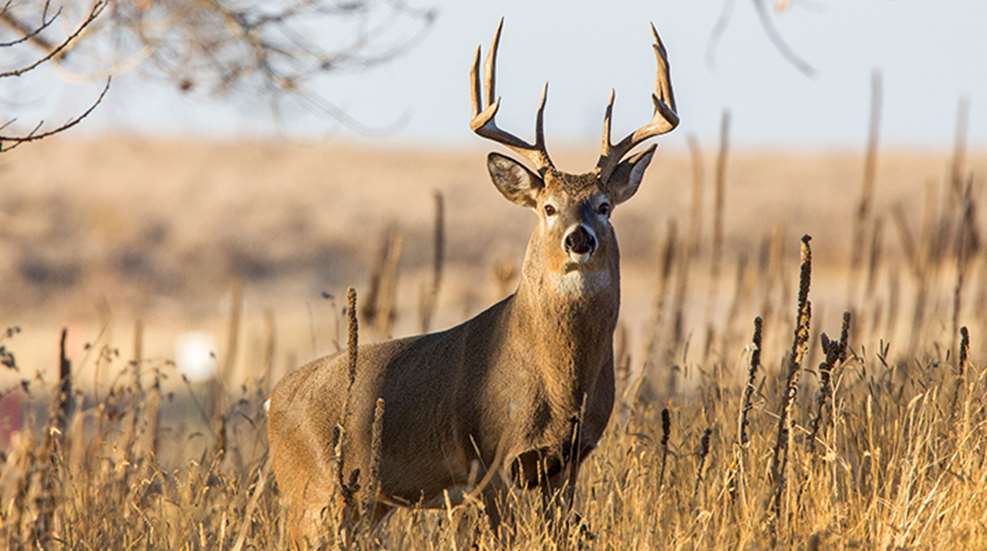
Deer hunting experiences vary from state to state. Some are worse than their reputation. Others live up to their name and nothing more. But some are completely underrated. Here are 13 of those.
The Northeast
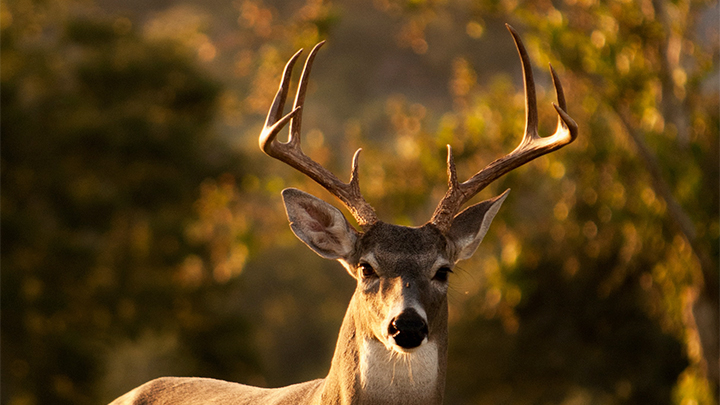
Starting in the Northeast, this region is known for big woods, rolling hills, rugged mountains, broken ag ground and even weirder places, such as oceanic islands. There are some big deer in all of these, and high deer densities, too.
1. Delaware first on the list. It’s a great place to hunt whitetails. Most of its truly big bucks come from Sussex, New Castle and Kent counties. Some of its public lands have antler restrictions, too, meaning that some bucks make it to older age classes.
• Deer Population: 46,000
• Hunter Numbers: 19,500
• Resident License: $92
• Non-Resident License: $314.50
• B&C Entries: 30
2. Most people don’t associate New York with good deer hunting, but it has it. The state has about 4 million acres of public lands, high deer densities, quality age structures and more. Some of the biggest deer are taken in Allegany, Cattaraugus, Chautauqua, Erie, Genesee, Monroe, Niagara, Ontario, Orleans, Steuben, Tompkins, Wayne and Wyoming counties.
• Deer Population: 1 million
• Hunter Numbers: 550,000
• Resident License: $47
• Non-Resident License: $140+
• B&C Entries: 135
3. Maryland is another overlooked northeastern state. It’s relatively small, but has a bigger deer herd than one would expect. It too has plenty of public lands to roam. Consider Anne Arundel, Charles, Kent, Montgomery, Prince George’s and Queen Anne’s counties for the biggest deer.
• Deer Population: 232,000
• Hunter Numbers: 57,000
• Resident License: $24.50+
• Non-Resident License: $130+
• B&C Entries: 112
The Southeast
Those who spend time in the Southeast understand just how difficult it is to hunt. Vast swathes of forested ground offer a lot of places to hide and many options for hunters to sit. It’s truly a needle-in-haystack situation. But if you find a good spot, it’s oftentimes great.
4. Georgia is no exception. It has better deer hunting than the states to its east, west, and south. For the biggest bucks, Colquitt, Dooly, Dougherty, Fulton, Macon, Worth and a few other counties offer the best opportunities. The state also has a lot of public lands.
• Deer Population: 1 million
• Hunter Numbers: 250,000
• Resident License: $42.50
• Non-Resident License: $327.50
• B&C Entries: 239
5. Tennessee is another state that gets less press than it deserves. While it does have chronic wasting disease (CWD), it’s confined to the northeastern corner of the state. Beyond that, it has good deer numbers, plenty of big ones, and even has an early season velvet hunt. Davidson, Dyer, Haywood, Lake, Lauderdale, Montgomery, Robertson, Shelby, Stewart, Tipton, Williamson and a few other counties tend to produce the biggest bucks. But don’t forget about its statewide public lands program, too.
• Deer Population: 700,000
• Hunter Numbers: 165,000
• Resident License: $68+
• Non-Resident License: $305
• B&C Entries: 79
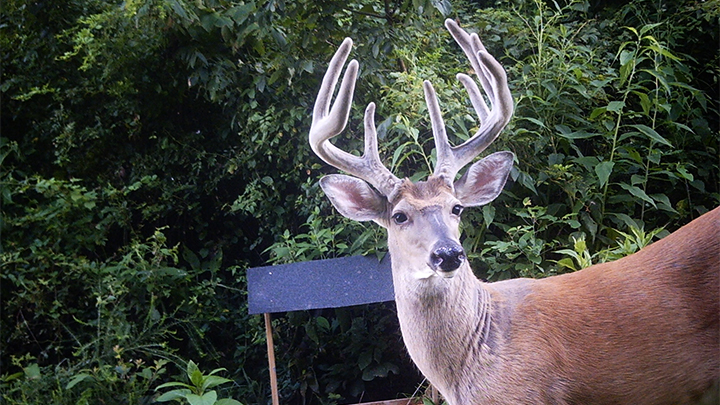
6. The mighty Mississippi might just be the best state in the South. It’s covered in diverse habitat, most of which is early successional cover that deer need to thrive. Consult a soil map to find the biggest bucks. The best places for each are generally one in the same. Some public lands are in these areas, too.
• Deer Population: 1.5 million
• Hunter Numbers: 100,000
• Resident License: $25+
• Non-Resident License: $300+
• B&C Entries: 186
The Midwest
The Midwest truly does live up to its name. It’s the land of giants, and opportunities abound. Places like Illinois, Iowa and Kansas are full of big-buck potential. But the secret is out on these places. Others? Not so much.
7. Indiana is the most underrated state in the region. It’s an untapped destination and sees less non-resident interest than most midwestern states. Big deer are everywhere here, but DeKalb, Harrison, Franklin, Jasper, Newton, Noble, Parke, Ripley and Sullivan offer excellent track records. The state has a decent number of public lands, too.
• Deer Population: Unknown
• Hunter Numbers: 215,000
• Resident License: $24+
• Non-Resident License: $150+
• B&C Entries: 871
8. Nebraska is better known, but it still qualifies as underrated. It’s an incredible place to hunt, especially during the early season. Deer numbers are great, and the age structure is solid. It doesn’t have a lot of public land, but what’s there is good. For top-end bucks, focus on Cass, Cedar, Dodge, Douglas, Furnas, Gage, Holt, Jefferson, Johnson, Keya Paha, Lancaster, Lincoln, Nemaha, Otoe, Pawnee, Richardson, Sarpy, Saunders and Washington counties. These put more in the books than any others.
• Deer Population: 280,000
• Hunter Numbers: 130,000
• Resident License: $62+
• Non-Resident License: $267+
• B&C Entries: 373
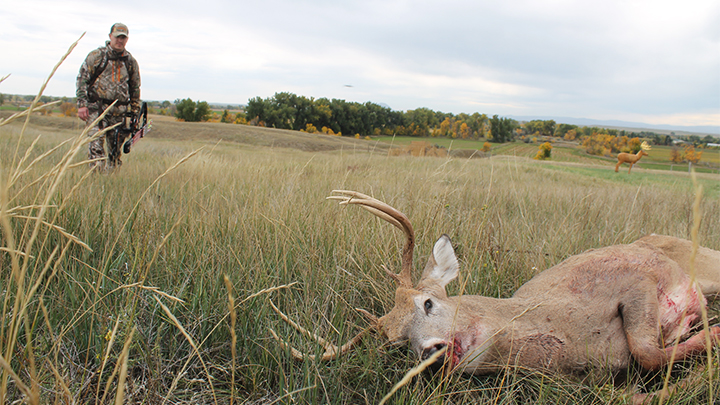
9. Ohio might not classify as the sleeper it once was—the word is getting out—but it’s still not appreciated like it should be. This place is packed full of mature bucks. It also offers an abundance of public land. And for the biggest deer, Adams, Butler, Coshocton, Franklin, Highland, Licking, Muskingum and Summit are hard to beat.
• Deer Population: 750,000
• Hunter Numbers: 425,000
• Resident License: $50.20
• Non-Resident License: $257.92
• B&C Entries: 1,118
The Northwest
Deer aren’t the first to come to mind when discussing the Northwest, but they’re there. And some states offer untapped potential that most hunters aren’t aware of.
10. Idaho is the best whitetail state in the region. Tags are on a first-come-first-serve OTC basis, but a limited number are available. It has one of the best hunter-to-deer ratios in the country. It’s 70 percent public land, too, which means plenty of ground to roam on.
• Deer Population: 200,000
• Hunter Numbers: 25,000
• Resident License: $40.50
• Non-Resident License: $456.50
• B&C Entries: 96
11. Washington is another sleeper. The whitetail population isn’t high, and it’s limited to the eastern portion of the state, but the ones that are there are big. Public lands are limited within the whitetail’s range here, but a few opportunities exist. Overall, Ferry, Stevens, Pend Oreille, Spokane and Lincoln counties offer some of the best whitetail hunting.
• Deer Population: 105,000 (whitetails)
• Hunter Numbers: 150,000 (blacktails, mule deer, and whitetails)
• Resident License: $45.40
• Non-Resident License: $434.80
• B&C Entries: 64
The Southwest
Most hunters don’t consider the Southwest as a viable whitetail region, but it is one. This part of the country has plenty of potential, and some that few hunters recognize and benefit from. It’s a unique place to hunt.
12. Arizona is the best place to hunt the fabled Coues whitetail. These aren’t giant deer compared to the Texanus subspecies, but they’re cool. Units 22, 24A, 29, 31, 33, 34B and 35B are some of the best places to try. Most of these are hunted between 3,500 and 7,000 feet of elevation.
• Deer Population: 95,000
• Hunter Numbers: 65,000
• Resident License: $58
• Non-Resident License: $315
• B&C Entries: 499
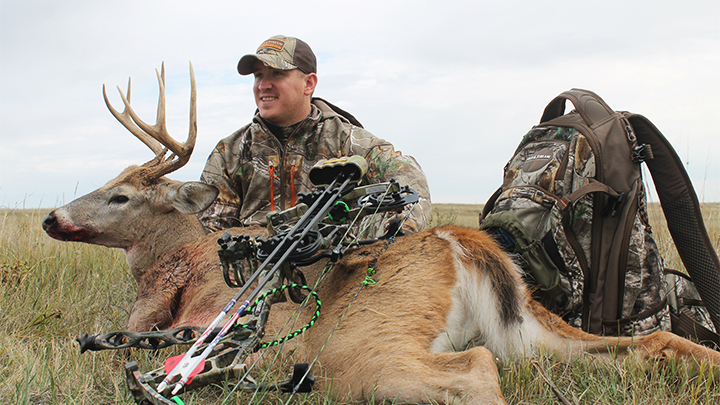
13. Some might not consider Oklahoma part of the Southwest, but it’s much more like Texas (also Southwest) and other nearby states than the Midwest. And so, it’s the most underrated state in the region. It has plenty of deer, numerous big deer, and lots of public lands to try. Overall, the most record-book bucks come from Comanche, Hughes, Love, Osage, Pittsburg, Pushmataha, Rogers and Woods counties.
• Deer Population: 700,000
• Hunter Numbers: 460,000
• Resident License: $45
• Non-Resident License: $300
• B&C Entries: 251
All in all, some states just don’t get the respect they deserve. That’s the point of this roundup. And who knows, you might even find an overlooked honey hole because of it. Good luck this fall and winter. Make it your best season yet.