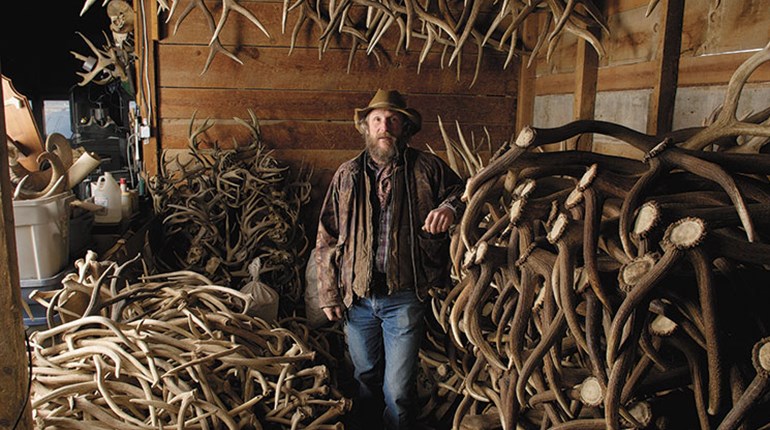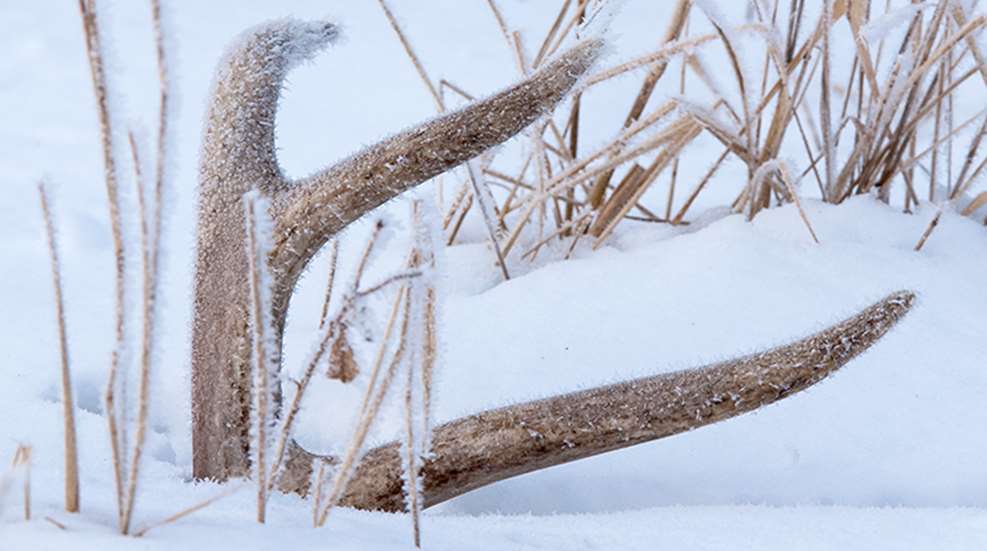
Hunting for shed antlers, particularly those from whitetails, has grown steadily in popularity over the last 10 years. In fact, Whitetail Properties, a real-estate company specializing in hunting properties, started an annual event a few years ago called #ShedRally. On the selected day, usually in early March, antler-hunting enthusiasts across the country head out as though it’s a holiday to add to their collections and document their finds on social media.
While there are no longer many secrets when it comes to successful shed hunting, here are a few tactics you can employ to not only increase your annual antler haul, but find the headgear of a particular buck, or bucks, you may be targeting as well.
Use a GPS Unit
As much as you think you might know the property you’re searching, it’s almost impossible to remember exactly what areas you’ve covered. Sheds are small and not easily seen in most cases unless you nearly step on one. A GPS unit’s track function will give you visual evidence of the areas you’ve already hit, helping you save time while also providing reassurance that you didn’t miss anything. Take extra batteries along because GPS units can burn through them quickly, and a shed-hunting outing can last for several hours.
Resist Pulling Trail Cameras
While most people use trail cameras primarily for scouting prior to and during the hunting season, do yourself a favor and leave them in place until early spring. In addition to helping you understand when most of the bucks have dropped their antlers, they can also help you home in on that buck you didn’t tag last fall.
During the winter months, especially in northern climates, deer shrink their home ranges significantly and often bed in virtually the same areas routinely if there is a reliable food source nearby. The better understanding you have of where your target buck may be bedding, the higher your odds of recovering his rack. I used this tactic to my advantage in 2014 when I found both sides of a 160-inch buck’s rack lying side-by-side in one of his beds. I had been hunting the deer for two years, and getting my hands on his shed antlers was about as exciting as hanging a tag on him.
Reduce Your Search Area
One of the biggest mistakes novice shed hunters make is trying to cover too much ground too quickly. After as little as an hour without having success, it’s human nature to get bored and begin feeling a sense of disappointment and urgency. A fast shed hunter is a bad shed hunter. You probably don’t want to know how many sheds you’ve already walked by because you were in a hurry.
Break your properties into smaller quadrants, and search only a couple of quadrants per day. This will help you avoid shed-hunting fatigue. Staying focused lessens the chance you’ll miss a shed.
Keep At It
There is no secret to finding more sheds: The most proven tactic is simply a will to work hard at it and put in the time. Good shed hunters are exhausted at the end of a search, and they never take shortcuts. To make your hunting experience more enjoyable and productive, wear comfortable boots and clothing, and have lots of snacks and drinks on hand.