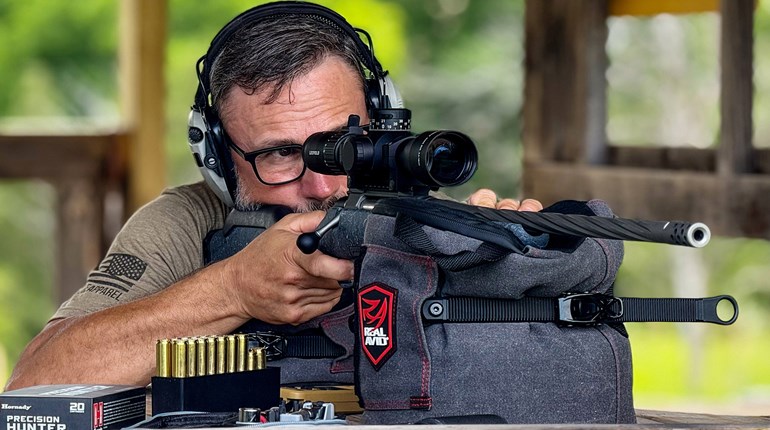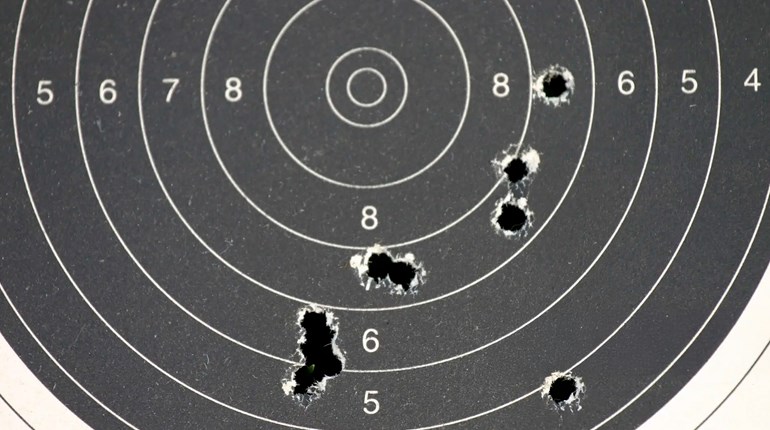
 As we are on the cusp of another hunting season, we might want to examine some of our individual shortcomings regarding shooting and see whether we can improve on them. In order to do that, we need to define what makes a good shot—more specifically, what makes a good field shot?
For the purposes of this discussion, let’s define a good field shot as a person that make a killing shot on a game animal from any field position 95 percent of the time or better. That’s a pretty high level of expectation—or is it? In reality our good field shot has practiced enough to know his limitations. He has shot from all the field positions at paper targets and knows pretty well where his marksmanship lags and at what range. Moreover, he has the self-discipline to turn down chancy shots. Sometimes this knowledge has come from making poor shooting decisions, analyzing those decisions and reevaluating one’s own skills.
Marksmanship is not a stagnant skill. Its competence comes from many factors, among which include sight picture, trigger control, breath control, range estimation, familiarity with one’s firearm and load and an accurate self-appraisal of one’s skill. Marksmanship is also an athletic endeavor. All other things equal, the better shape you are in, the better your accuracy will be. As an example: At one time I could shoot from the sitting position with a tight sling nearly as well as I could from a bench rest. Age and an artificial hip now prevent me from getting into a sitting position in the field. I simply don’t bend as well as I once did.
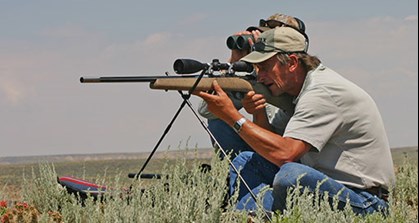
This has forced me to reevaluate my field shooting. Today I never go afield without a set of shooting sticks. While not as steady as the old sitting position with a tight sling, shooting sticks help me immeasurably in steadying me in positions that I can get into. Yes, the range has shortened. I no longer attempt many 400-plus-yard shots. But I do make nearly every 250-yard shot I take.
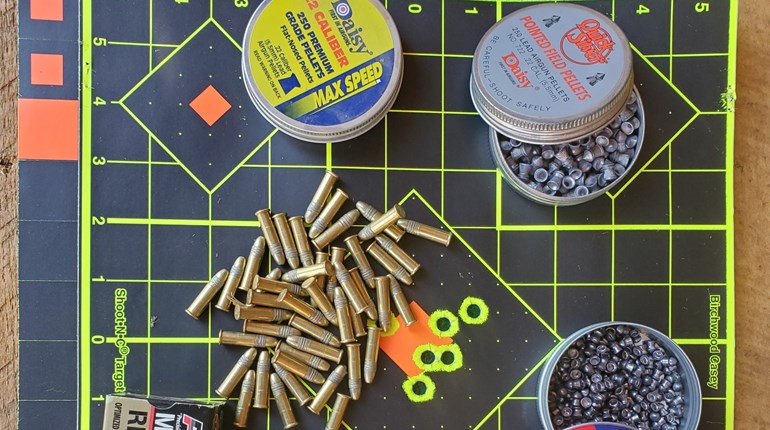
Now might be a good time to head to the range and see how well you shoot from field positions. Yes, ammo is expensive and hard to find, but you can compress the range by using rimfire ammunition at shortened ranges on smaller targets. We owe that to the game we hunt as well as ourselves.