What Does Hunting Really Do For African Game?

by
posted on July 18, 2014
** When you buy products through the links on our site, we may earn a commission that supports NRA's mission to protect, preserve and defend the Second Amendment. **
bs_2015_fs.jpg (7)

undefinedThe Question
We’ve all heard, discussed, and repeated the claim that “hunting is good for the species,” but how long is it before those benefits are seen? Can you provide a simple real-world example?

The Background
Charlton McCallum Safaris operates in the Dande Safari Area in Zimbabwe. It’s no secret that Zimbabwe has faced serious poaching problems over the past decade and that the few places where poaching is kept to a minimum is in the areas actively sport hunted.

The Simple Real World Example
A few years ago, when CM Safaris took over the Dande East concession, there was little game except for elephants due to rampant poaching. To combat the poaching and protect their investment, CM Safaris formed the Dande Anti-Poaching Unit (DAPU). This privately-funded enterprise had a simple mission: protect the wildlife in Dande from illegal poaching. CM Safaris and DAPU have removed over 3,000 wire snares from Dande East and aggressively pursued the poachers setting the snares. To provide a financial incentive, $2 per snare was paid as a bounty.

The Result
In just 4 years, Dande East went from a barren landscape devoid of animals to a viable hunting block. CM Safaris now takes eight Cape buffalo, three sable, and various antelope species each season. This sustainable hunting continues to fund the anti-poaching efforts and creates a fiscal incentive for policing and protecting the land and its wildlife.
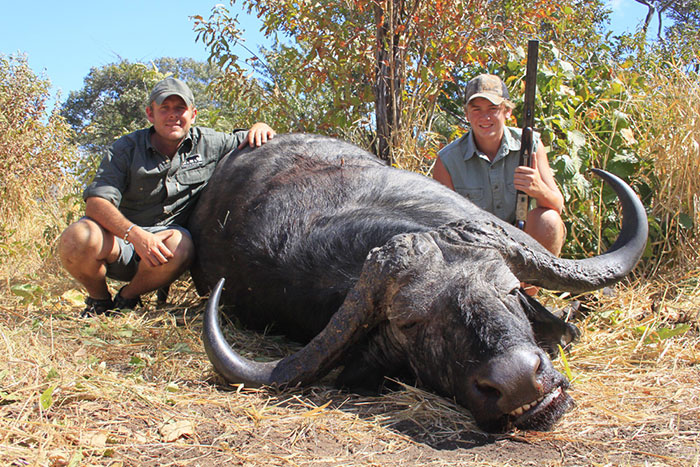


The Payoff
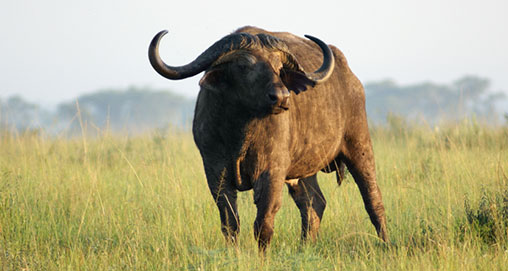
One of CM Safari’s clients recently shot this gorgeous 45” mature cape buffalo bull in the Dande East safari area. This kind of success wouldn’t have been possible without the investment in anti-poaching activities.

Latest

Grizzly Bear In The Water

Will Grizzly Bear Management be Returned to the States?

When the grizzly bear in the Lower 48 was given Endangered Species Act (ESA) protection as a threatened species in 1975, it was supposed to be a temporary protection that would be lifted once populations met or exceeded specific goals. Now more than a half century later and with grizzly populations that have spread and met or far surpassed the goals set in 1975.

New for 2026: Leupold LCO Pro F2 Red-Dot

Leupold & Stevens, Inc. has launched its LCO Pro F2 red-dot sight, combining optical clarity, reliability and purpose-built features in a full-sized red dot.

Member's Best 2026

I am heartened by this year’s entries. In addition to fabulous photographs, almost all of you delivered exceptional narratives of your hunts. We used your very words wherever possible because it’s an honor to see you all rise to such an occasion as sharing a special moment with your fellow hunters. You now know a little bit about what drives an outdoor writer. —J. Scott Olmsted, Editor in Chief

New for 2026: Vortex Crossfire II

Available with either a red or green dot, the Vortex Crossfire II Red Dot lineup brings added function to the Crossfire series.

USFWS Proposes New Grizzly Bear Management Rule

On July 17 the U.S. Fish and Wildlife Service (USFWS) published a proposed rulemaking change on the Federal Register that, if approved, would allow western states to better manage their grizzly bear population. Despite their burgeoning population the big bruins remain on the “endangered” list under the Endangered Species Act (ESA), a fact that has paralyzed regional conservation efforts, impacted other wildlife populations and dramatically increased human/bear conflicts.

Gear Roundup: Summer Shooting Fun

Looking to up your marksmanship skills this summer, or just plink around for fun? Check out this roundup of gear tailor-made for summer shooting fun.

Interests


Get the best of American Hunter delivered to your inbox.