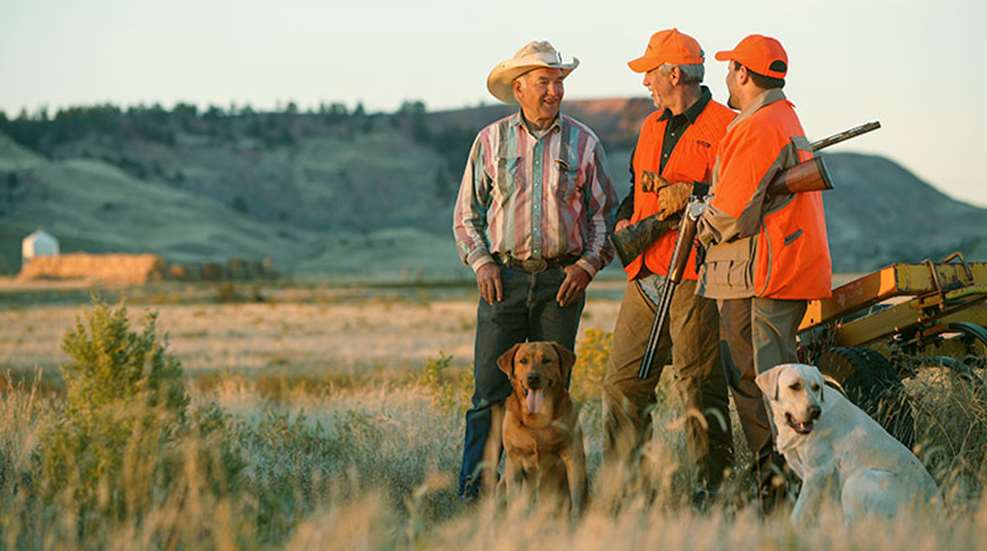
Seeking permission to hunt private land is a lot like a job interview: you better make a good first impression, and you need an edge that elevates you above the competition. But unlike an interview with your potential new boss where you may have an hour to discuss your qualifications, a “may I hunt here?” conversation with a landowner could be limited to 10 minutes or less. Having a hunting resume ready to hand to the property owner will help you make the most of that time and all but ensure you’ll be remembered. Follow these guidelines to write yours.
Keep It on One Page
The last thing you want to do is make it a chore for landowners to grant you permission. Don’t overwhelm them with a multi-page document that looks like a loan contract. A property owner should be able to read your resume in a couple of minutes. Divide it into a few sections, with clear headings and some white space, to make it easy to digest. Consider using a larger than average type size, say 14 or 16 point, particularly if the landowner you plan to approach is a senior citizen.
Include Contact Info
A way for a landowner to follow up with you is the most important information to include on your resume. Put it at the top of the page, and include your full name, the town in which you reside (if not your full address), and your phone number and email address. Your willingness to provide contact info helps establish you as an accountable hunter.
State Your Intentions
This is called an “objective” in professional resume writing. Let the property owner know your goal (hunting permission), but do it in a way that also highlights what your hunting will provide in exchange. For example, beneath my contact info I place this statement: “Seeking recreational hunting permission on your property to help manage game-animal populations in ways that will benefit you, your land and our community.” Such wording could open a conversation; be prepared to explain hunting’s benefits.
List Your Qualifications
I’m not talking about the number of bucks or turkeys you’ve killed here. Your resume isn’t a place to brag, but you do want to show the landowner you’re a safe, skilled hunter. Start by listing the number of years you’ve been a hunter. Your hunter education certification and its number should follow; although such training is common among middle-aged and younger hunters, a non-hunter may not know formal safety training is mandated for these generations. Also list any formal marksmanship training you’ve completed, like that provided by NRA, Gunsite or other schools. Bowhunters should include their International Bowhunter Education Program certification, if earned. Boy Scouts and graduates from a wilderness skills or survival school should mention this. Law enforcement officials, first responders and military members may want to list their professions, as they come with training that could be beneficial in the field. If you have experience hunting in areas or situations similar to those that will be encountered on your goal property—say, hunting around livestock or in suburbia—put it on your resume. Finally, make it clear that you’re happy to provide references from other landowners on whose property you’ve hunted in the past.
Discuss Values
This is optional, but a short statement on why you hunt and what it means to you may help distinguish you from others seeking permission. Make it known that you enjoy taking part in a scientifically proven method of managing animal populations, relish the food it provides for your table, delight in teaching your kids about nature and hunting, etc. Conclude your resume with a note promising to respect the landowner and the property, and to abide by any rules or requests related to access.
Three years ago, having just moved to a new area in Northern Virginia virtually devoid of public hunting land within an hour’s drive, I handed my hunting resume to four landowners. I now have permission to hunt two of those properties—both in a suburban area where hunters are sometimes not welcome. Both landowners who granted me access commented that the resume influenced their decisions. A hunting resume may not guarantee access, but it’s hard to ignore a 50 percent success rate.