Expect the unexpected. That idiom has been repeated forever, but has merit while hunting. A sure way to anticipate the unforeseen in the wilds is to always have survival gear at the ready. Even a minimized kit stowed in your daypack could be a lifesaver when misfortune strikes.
Water/Food
Include the basics in your condensed kit for survival: water and food. Water is your first priority. Your body can nourish itself through self-cannibalism, but you can only last for approximately three to five days without water. An unanticipated fall could require you to survive without help for a day or more.
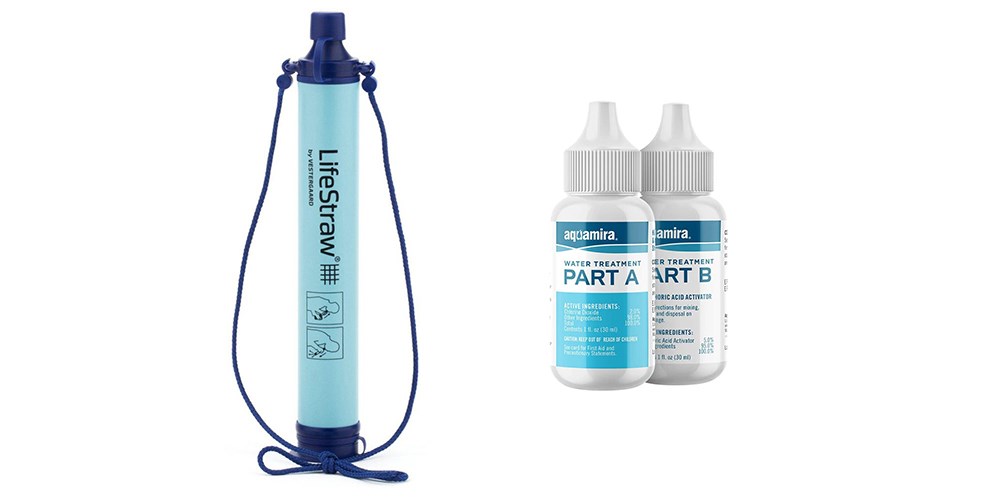
Including a minimum of 2 liters of water along with a compact water filter—such as a LifeStraw—ensures you can stay hydrated until help arrives. Any water source can be made safe via the mini water filter, and it weighs virtually nothing, as does systems like Aquamira that utilize chemical droplets to purify. Stash a couple of extra energy bars in your pack and your tummy might rumble, but those short bursts of calories hydrated with water will appease major hunger until help arrives.
Shelter
Along with the basics of water and food is shelter. Since the kit is to be tucked away in a backpack and stowed behind the seat of your vehicle when not in your pack, think small. A compact tarp easily provides protection from the elements as does a space blanket. Raingear adds another layer, especially if inclement weather is expected.
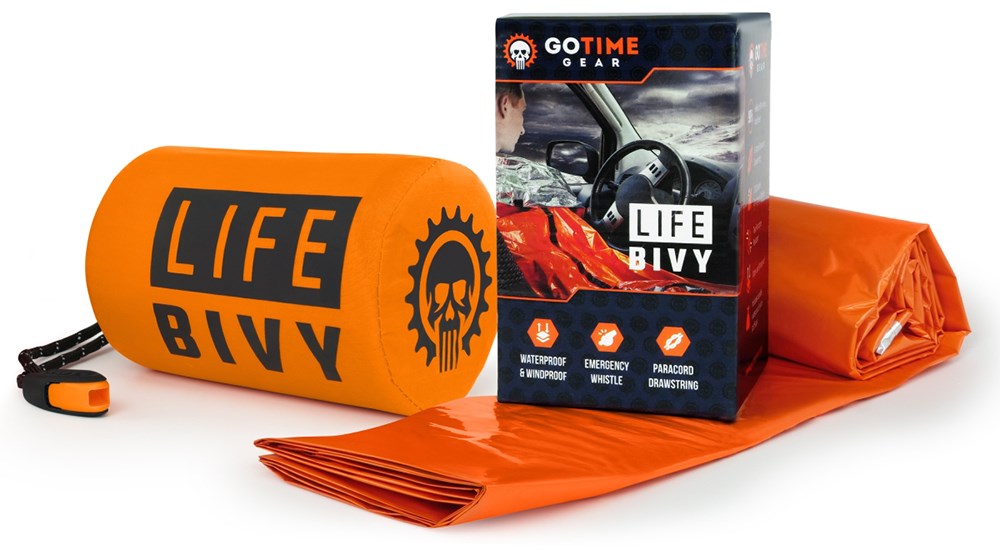
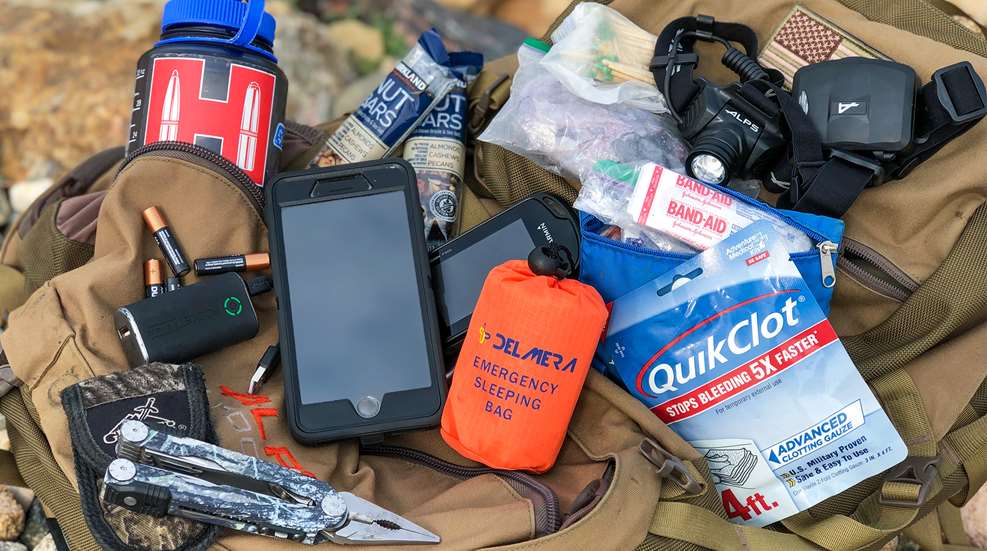
An even better alternative today is a waterproof, compact, emergency bivy bag that you can hold in one hand when rolled up. These systems (by Delmera, Life Bivy and others) provide lightweight shelter that retain 90 percent of your body heat to get you through a long night in the woods.
Stow a fire-starting kit along with the survival bivy. Matches in a waterproof canister, magnesium rods for additional spark and highly flammable tinder such as petroleum jelly soaked cotton balls can warm you while sending a bright signal to any rescuers.
First-Aid/Survival
Basics for survival checked off the list, move on to first-aid. First-aid kits can be comprehensive enough to fill a duffel bag or as condensed as a soldier’s blow-out kit for quick repair of major proportions. Think small, but complete enough for most probable injuries.
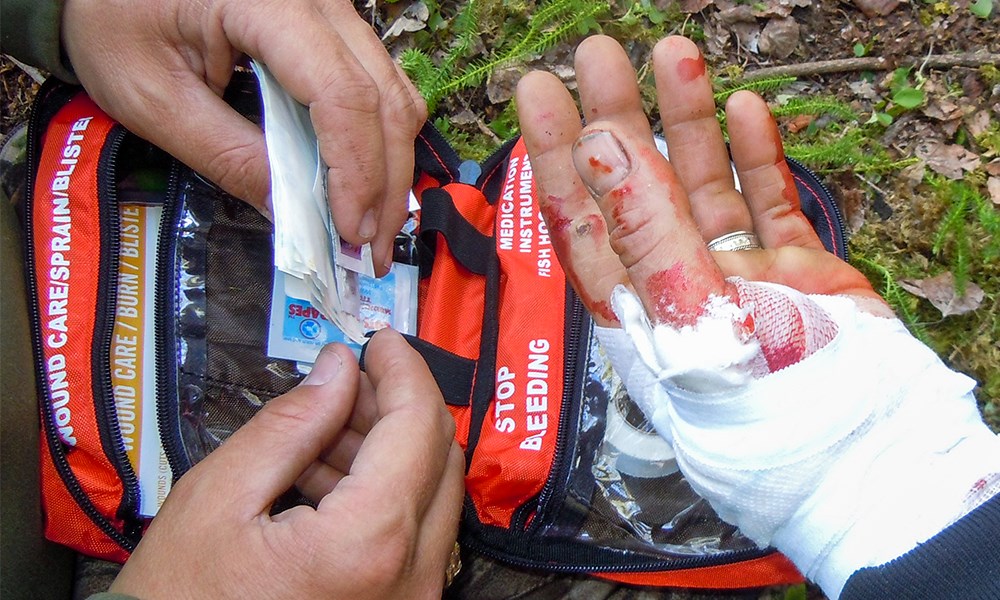
Stock it with a variety of bandage sizes, liquid bandage, gauze, butterfly closures, medical tape and a packet of QuikClot hemostatic devices. Pain reliever, antiseptic wipes and antibiotic ointment also should be included, plus you may want to consider a tourniquet to slow blood loss from a major laceration. Add a small first aid manual for refresher information during the panic of an injury.
Communications/Navigation
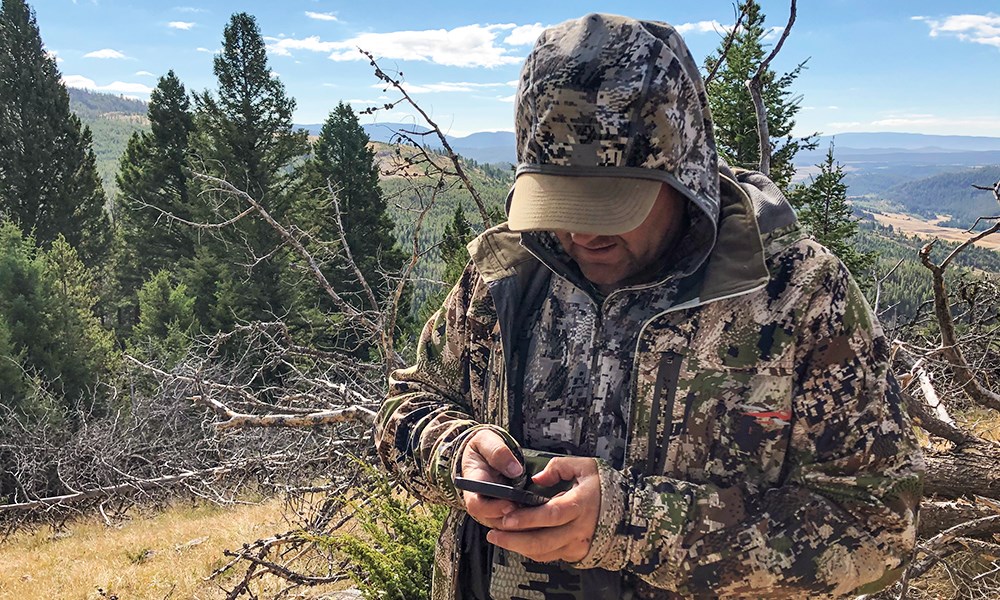
Finally, make sure to always let someone know where you are going and an expected return time, even for brief outdoor excursions. A fully charged smartphone with a hunting app for navigation or GPS with communication capabilities, such as the Garmin inReach, also should be on your person. The Garmin inReach, utilizing satellite technology, is advisable in situations where cellular service may be questionable. Have an extra power source along to re-energize smart technology in extended periods of use, and power down all devices when not needed to conserve battery life.
Round out your kit with a multitool and a flashlight with extra batteries. Fit all of this into a small utility pouch, and remember to take it with you on every outing, short or extended.