Green Energy Backfires on Ducks and Upland Birds

by
posted on November 21, 2013
** When you buy products through the links on our site, we may earn a commission that supports NRA's mission to protect, preserve and defend the Second Amendment. **
dogs_ah2015_fs.jpg (44)

It seems the mainstream media is finally catching on to something that upland bird and waterfowl conservationists have been screaming about for years: Ethanol production is proving disastrous for prairie habitat.

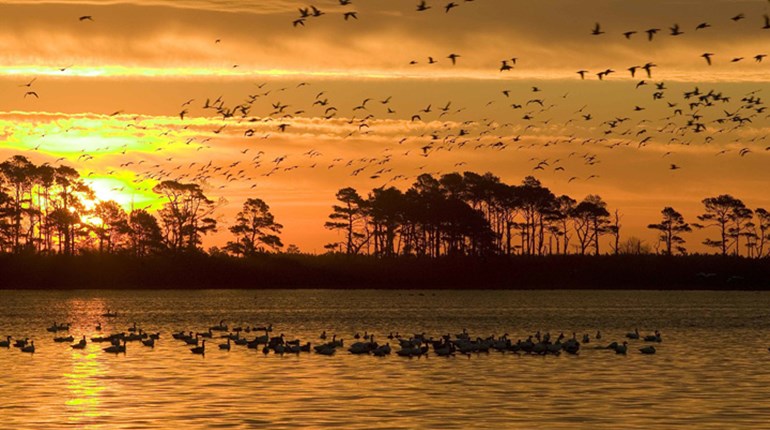
According to calculations by the Associated Press (AP), 1.2 million acres of prairie grassland have already been destroyed by America's "green energy" policy, which requires oil companies to blend billions of gallons of corn ethanol into their gasoline. In fact, fuel—not food—was the top use of corn in 2011, 2012, and nearly 2013. That's driven corn prices sky high (they've more than doubled since Congress adopted the new policy in 2007) and led farmers to do the economically sensible thing: Dig up prime waterfowl and upland bird habitat in favor of planting corn.

“It’s not hard to do the math there as to what’s profitable to have,” South Dakota farmer Robert Malsam told the AP. “I think an ethanol plant is a farmer’s friend.”

The ethanol policy was adopted in the name of fighting global warming, but the farming practices used to generate ethanol may actually increase pollution. According to the AP: "... Plowing into untouched grassland releases carbon dioxide that has been naturally locked in the soil. It also increases erosion and requires farmers to use fertilizers and other industrial chemicals. In turn, that destroys native plants and wipes out wildlife habitats."

I would certainly categorize ethanol production among the gravest threats to prairie habitat and to the future of upland bird and waterfowl populations. If its proponents truly care about wildlife or soil and air quality, they'll fight alongside sportsmen to scrap it.

Latest

Lead Photo 22 Loing
Lead Photo 22 Loing

Behind the Bullet: The .22 Long

If we could rewind the clock to 1871, before the .45-70 Government and .45 Colt existed, and when cartridges themselves were just establishing a foothold in the shooting world, you’d find a pair of .22-caliber rimfire designs: the .22 Short and the .22 Long. Aptly named, these cartridges would survive well into the 20th century, ultimately being conquered by the .22 Long Rifle cartridge. But in certain situations, the .22 Long cartridge still makes good sense, and actually has a few specialized applications.

Reviewed: Sitka’s Blizzard Pro Parka

Sitka seems to keep “one upping” themselves with gear that not only keeps hunters in the field at a good comfort level, but also with gear that is well made and fits extremely well. Need a parka for the extreme cold, wet or wind? This Sitka product that could be the last parka you will need!

Suffix to Say: The Savage 99 by the Letter(s)

A savage primer to the letters that make up the models of the 99.

New Black-Bellied Whistling Duck Season in Louisiana

A special nine-day Louisiana black-bellied whistling duck season began Oct. 3 and runs through Oct. 11.


Choosing the Proper Goose Load

When gunning for geese, use these tips to select the optimal load.

First Look: Derya Arms EX1300 O/U Shotgun

Derya Arms has introduced the EX1300, a break-action over/under shotgun offered in 12-gauge, 20-gauge and .410 bore.

Interests


Get the best of American Hunter delivered to your inbox.