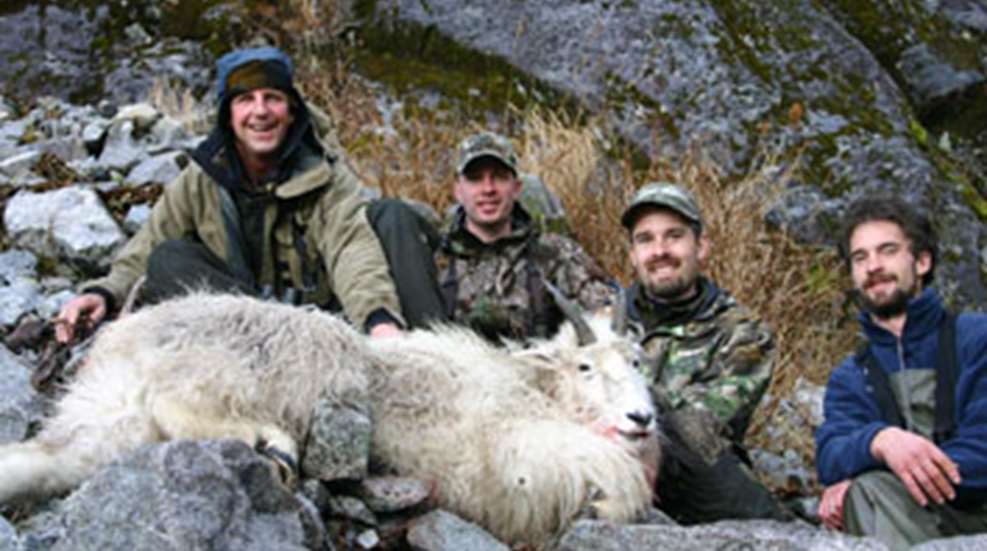
This is the time of year when hunters eagerly begin planning their 2013 big game hunting trips. Many use the services of guides and outfitters, which makes me wonder why so many people book hunts without doing any research. After all, it is a business deal, and should be treated as such. To that end, here are 10 questions you must ask prospective outfitters before any money changes hands.
1) What animals do you hunt? What are the species with top trophy potential in your area? If you want a big elk, with an average mule deer as your secondary goal, but the area has only mediocre elk and a few big muleys, you're probably hunting in the wrong place.
2) How many actual hunting days will I have? On a 10-day hunt, you may have one day travel time each way in and out of the hunting area, cutting the actual hunt time to eight days. If you're stranded in base camp for extra days because the outfitter is having problems, will he allow you to extend your hunt to compensate for missed days afield that were not your fault? The outfitter can't control the weather, but he should be in control of his equipment, staff, and scheduling.
3) How many hunters and support people will there be in camp? To avoid overcrowding, you want to know how many other hunters will be in hunting camp. Also ask if your guide doubles as the cook, horse wrangler, and wood cutter. Generally, but not always, it's better if the guide does nothing except take you hunting.
4) How many hunters per guide? Do you have your guide all to yourself, or will you be sharing him with another client? Though it costs more, it's almost always more productive to hunt one-on-one. If you get to camp and your one-on-one hunt is suddenly a two-on-one affair, immediately solve the problem with the outfitter
5) How long have you been hunting in your area? I prefer to hunt with people who have been outfitting—and guiding—in an area for at least three seasons, and therefore know the area and area game movements well.
6) How long have your guides worked for you? The outfitter will rarely be taking you hunting himself. You want a guide with experience hunting both the area and species you're targeting. Don't settle for a first-year guide as your primary guide.
7) If you are a bowhunter, are your guides experienced bowhunters themselves? Have they successfully guided bowhunters before? Very important for bowhunters is to have a guide who understands the unique requirements of hunting with archery tackle. There are few non-bowhunters who make good bowhunting guides.
8) What percentage of your clients are repeat customers? If the outfitter was lousy and there was no game in the area, he'd probably not have many repeat clients. Repeat business is one indicator of a reputable outfit.
9) What does the hunt package cost? You'll be quoted a hunt cost of, say, $4000 for a horseback wilderness elk hunt. Now ask about any "hidden" costs like licenses and tags (rarely included in the hunt price), trophy and meat care, tips and gratuities, additional charges if you take another animal, and so on. Is there a "trophy fee" for actually harvesting an animal, or for taking an animal that scores exceptionally well by record book standards? In Canada and Alaska, travel by bush plane to and from camp is common. How much does that cost? These "extras" can add hundreds of dollars to a hunt's base price. No one likes to be surprised.
10) Do you have references I can contact? Ask not only for a list of successful clients, but also clients who did not get game on their hunt. Ask for references within the last three years. Spend a few bucks and call them all, and ask lots of questions regarding all aspects of the hunt. If an outfitter won't provide references, avoid him like the plague.