Every fall season I hear one or two horror stories involving equipment failures in the field. All too often these stories include personal injuries. I am going to take a few minutes to help you possibly avoid such costly circumstances. This information is relevant no matter how long you have been hunting.
I am going to start this discussion with the most obvious and work down the list to the often overlooked. Some of these may be new to you, but all should prove useful. Some people take their lock-on, and ladder stands down at the end of every season. If you hunt on public ground this is required. Others leave these stands on the tree indefinitely. Either way, a safety check of the stand is important.
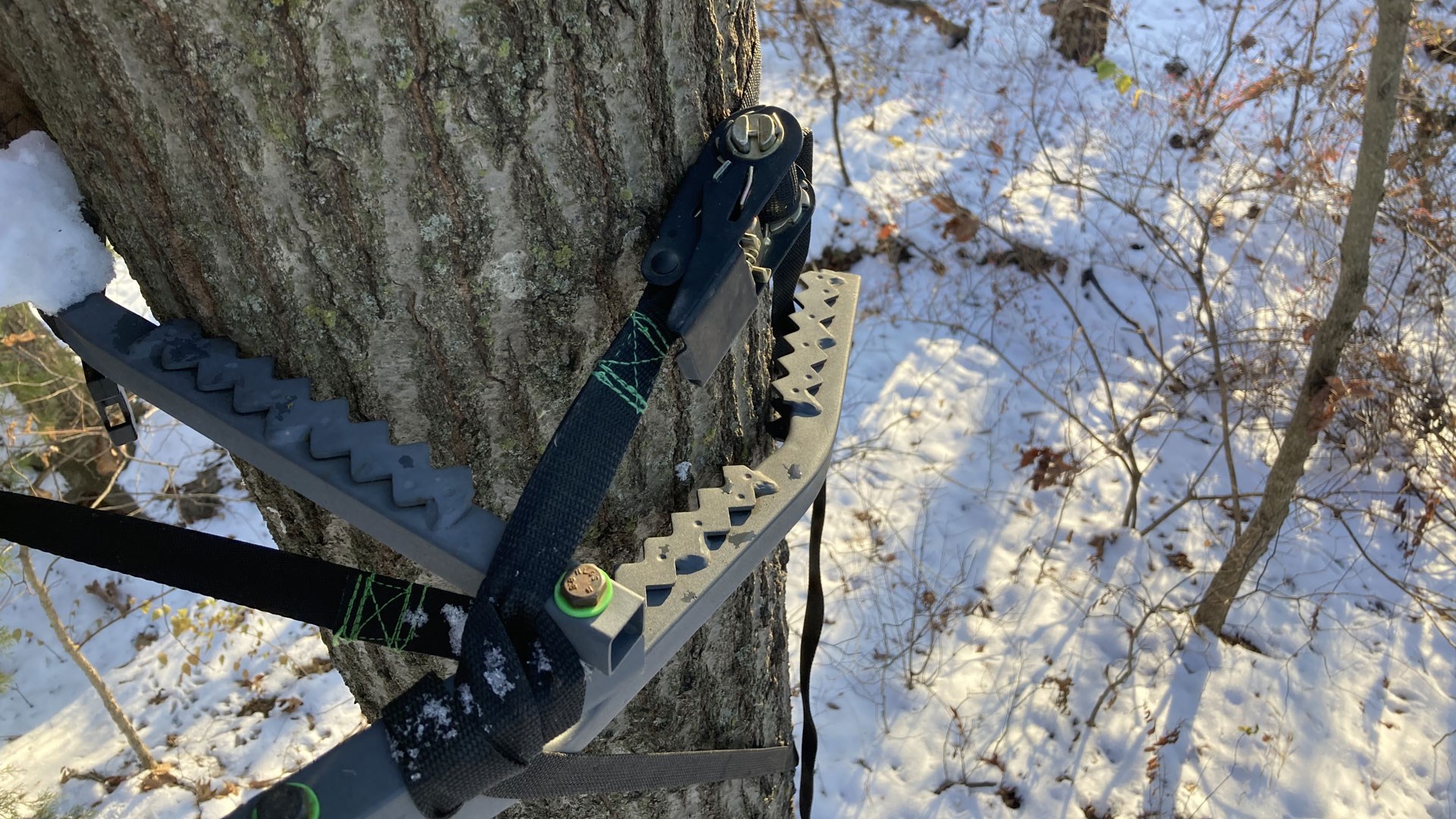
If you take your stands down in January, that is the perfect time to check them out. Straps, turnbuckles, ratchets, come-alongs and ropes should all be examined for damage and/or wear. If you check those things out in the winter before you store them, they will be ready to rehang in the fall.
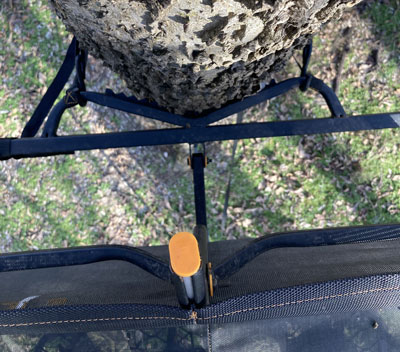
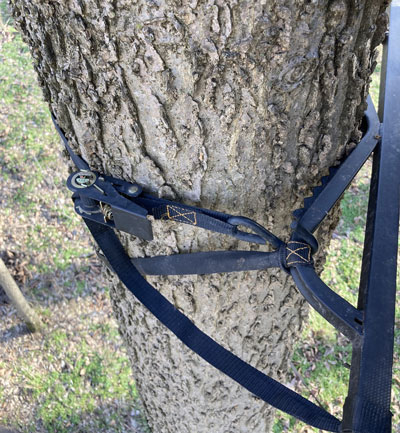
When leaving your stands up all winter, do a comprehensive check of the entire set the last day you hunt there. Make mental notes of any abnormalities you see. If repairs or adjustments are needed, you will have several months to get them done before it is time to hunt again.
While we are in the tree, be smart enough to check out our safety equipment. First and foremost, I highly recommend that you use some sort of safety device any time you are hunting from an elevated position. Safety belts, harnesses and fall restraint systems are never fool proof. You must be diligent to make sure that your safety products are actually keeping you safe. Do not assume anything and be double sure that you are using your safety system properly.
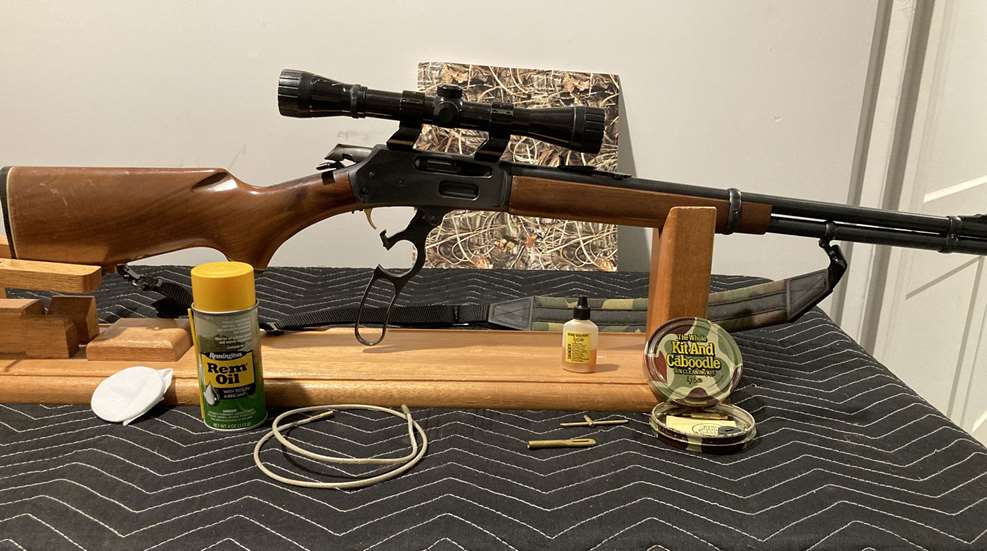
I talk to dozens of guys a year who tell me how they clean their guns after the season. That is great. Then I ask them if they sighted-in their guns before the season? Most hunters reply in the affirmative. When I ask if they cleaned their guns before they left the range, pre-season, things often get very quiet. Corrosion is the most significant enemy a gun can have. Rust is iron oxide formed by the reaction of iron and oxygen in the presence of water or moisture. The moisture from your hand holding the barrel is enough for corrosion to begin. The last thing to touch your firearms, every time, should be a rag sprayed with Rem-Oil.
Now for the bow hunters. Strings, cables and cams are all crucial components of your bow. Make it a habit to check these on a very regular basis. Watch for wear on the string where your arrow and your release come in contact with it. Check your cables everywhere they may touch anything.
If you store your bow for months at a time, be very careful about your checklist before shooting it for the first time after prolonged storage. This applies to compound and cross bows alike.
On of the main reasons I decided to write the article is because of my wonderful wife, Nancy. I was sharpening my gutting knife back in September when she saw it. “How long have you had that thing?”, she asked. When I told her that I have had it for over 50 years, she was shocked. She said, “Well, it looks like it!” She asked me if she could have it for a while when I finished sharpening it. I complied.
Nancy is a world class furniture refurbisher; she is a wizard with both brass and wood. What she did to that old knife is nothing short of amazing. And it proved to me that I too could take better care of my own gear.
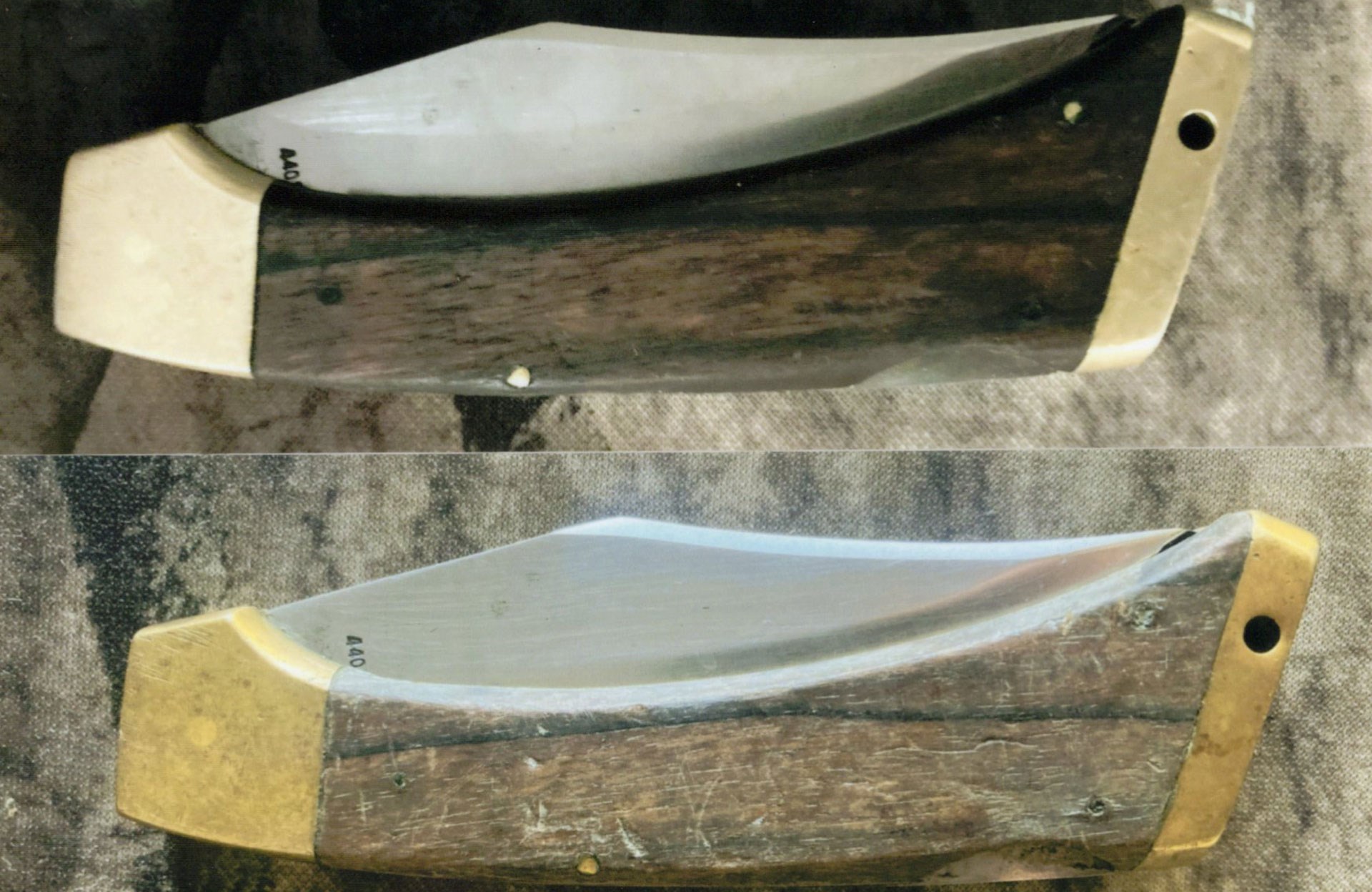 The before and after of my old knife that Nancy spruced up. (Photos by Mike Roux)