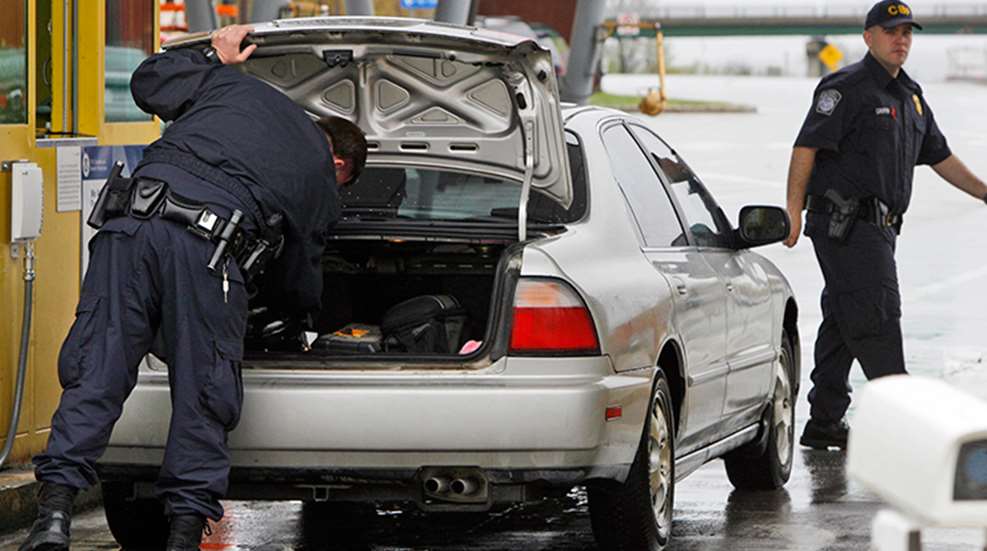
Each year, hundreds of American citizens are arrested at border crossings with Mexico and Canada. Their crime? Crossing into Mexican or Canadian territory in possession of a firearm or ammunition that’s not registered according to those countries’ laws. The majority of those arrested cross for tourism, business or a family visit, and claim to have not intentionally violated the law. They say they either forgot they had a gun or ammo in their car, or didn’t realize their legally owned firearm can’t cross borders like they can.
These arrests are preventable, and the U.S. Department of State wants to help.
“This is a major problem for U.S. citizens abroad. Our U.S. consulate in Vancouver, Canada, alone sees more than one arrest of a U.S. citizen per week for weapons violations,” says Geoffrey Martineau, a consular officer with the U.S. Department of State’s Office of American Citizens Services. But it’s not just Mexico and Canada where American citizens run into trouble. “This is an issue all over the world,” says Martineau. “When I was posted to the U.S. Embassy in New Delhi, we had at least three cases of Americans being arrested for entry into India with a single bullet in their luggage.”
How did this become such a problem? According to some estimates, there is a legally owned firearm in 40 percent of American households, and while for many U.S. citizens gun ownership is as American as apple pie, other countries’ laws regard gun ownership as a privilege. Foreigners in particular are subject to stringent permit requirements. Historical and cultural differences play a part as well. Penalties, even for inadvertent violations in foreign countries, can be severe, including imprisonment, fines and the impoundment of the vehicle used to transport the firearm. The additional costs of legal representation, and the amount of time it can take to resolve a case, compound the hardship. Members of law enforcement, veterans and active-duty members of the American military aren’t exempt from the laws of their host country.
American gun owners who routinely hunt, keep a firearm in their vehicle or live in border states are especially at risk.
So how can you keep yourself from an unpleasant experience abroad? The Department of State has some tips:
■ Remember, American travelers are subject to the laws of a host country; your U.S. passport will not protect you from arrest or prosecution. While the Department of State has no higher priority than the safety and security of U.S. citizens overseas, assistance U.S. embassies can offer in such cases is limited.
Ask authorities to notify the nearest U.S. embassy or consulate, or do so yourself. We can help you in many ways including: contact your family; help you find an attorney; visit you in prison; ensure you are treated humanely and in accordance with international, domestic and foreign law. We cannot: represent you in court; pay your legal fees; get you out of jail.
■ Use different luggage for traveling than you do for hunting. One of the cases Martineau saw in India involved a traveler who used the same backpack for hunting as he did to fly. He overlooked a single bullet in a pouch; Indian authorities, however, did not overlook it. Check any hunting clothing you may take for leftover items considered to be contraband in a host country.
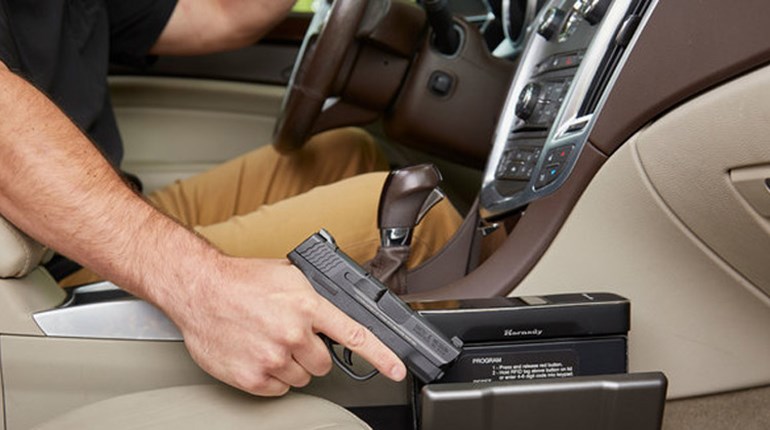
■ If you plan to enter Mexico or Canada, even for a few hours, check your vehicle thoroughly. A handgun you routinely carry in the glove box or box of ammo you forgot in the trunk could cost you dearly. If you are driving from the Lower 48 to hunt in Alaska, you will cross Canadian soil and your firearms must be properly permitted well beforehand. Become familiar with the approaches to the nearest border crossing. Many U.S. citizens, after arrest, claim they did not intend to enter Canada or Mexico but missed their exit or took a wrong turn. Know the location of the last exit.
■ Realize that complying with U.S. regulations for air travel with firearms does not mean you have complied with laws of your intended host country. Review the Department of Homeland Security’s rules for exporting a firearm, the Transportation Security Administration’s rules for flying with firearms and ammunition, and the Department of State’s International Traffic in Arms regulations. Check online for import restrictions in the country you intend to visit. Canada, for example, allows visitors to travel there with firearms—but only with the proper permits (handguns are not permitted). The Department of State’s Bureau of Consular Affairs publishes “Country Specific Information” at travel.state.gov/content/passports/en/go/firearms.html. The website includes information about gun-control legislation, and links you to requirements gun owners must fulfill to legally carry firearms and ammunition to their destination. Travelers can search for overseas information including: legal and social conditions that could affect travel; information on applying for passports, visa requirements for foreign countries; and more. Be aware that information at the time you check it may not be current. For good measure, check other sources, too.
■ The Department of State suggests enrollment in its Smart Traveler Enrollment Program to receive important safety information and to help the U.S. Embassy in another country contact you in an emergency.