On Jan. 29 Texas Gov. Greg Abbott (R) declared a state of disaster as a pre-emptive move to minimize risk of the New World screwworm (NWS) establishing a foothold in the U.S. and Lone Star State. The document explains, “…the spread of NWS northward from Mexico toward the U.S. southern border threatens Texas’ livestock industry and economy and poses and imminent threat of widespread and severe property damage…” It also notes the potentially destructive impact on wildlife.
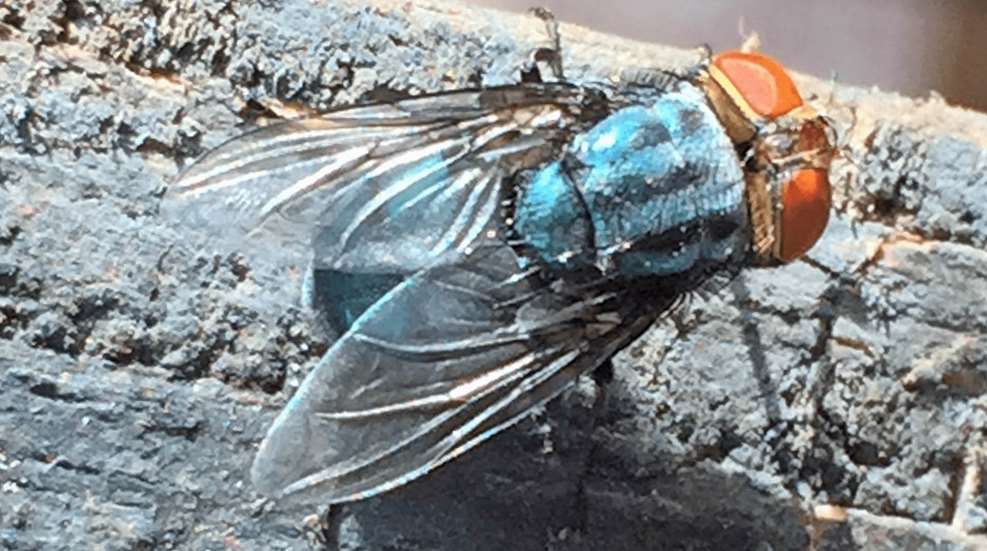
The deer population in Texas declined by roughly 50 percent at the height of the NWS stateside invasion during the 1950s and ’60s, according to the Texas Wildlife Association. The challenge biologists face is the that parasite—which is native to South and Central America, along with a few Caribbean islands—travels by air or spreads when livestock are moved. It also resembles a run-of-the-mill fly.
It lays larvae in open wounds and cavities of warm-blooded animals, including pets. They, in turn, feast on the flesh of the host as they grow. Left untreated the consequences are deadly.
NWS was detected 70 miles south of the Texas border on Sept. 21, 2025. The next month the U.S. Department of Agriculture (USDA) released an official NWS Playbook and opened a Screwworm.gov website in November.
“To ensure timely and effective communications, this new unified website will be a one stop shop for all screwworm related information and will help our stakeholders be better informed as new information comes available,” said Secretary of Agriculture Brooke Rollins. “We are grateful for the robust interagency collaboration, and we continue to work every day with our state and industry partners to implement our screwworm plan. This is a national security priority and it has the full attention of our team.”
In the January state of disaster declaration Gov. Abbott officially authorized, “…the use of all available resources of state government and all political subdivisions that are reasonably necessary to cope with this disaster, and temporarily reassign any such resources that have been, or could be, allocated to address the spread of NWS, to the Texas New World Screwworm Response Team, headed by TAHC [Texas Animal Health Commission] and TPWD [Texas Parks & Wildlife Department].”
In August a Maryland resident was diagnosed as the first documented human case of NWS in the United States. The patient recently returned from a trip to El Salvador. Health officials said the risk remains low for hunters and outdoorsmen.