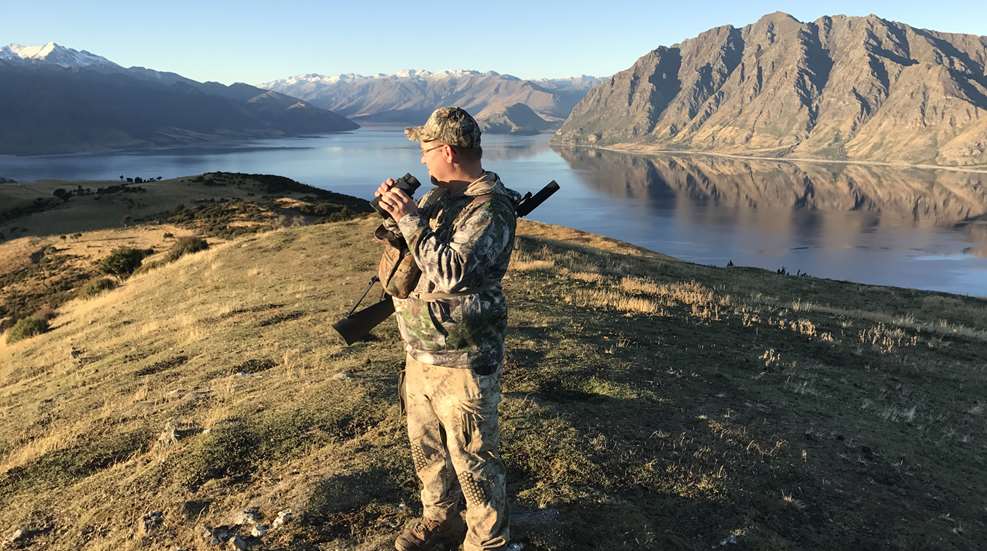
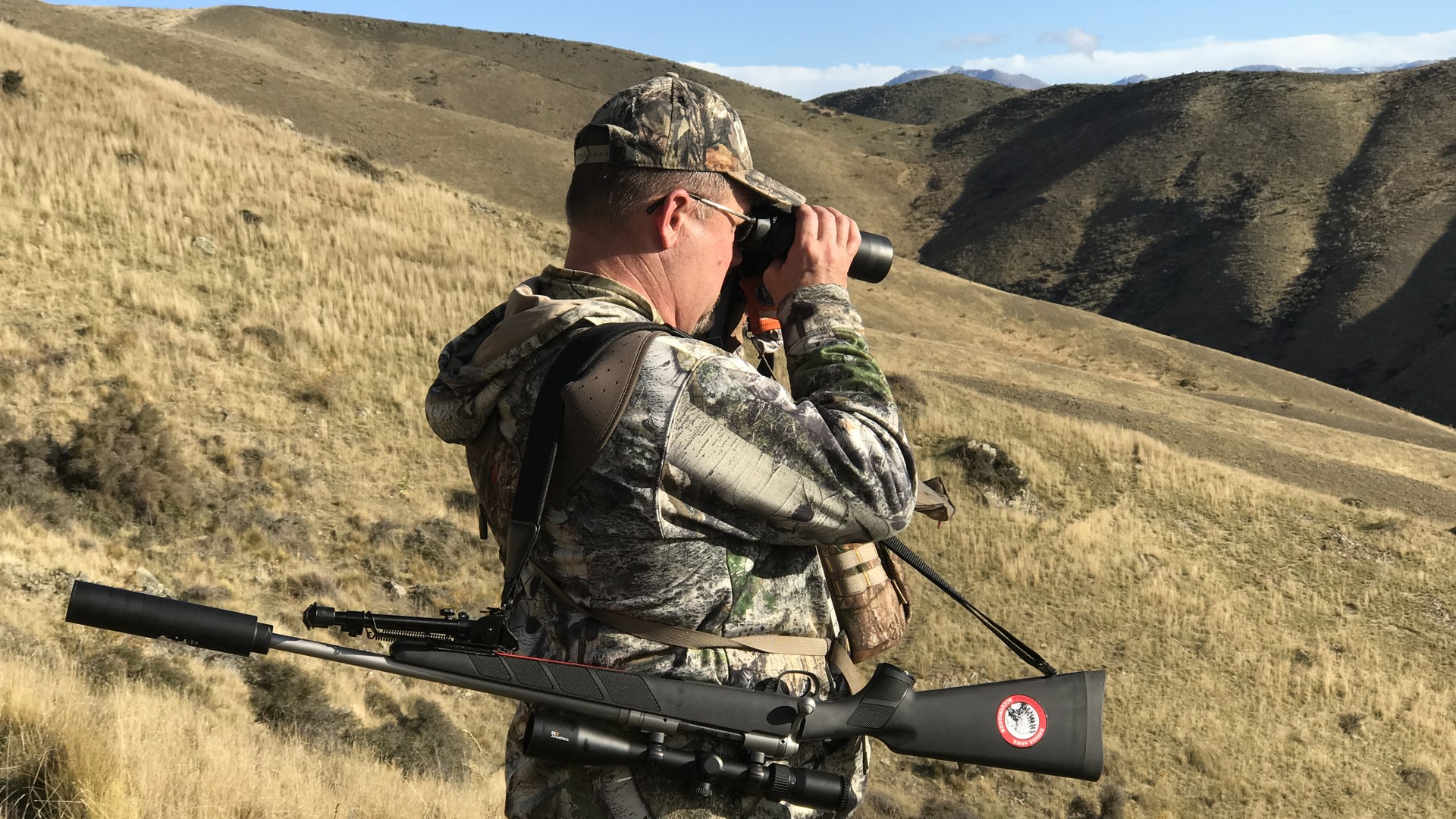
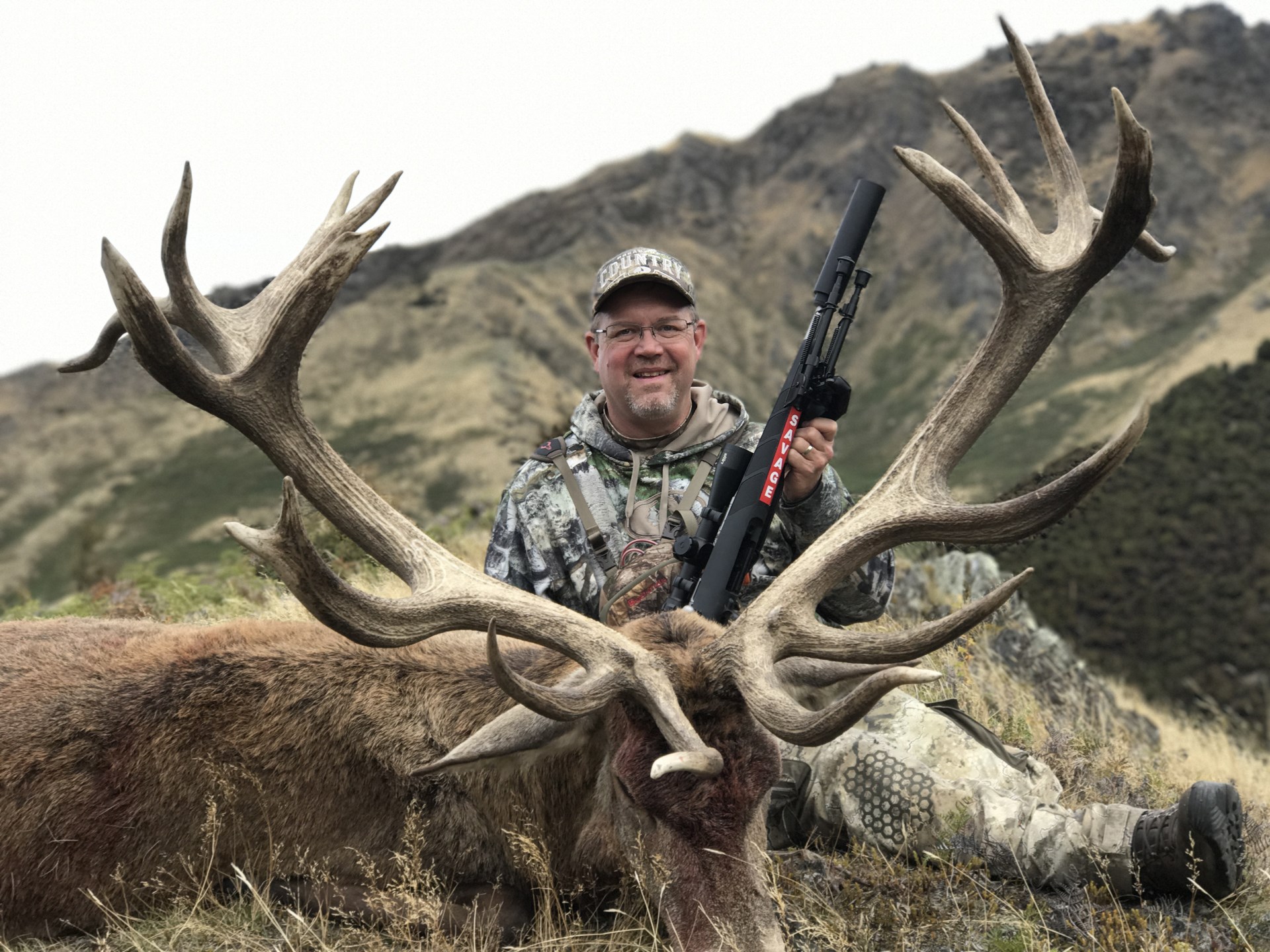
The steep, green hill made for a challenging ascent, but it was the only way to get close to the red stag along the ridge. I was hunting the South Island of New Zealand with Glen Dene Hunting and crawled into position on three mature stags bedded near the skyline. When my hunting partner whistled, they stood. I settled in behind my Savage .308, squeezed the trigger, and heard the bullet strike home.
What I did not hear was the sharp, echoing crack of the rifle we have been so used to in North America. No hearing protection required for the people with me or myself. The rifle wore a suppressor, providing way more benefits than just saving my future hearing. The report was muted, and recoil and barrel jump were controlled. I stayed in the scope, watched the bullet strike, and saw the stag collapse. The other animals hesitated, confused, rather than exploding off the ridge at the sound of a blast.
Later that evening, the locals I was hunting with told me that in New Zealand, it would be considered rude to show up with buddies without a suppressor. Nobody wants their ears to ring. Nobody wants unnecessary noise. Suppressors are viewed as practical and considerate tools, not suspicious accessories.
That experience raises a fair question for hunters and shooters here at home. If you legally can use a suppressor, is it becoming rude not to?
Muzzle Brake
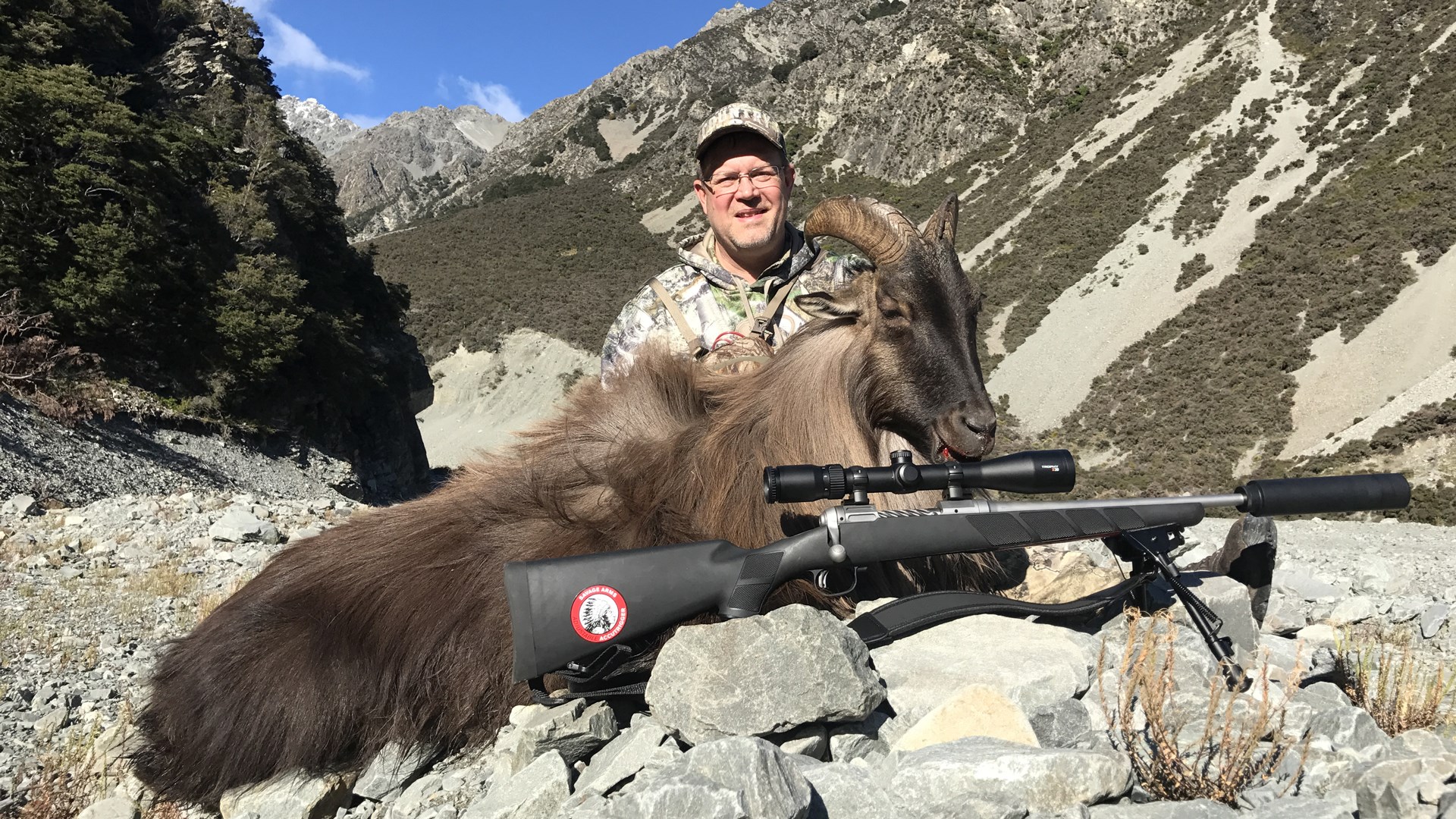
We can take the debate a step further. On a caribou hunt in the Arctic, one of our hunting party shot a bull without informing the rest of us that he was using a muzzle brake. It was a painful experience that left most of us frustrated and mad at the potential hearing damage. Replacing brakes with suppressors is a natural progression for many of us seeking reduced recoil. Proper etiquette with a brake would be to inform your hunting party of the device and warn them about the extreme noise it generates. In a case like this, proper etiquette would be information and a set of earplugs.
Respect
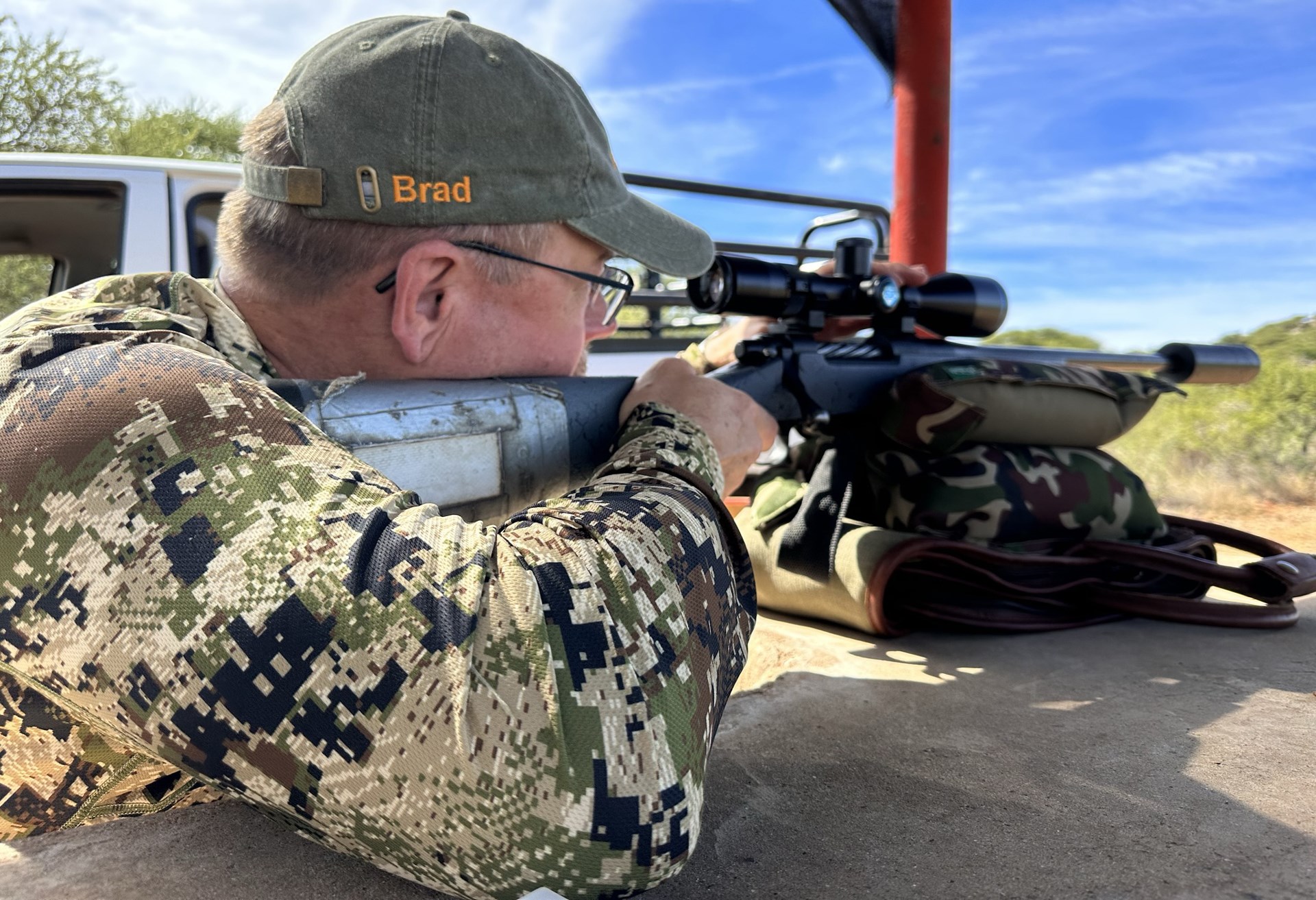
Maintaining the peace has always been part of ethical hunting. We respect property lines, livestock, and nearby homes. We ask permission. We close gates. Noise is part of that equation. A rifle shot carries for miles. On heavily hunted public land or near rural acreages, that blast is heard by more than just the intended target.
A suppressor does not silence a rifle in the way movies portray. It reduces the report to a safer, more manageable level. The shot is still audible. It simply does not shatter the quiet morning air with the same violence. For landowners, neighbors, and even other hunters, that difference can matter.
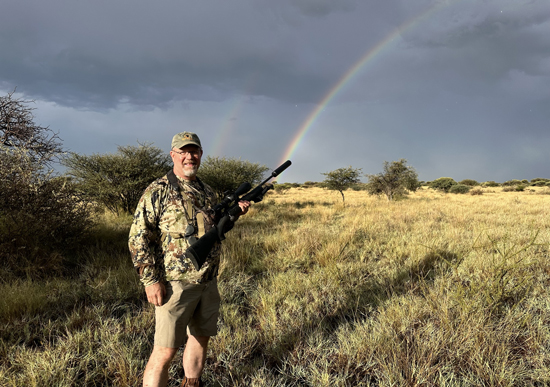
Firearm suppressors go by several different names, depending on who you are talking to and where you are in the world. The terminology reflects their history, how they function, common slang, and even legal definitions. The two terms most often used are suppressor and silencer, and while they mean the same thing, other descriptions, such as sound suppressor or sound moderator, also refer to the same device.
Protect Your Ears
There is the issue of hearing protection. Hearing damage is permanent and cumulative. Many seasoned hunters live with constant ringing in the ears, or tinnitus, because they fire rifles in the field without hearing protection. Earplugs and muffs are easy to use at the range but often forgotten or impractical during a fast-developing shot opportunity.
A suppressor reduces muzzle blast at the source. It protects not only the shooter but also guides, hunting partners and young hunters standing nearby. If we accept eye protection as responsible practice at the range, is it reasonable to consider suppressors as an extension of hearing protection in the field?
Recoil
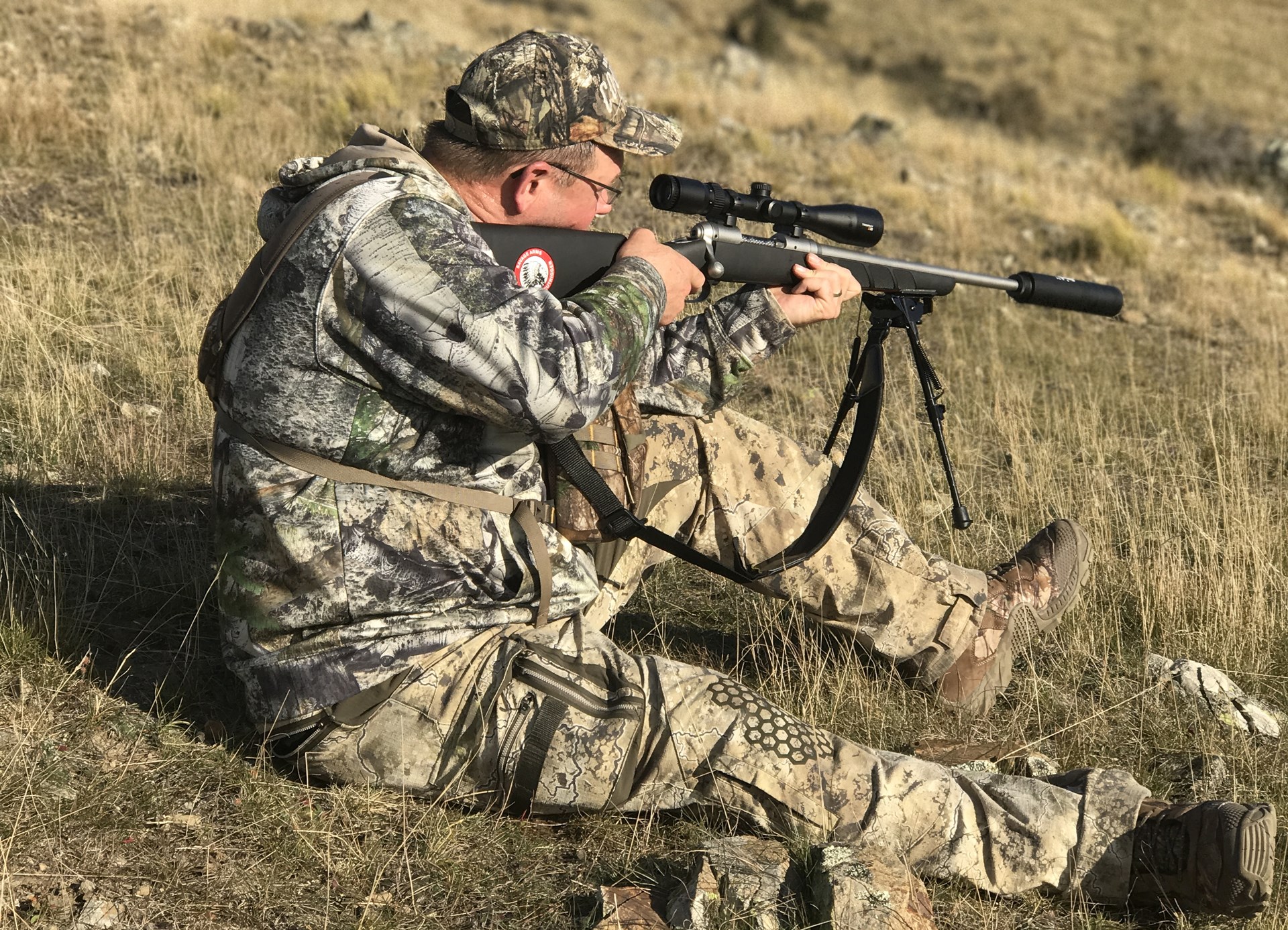
Recoil reduction is another benefit that rarely gets enough attention. Suppressors reduce felt recoil and muzzle rise, allowing shooters to stay on target and observe bullet impact. That improves follow-up shots and reinforces good habits. For new hunters, reduced recoil helps prevent flinching and builds confidence. If a simple piece of equipment can make someone a more accurate and ethical shooter, that is hard to ignore. Slowing and redirecting gases, a suppressor tames recoil and muzzle rise. The result is the ability to stay in the scope and watch the bullet’s path. Accurate shooting means less time lost tracking wounded game, which should be considered in terms of ethics and etiquette.
Community
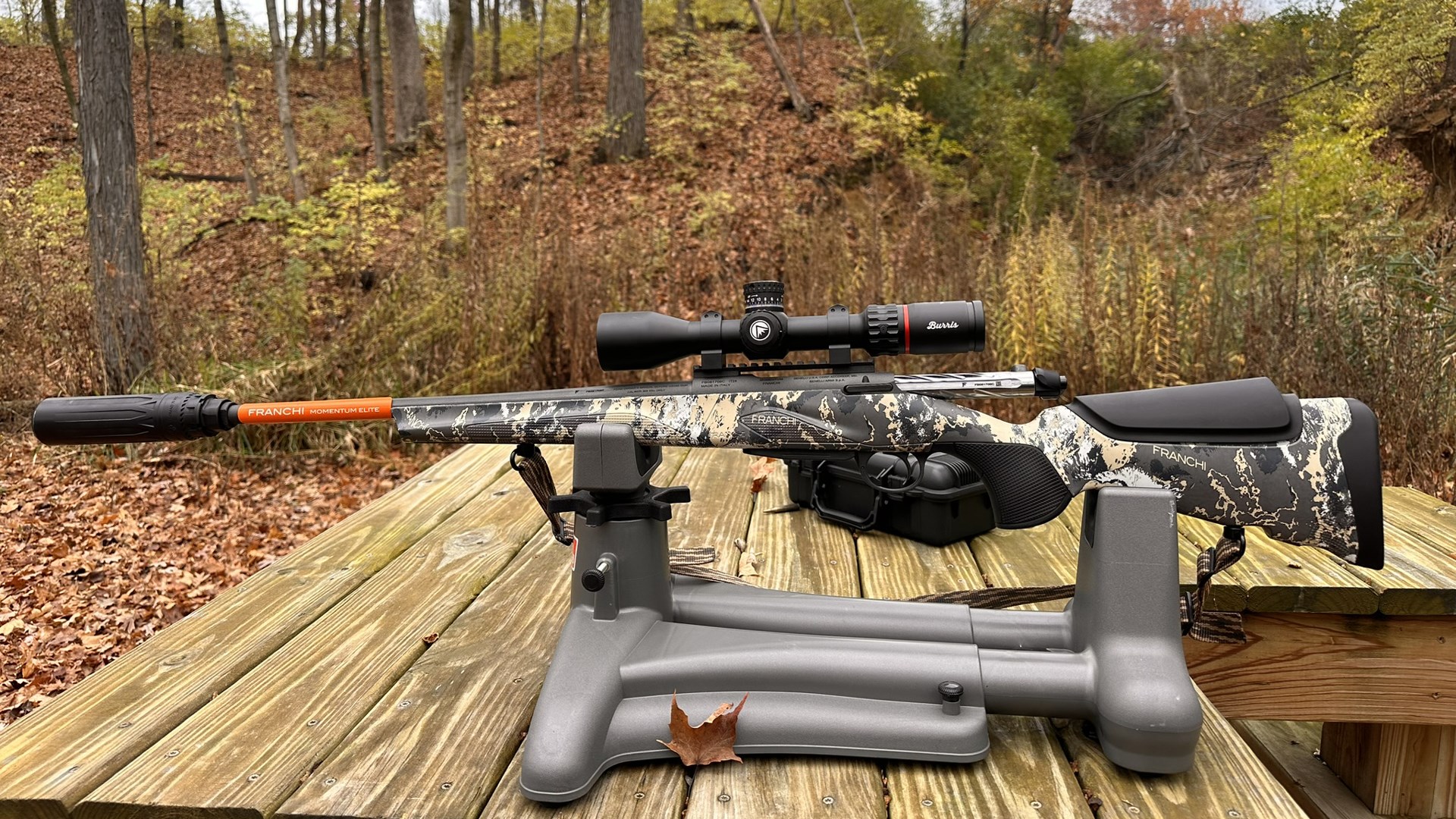
From a community standpoint, suppressors may help preserve access. As towns expand into rural areas, complaints about range noise increase. Shooting facilities are closing due to pressure from neighbors. Imagine if more rifles were moderated and noise footprints shrank dramatically. Would there be fewer objections? Would landowners be more open to granting permission? The fact that people can’t complain about what they don’t hear has real merit. In a busy hunting area, non-hunters can hear a significant amount of shooting. Would there be benefits for little or no shots heard?
Challenges
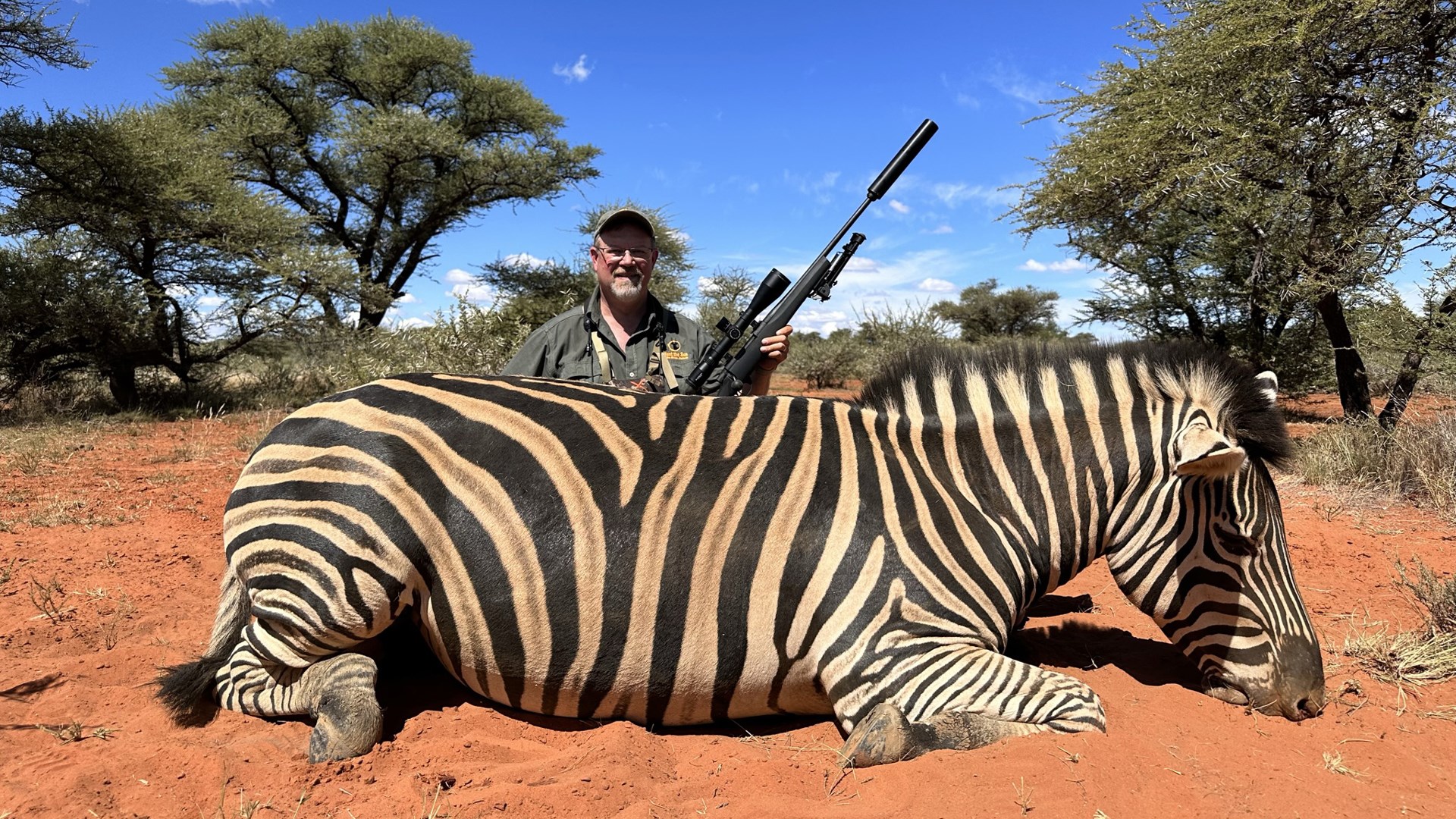
Of course, suppressors are not without drawbacks. They add length and weight to the muzzle. A rifle can feel front-heavy. In tight brush or steep terrain, that extra bulk is noticeable. Some hunters choose to carry the suppressor in a pack and attach it only when preparing to shoot. There is also cost. Quality suppressors and mounting systems represent a significant investment.
Legal requirements vary widely. In the United States, suppressors are regulated under federal law. Buyers must purchase through a licensed dealer, complete detailed paperwork, submit fingerprints and photographs, pass a background check, and pay a federal tax. Approval can take months. In Canada, civilian ownership of suppressors remains prohibited under federal law, which is draconian given their use in other countries and the benefits they provide. Hunters must always understand and follow the regulations in their jurisdiction.
Offensive?
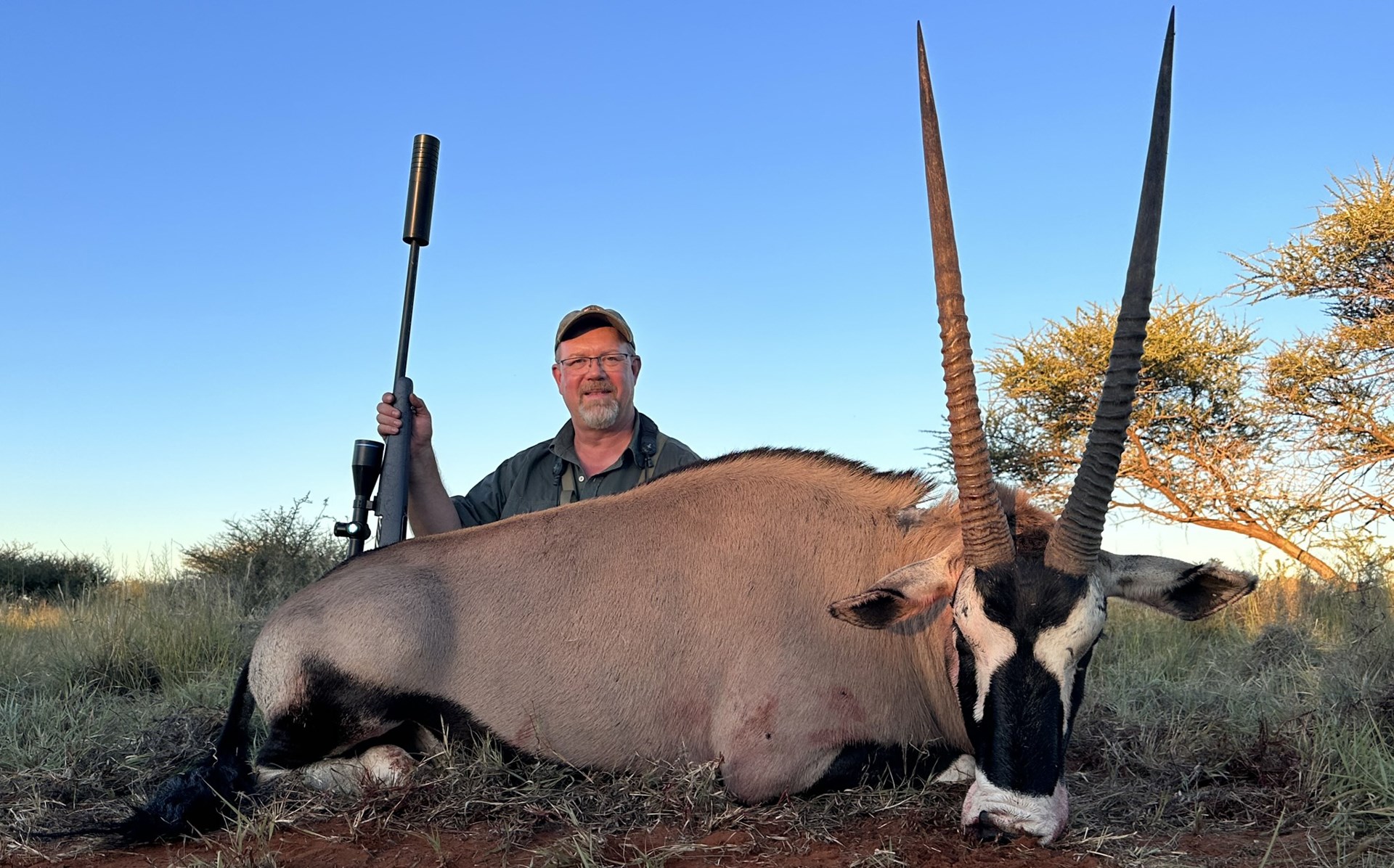
So, is it rude not to use one when you can? Perhaps rude is too strong a word, but the question speaks to changing norms. In places where suppressors are common, like New Zealand and Africa, they are viewed as standard equipment, no different than a scope or sling. Showing up without one is seen as inconsiderate because it exposes everyone nearby to unnecessary blasts and noise, and spooks other wildlife.
In North America, we are still navigating cultural perceptions. Suppressors are often misunderstood and unfairly associated with crime. Yet the function of a firearm does not change with reduced noise. The bullet performs the same task. The difference lies in comfort, safety and courtesy. And we cannot overlook better accuracy, firearm control, and safety.
If we frame the conversation around responsibility rather than secrecy, suppressors appear less controversial and more practical. They protect hearing. They reduce recoil. They limit disturbance to wildlife beyond the target animal. They help maintain good relationships with neighbors and landowners. The good news is that once you own one, you will want to use it wherever possible, or ensure your other firearms are fitted with a suppressor to maintain the benefits it provides.
Etiquette
Suppressor etiquette ultimately comes down to respect. Respect for your own hearing. Respect for your hunting partners. Respect for those who live within earshot of your shooting activities. If you have the legal option and the means to use a suppressor, choosing to do so can be viewed as part of modern, considerate hunting practice.
The good news is that debate over suppressor use is healthy, but as individuals, we can still choose what is best for the current situation. However, it raises the question of when, while enjoying hunting and shooting sports with others, a productive conversation is needed.
The morning I watched that red stag tip over on a quiet New Zealand hillside, I realized that reduced noise did not diminish the experience. It enhanced it. I saw the shot, heard the impact, and absorbed the moment without a ringing in my ears.
New Mindset
Suppressor etiquette is about more than equipment. It is about mindset. If you choose to use one, ensure it is properly mounted and maintained. Check alignment to avoid baffle strikes. Be mindful of added length when navigating brush or vehicles. Communicate with hunting partners so everyone understands how the system works. Above all, remember that reduced noise does not replace safe firearm handling or awareness of what lies beyond your target.
There is a teaching component as well. Introducing new hunters to shooting with a suppressed rifle can remove intimidation. Without the blast and heavy recoil, they can focus on fundamentals. Confidence grows quickly when the experience is comfortable and controlled.
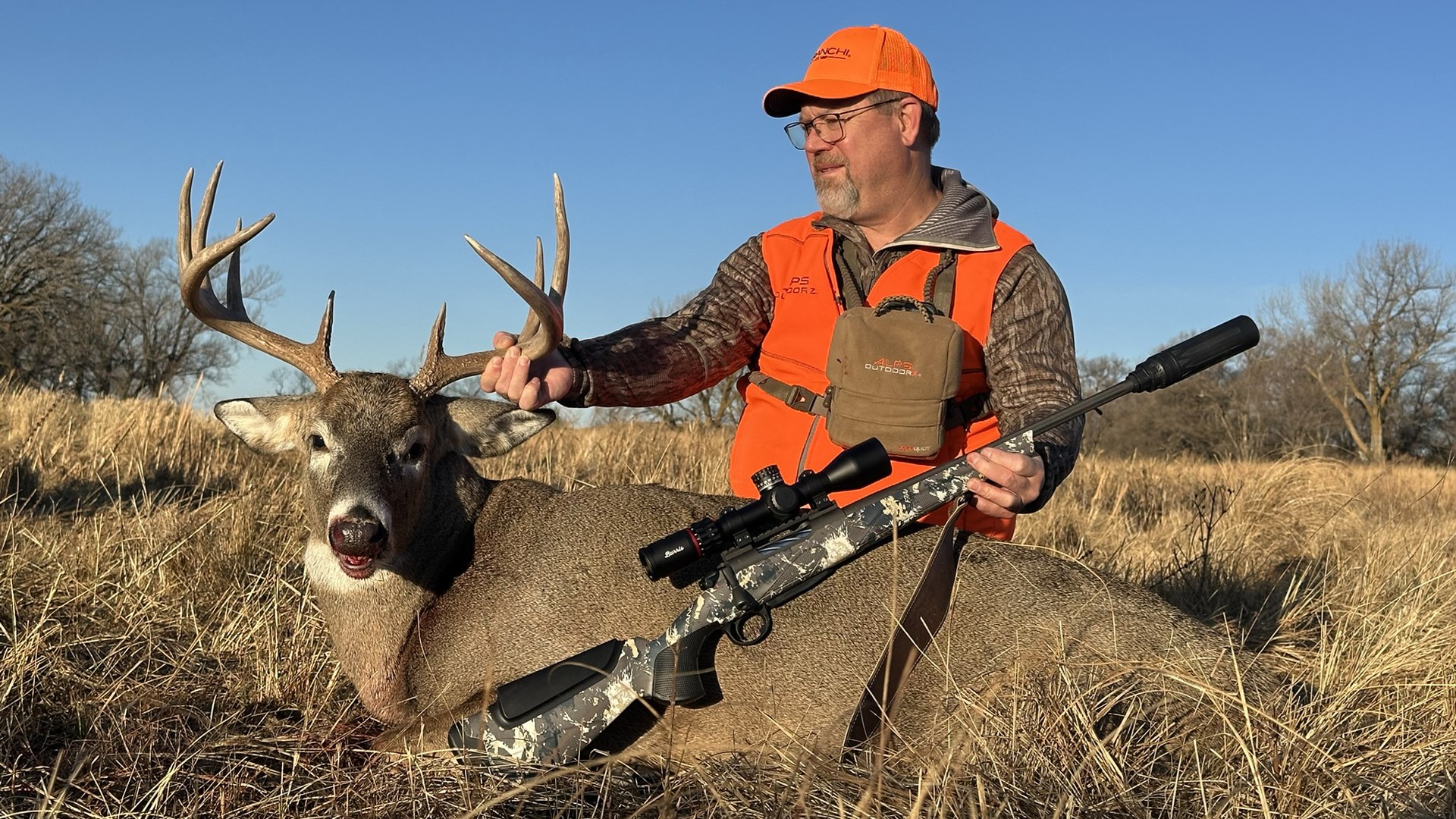
Using a suppressor whenever possible has benefited me as a hunter. Hunting the Sandhills of Nebraska, we stalked a mature whitetail and eventually got a shot at about 150 yards. The six additional deer with the buck didn’t spook until our target animal hit the ground and started kicking. We returned to the same area the next day, and the deer were using the same trails and travel corridor, undisturbed by our presence the day before. For me, the benefits far outweigh the challenges of using a suppressor.
Dead Air Silencer Technology
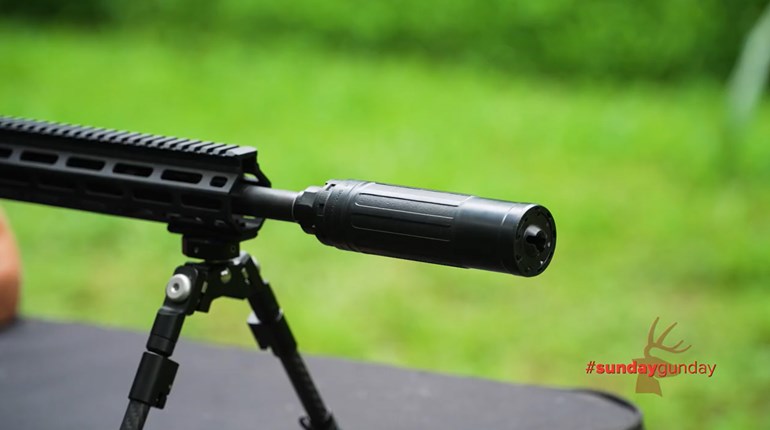
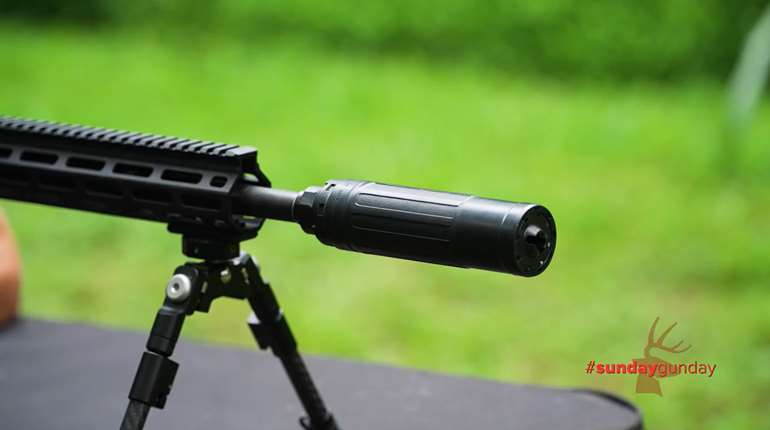
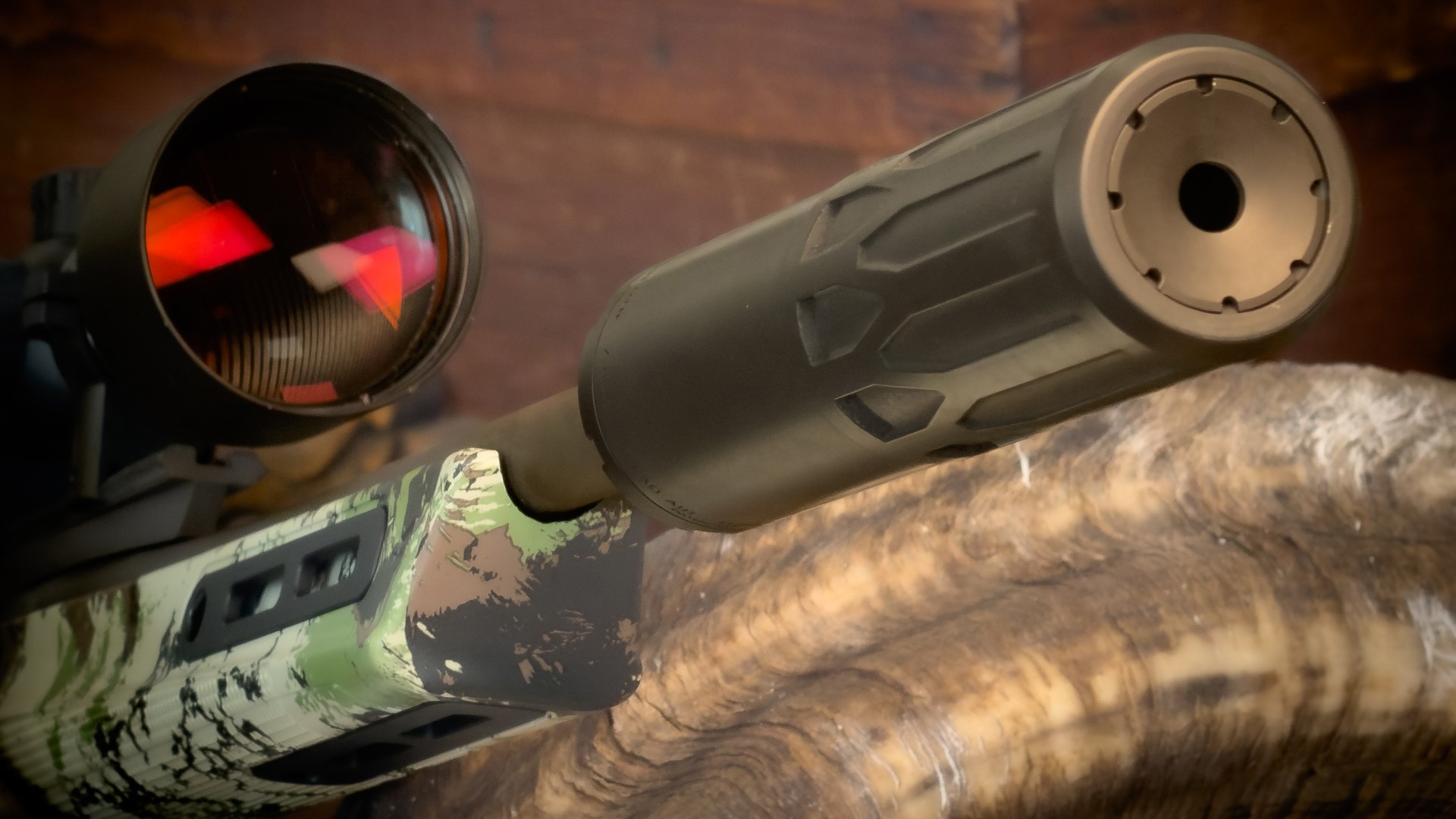
Dead Air Silencers continues to push suppressor innovation with the release of the Dead Air Nomad Ti OTB suppressor, a lightweight, field-ready suppressor designed specifically for hunters who want maximum performance without sacrificing rifle handling.
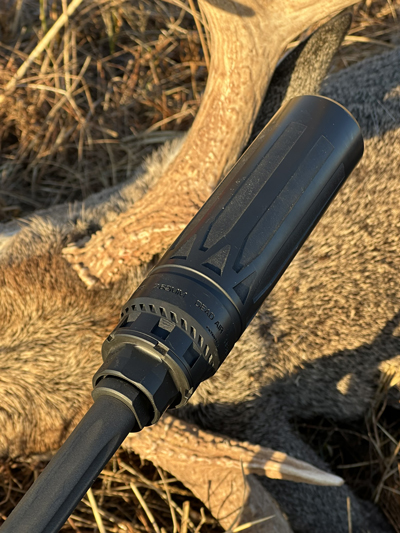
Rated for cartridges up to .300 RUM and 7mm Backcountry, the Nomad Ti OTB features an innovative over-the-barrel (OTB) design that expands the blast chamber back over the barrel rather than fully forward of the muzzle. This configuration reduces backpressure while improving sound suppression and overall shooting comfort.
A key advantage of the OTB design is that it adds only 4.6 inches to the rifle’s overall length. Hunters can run longer barrels for increased velocity while still keeping their rifles compact and maneuverable in the field. The rearward weight distribution also shifts balance closer to the shooter, reducing fatigue and improving stability for off-hand shots or extended glassing and shooting positions.
Manufactured using advanced 3D-printed 6Al-4V Grade 9 titanium, the suppressor delivers exceptional strength while remaining extremely lightweight. At just 10.5 ounces and measuring 7.65 x 1.76 inches, it offers outstanding durability and portability for backcountry hunts.
Compatible with Dead Air’s Xeno Radial Brake mounting system, the Nomad Ti OTB installs easily and maintains consistent accuracy. Available in black or FDE Cerakote, the suppressor has an MSRP of $1,049.