Our adventure began unexpectedly in August 2024 when my youngest brother won an African safari at a Friends of NRA banquet. He immediately convinced me, our brother-in-law and a close cousin to join him. This initiated a 12-month planning process to research our hunting location and logistics.
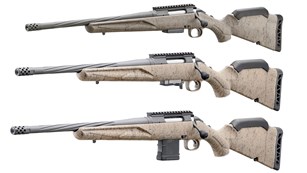
Our preparation focused on critical areas, including identifying airlines to South Africa, determining visa requirements, necessary vaccinations and the process for international rifle transport. Ultimately, the process was not as difficult as originally imagined. Our final itinerary included a short layover in Newark, N.J., followed by an international flight to Johannesburg, where we met our professional outfitter. There was no entry visa nor medically necessary immunizations required. Furthermore, we opted to use the outfitter’s rifle rentals, entirely circumventing the complexity of internationally transporting personal firearms. The biggest inconvenience was the 16-hour transatlantic flight in economy class for several guys who were economy plus-size guys. Nevertheless, we successfully made the journey to the lodge.
A major benefit provided by our host, African Barefoot Safaris, was their daily professional laundry service, which negated the need to carry more than two days’ worth of clothing. This allowed our entire party to consolidate personal effects and equipment into standard carry-on baggage, simplifying international travel for the week-long expedition.
Our adventure began in July 2025, flying from the greater Cincinnati airport to Johannesburg, South Africa. The outfitter’s representative met us and drove us on the four-hour trip to the lodge. We traversed the picturesque high veld countryside of the Limpopo River Valley, arriving at the lodge the day after leaving home. The lodge offered a welcoming and hospitable haven. Dawn of the following day signaled the commencement of our hunting adventure. We boarded 4x4 vehicles and traveled around the 9,000-acre property, amazed at the variety of animals and terrain.
It is important to understand the differences between hunting in South Africa and North America. In North America, the North American Model dictates that wildlife is publicly owned and managed for the public good. In South Africa, there is no public hunting; wildlife is owned by the private landowner. This means landowners fence their land to manage animals on large ranches, often thousands of acres in size.
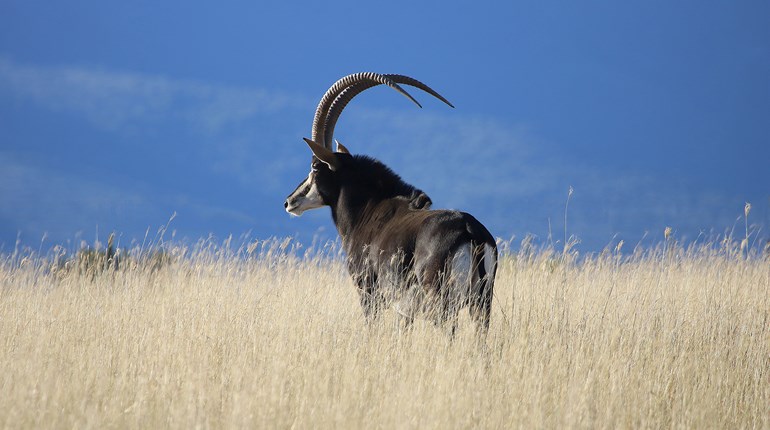
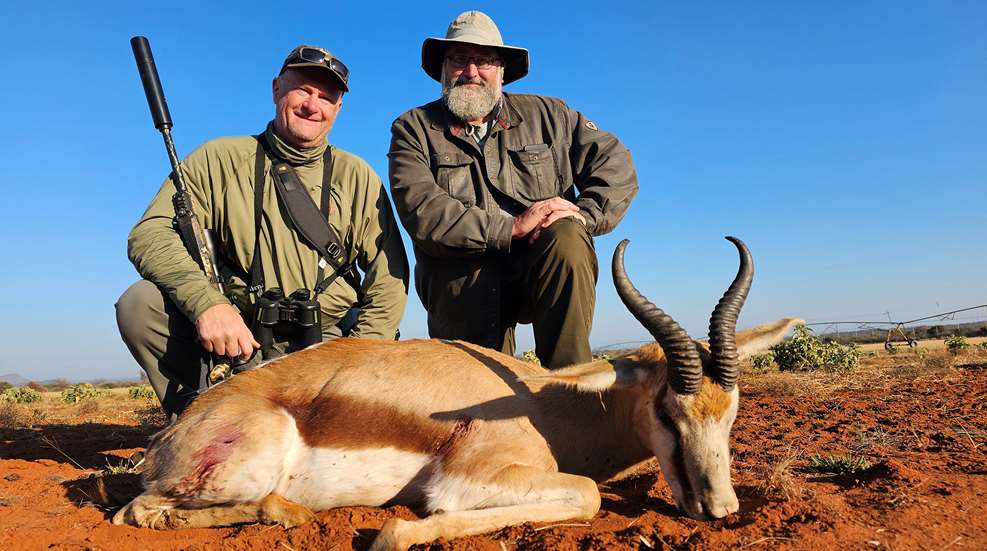
Throughout our safari, each member of our party successfully harvested a variety of game species, including springbok, gemsbok, impala, warthog and zebra. For all of us, this was our first time traveling to Africa and hunting overseas. The experience was an epic adventure, especially seeing herds of various animal species, a unique sight compared to Midwestern whitetail hunting.
The level of professional service, comprehensive organization and hospitality extended by our outfitter was superb. Their attention to detail and profound respect for conservation principles of sustainable harvest made this a truly memorable and highly satisfying experience. The entire undertaking was a profound success, not only in terms of the animals harvested but also in the rich cultural and ecological exposure it provided.
The biggest downside, in my opinion, of hunting in Africa is that you cannot bring any of the meat back to the States to enjoy and you have nine to 12 months to wait for the taxidermy to arrive. That’s just the way it goes when hunting in Africa, but each of us would go back without question.