It seems to me that there is an increasing number of restricted diets everywhere I go, and all sorts of custom diets popping up. There are the lacto-ovo-vegetarians who won’t eat animal flesh of any kind but will eat cheese and eggs; there are the lacto-vegetarians who eat dairy products but not eggs and then there are the vegans who don’t eat anything involving animal products of any kind. But it gets even more nuanced from there. There are pescatarians who won’t eat animal flesh but will eat fish flesh; there are raw foodists who won’t eat anything cooked above 115 degrees and there are macrobiotics who favor Asian vegetables and avoid refined sugars and oils. And don’t forget the flexitarians, who are vegetarians that eat meat when they just can’t take it anymore. There are so many heavy-handed food rules floating around that it is often hard to keep up. The famed line from The Simpsons: “I’m a level five vegan—I don’t eat anything that casts a shadow,” doesn’t seem too far-fetched anymore.
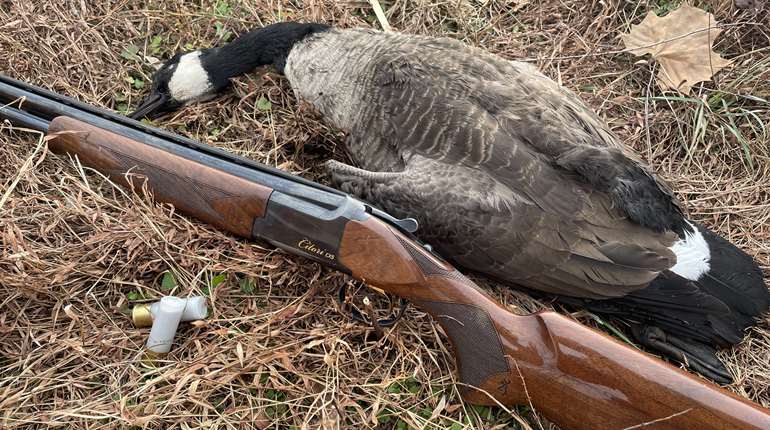
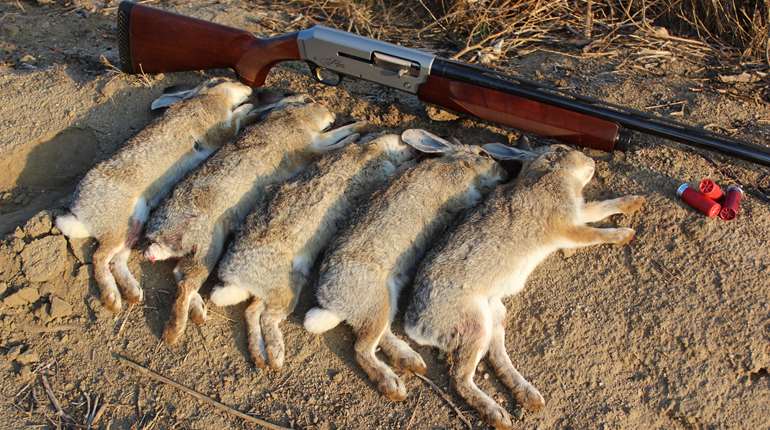
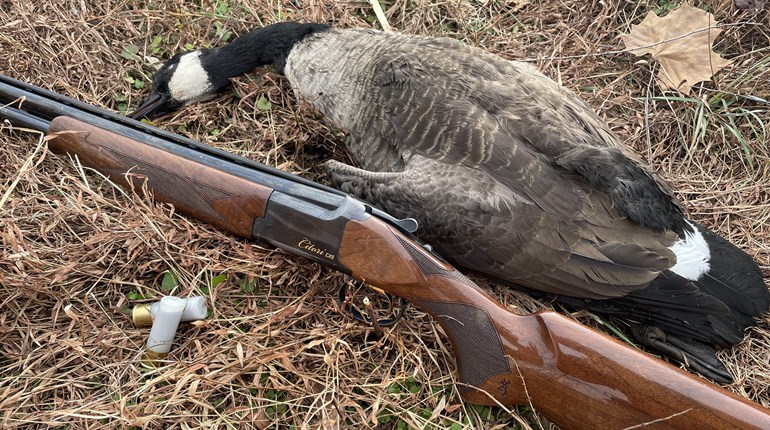
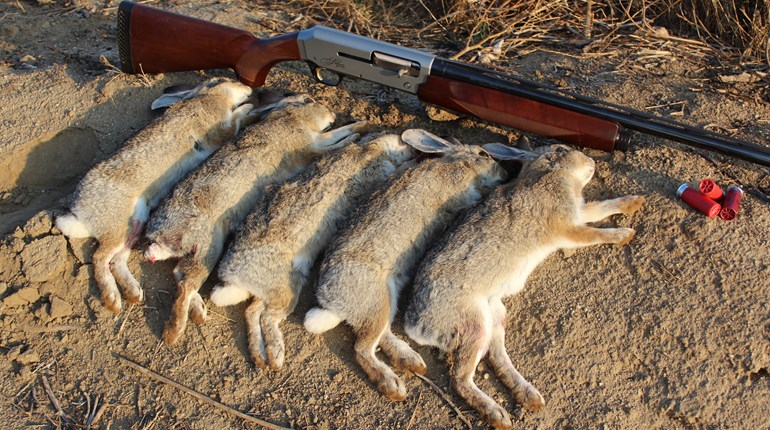
Typically, people avoid meat on either health, moral or environmental grounds. I can understand why people avoid foods from factory farms, which are mired in problems and alarming conditions. But, in my opinion, there is no excuse to not eat wild game. Here is why.
Humans are genetically hardwired to be omnivores: Food takes longer to pass through the stomach in herbivores because of the slow digestion of cellulose-rich and fibrous foods. The small intestine is shorter in carnivores. In humans, it is about half the length between gorillas and lions—pure vegetarians and pure carnivores—with digestive enzymes to match. Our bodies took their shape throughout evolution because of our balanced consumption of vegetable and animal protein. Had our hominid ancestors not hunted, adding meat to the tough herbage in their diets, we might have wound up with bodies like gorillas.
Our ancestors' choice to eat meat also made us smarter. Many people, both vegetarians and omnivores, mistakenly blame animal fat for human health problems, but fat is good when consumed from wild animals, which contains a greater abundance of long-chain fatty acids necessary for brain development. Intramuscular saturated fat—the marbling that we pursue in modern feedlot agriculture—is what is notoriously unhealthy. Structural fat, rather than adipose fat, can only be found in animals with access to an adequate variety of seeds and leaves.
No food is more in tune with the seasons than game meat: More than any other food, wild game cannot be harvested until it is ready. It is seasonal, local and organic. We eat animals, animals eat animals and plants, plants draw from the dirt and we eventually turn to dirt. It is a beautiful cycle, and it is an unavoidable one. Those who roam the farmers' market and pride themselves as locavores should consider being true locavores in every sense and harvest wild game as their main source of protein.
Harvesting wild game is among the most sustainable things one can do: People who harvest game meat are helping keep the wildlife populations at a healthy level. If an environment goes above its carrying capacity, the land suffers and the deer starve and end up in urban areas as road kill. It is better off enjoyed at a table of thankful eaters.
And more than just sustainable, a wild-game diet is much better for the environment than one comprised of domestic animals or many processed foods. Without a doubt, the carbon footprint on a cow is high. One cow burns eight barrels of oil in its lifetime, in part because it has to be transported to feedlots. It is easier to bring the cows to the feed than the feed to the cows because they convert feed at 7 to 1. For this, I understand why some avoid farmed meat on environmental grounds. But there are dozens of fish varieties that are overfished, caught or farmed in ways that harm other marine life and the environment. And most soy alternatives travel long distances and require significant packaging. No food source has a cleaner carbon footprint than game meat taken from your local region.
Moreover, protein alternatives are misleading: More animals die to make cheese than to make two venison backstraps. Most cheese cannot exist without rennet, complex enzymes taken from the dried and cleaned stomachs of young animals. Vegetarian rennet is something that is commonly favored among vegetarians, but it is widely misunderstood. Ask any dairy farmer that produces cheese using real rennet and they will share a monologue of frustration. “What do you think happens to baby goats who can’t be used for milk or their rennet?” Quite simply, they are wasted.
The simple answer is that, as omnivores, humans are able to consume a great variety of seeds, nuts, fruits and protein. We once ate a range of seeds, fruits and nuts along with animal and vegetable proteins. But after the adoption of an agrarian, settled life, there was less time for hunting and gathering those things. And so our diet changed to one of mostly corn and corn-fed meat, which, when coupled with our sedentary lifestyles lead to countless diseases specific to developed nations. The answer is not to create even more extreme circumstances and restrictions on our diet, but to look at the differences between out diet and that of our ancestors, who instinctively pursued the food that was best suited for our genes. The answer is wild game.