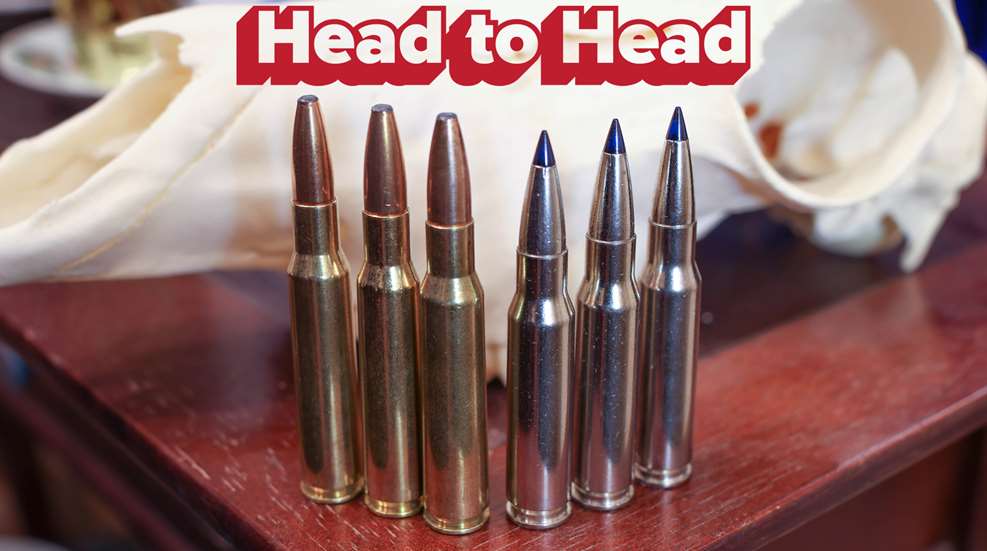
Our military cartridges have traditionally transferred very well to the hunting fields—with the exception of the .50 BMG—since the inception of the centerfire cartridge. Here in America, the .45-70 Government, .30-40 Krag, .30-06 Springfield and 5.56 NATO/.223 Remington have all proven their worthiness. And globally, the .303 British and 8x57mm Mauser have accounted for an innumerable count of game animals, from duiker to elephant and everything in between. But let us not forget a pair of military cartridges which might rank among the most versatile as well as most popular: the 7x57mm Mauser and the .308 Winchester. The former was born in the late 19th century, and the latter brought to us in the middle of the 20th century, but both have a very strong following. Both fall into the ‘all-around’ class of cartridges, and both get the job done without pounding hell out of your shoulder. Which makes the more sensible choice for the big game hunter? Let’s take a dive into this pair of classics.
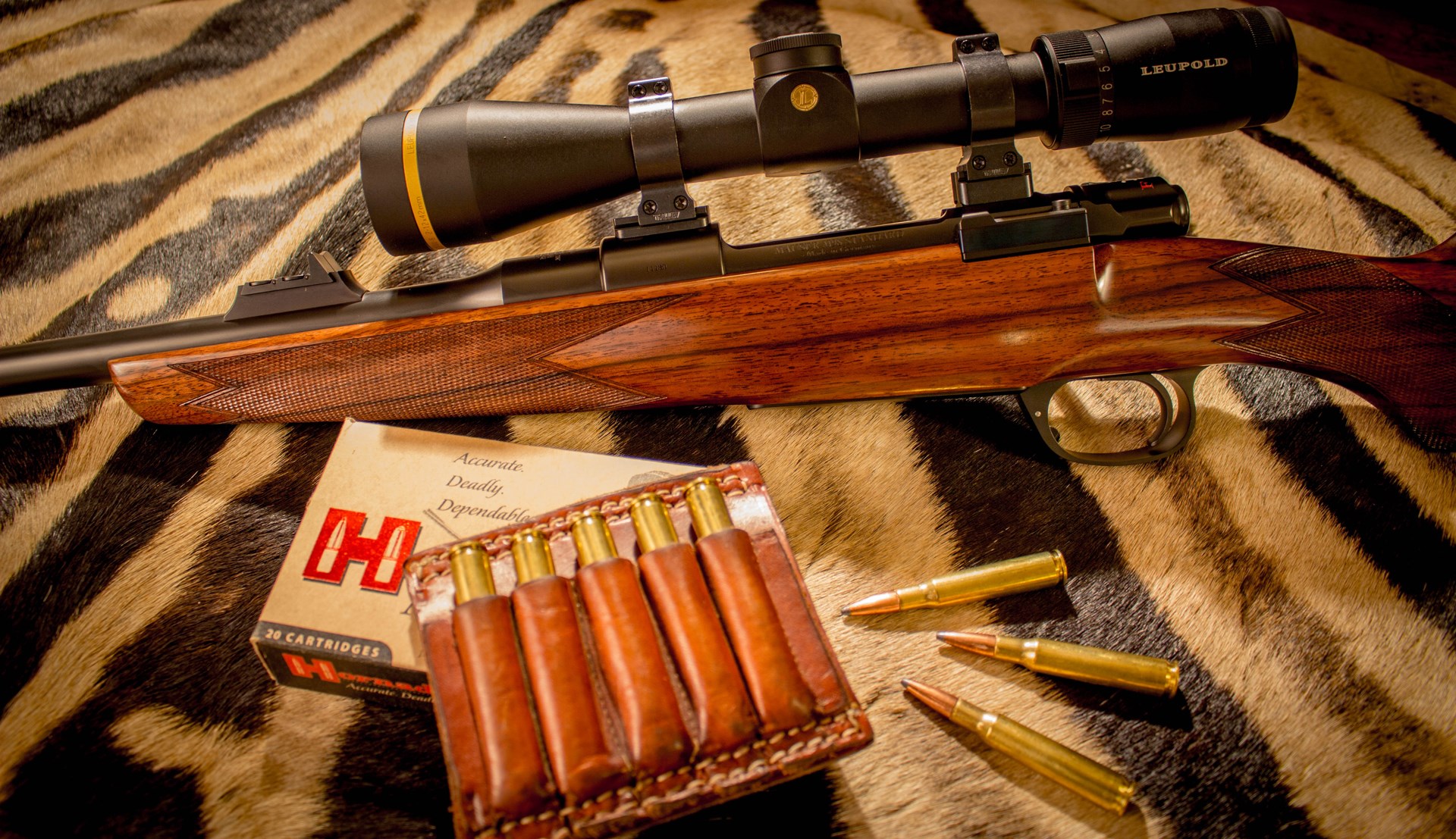 Rigby in .275
Mention the 7x57mm Mauser and hunting, and one name will immediately come up: Walter Dalrymple Maitland Bell—better known as ‘Karamoja’. You’ll hear how he shot over 1,000 elephants with his .275 Rigby rifle (the British name for the 7x57mm Mauser), but the truth is he didn’t. He did take over 1,000 elephants, but used a number of different cartridges to do so, though the .275 was responsible for the majority. The cartridge saw such extensive use—at least in my opinion—due to its ready availability in the European colonies. Designed in the early 1890s by Peter Paul Mauser for the Kingdom of Spain, the 7x57mm Mauser saw military service in Spain’s army, as well as in a good number of her colonies and territories. It was designed for use with smokeless powder from its inception, and would go on to inspire a good number of cartridge designs, including our own .30-06 Springfield. The 7x57mm Mauser is a rimless cartridge, using the 20-degree 45-minute shoulder to handle the headspacing duties. With a case measuring 57mm (2.235 inches) and a cartridge overall length of 3.065 inches, the 7mm Mauser requires a long-action receiver, though it is considerably shorter than our standard .30-06 length cartridges. It was the second to use the .473-inch diameter rim (the Patrone 88 was first) so common to many of our most popular cartridges. It was designed for use with a 173-grain bullet, and that projectile’s high Sectional Density value was part of the reason the cartridge gained such a fantastic reputation in the game fields. Bell used those “full patch” (better known as full metal jacket) bullets to great effect on the varying angles needed to reach the brain through the honeycombed bone of an elephant’s skull—long story short, the 7x57 has great penetration with those long bullets. Many of the Europeans who settled in the varying African territories used the 7x57 for marauding lions and leopards, though there might be better tools for both of those jobs, as well as for hunting the varying antelope species, including the massive eland. Here in America, one of the greatest testimonials to the popularity of the 7x57 was that it was one of the original cartridges chosen by Winchester for the original 1936 run of the Model 70.
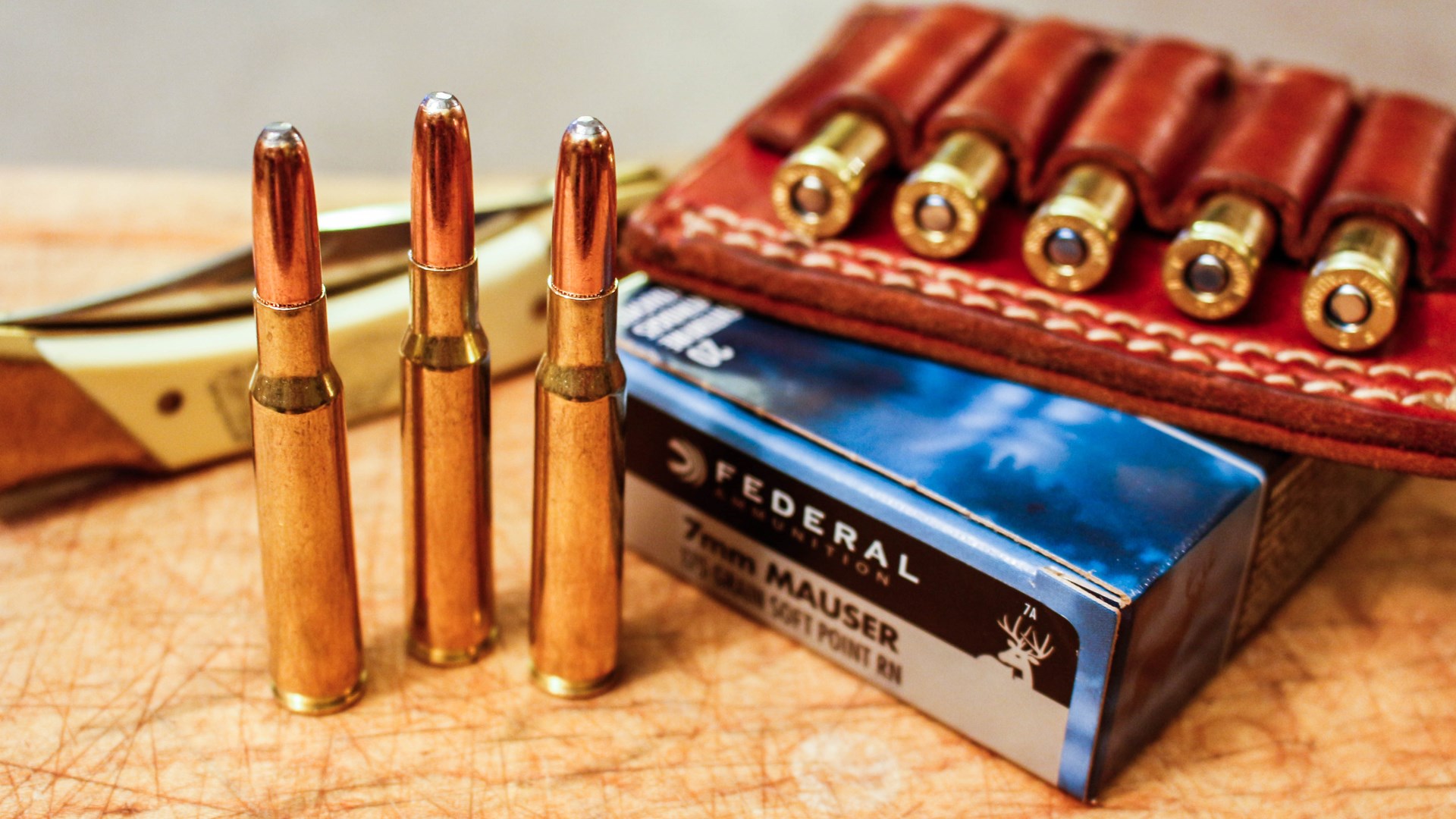
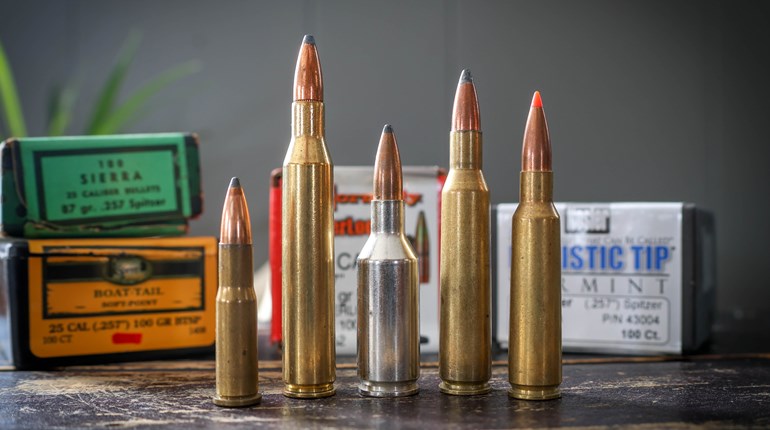
Though the 7x57 surely garnered its reputation with those heavy 173- to 175-grian bullets, the sportsman can take full advantage of the wide selection of 7mm projectiles. Many of the modern factory loads for the 7mm Mauser use a 140-grain bullet, at a muzzle velocity of somewhere between 2,650 and 2,700 fps. This offers enough power for common hunting ranges, yet is easy on the shoulder. For the handloader, there are all sorts of excellent choices of 7mm component bullets.
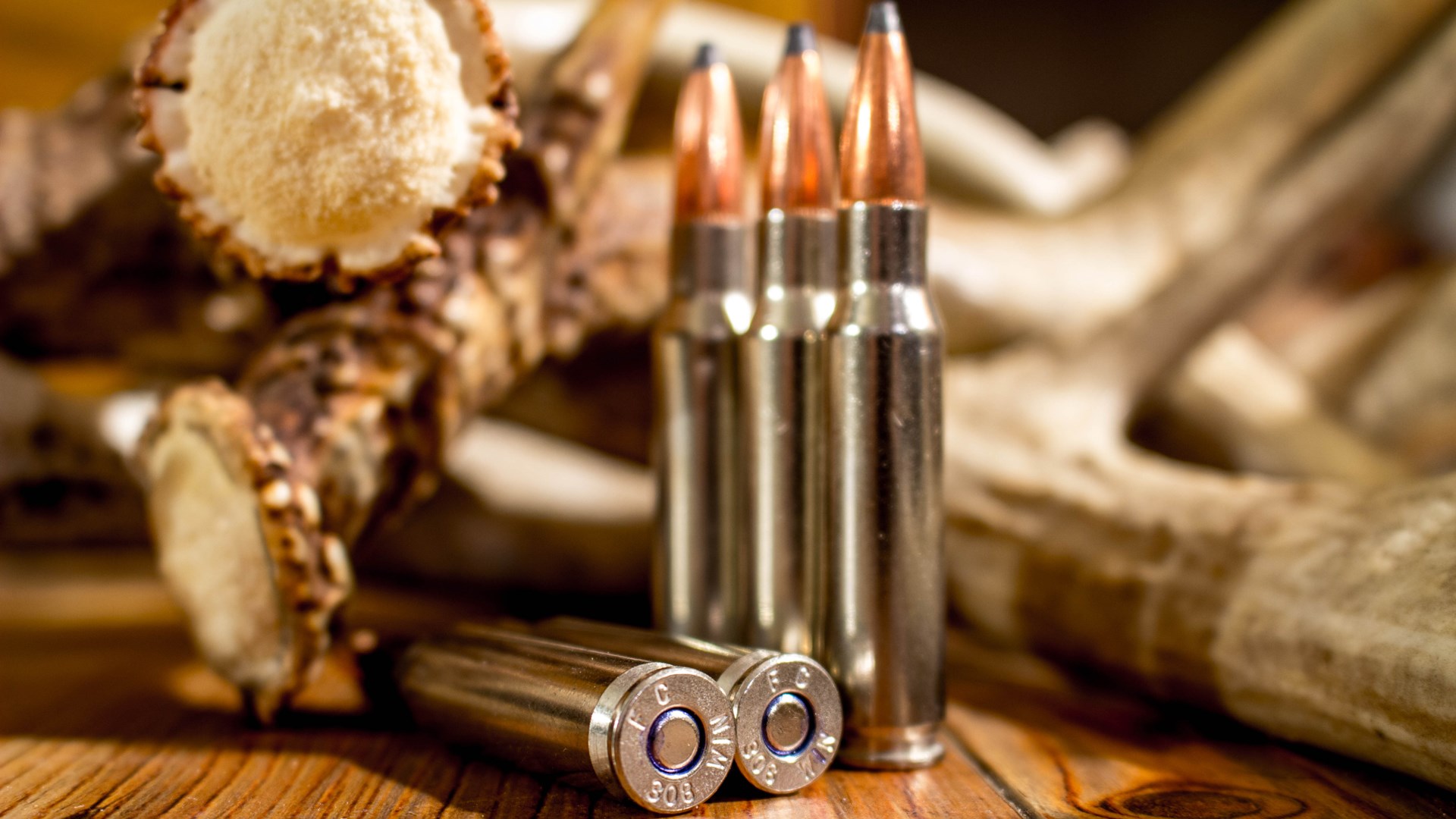
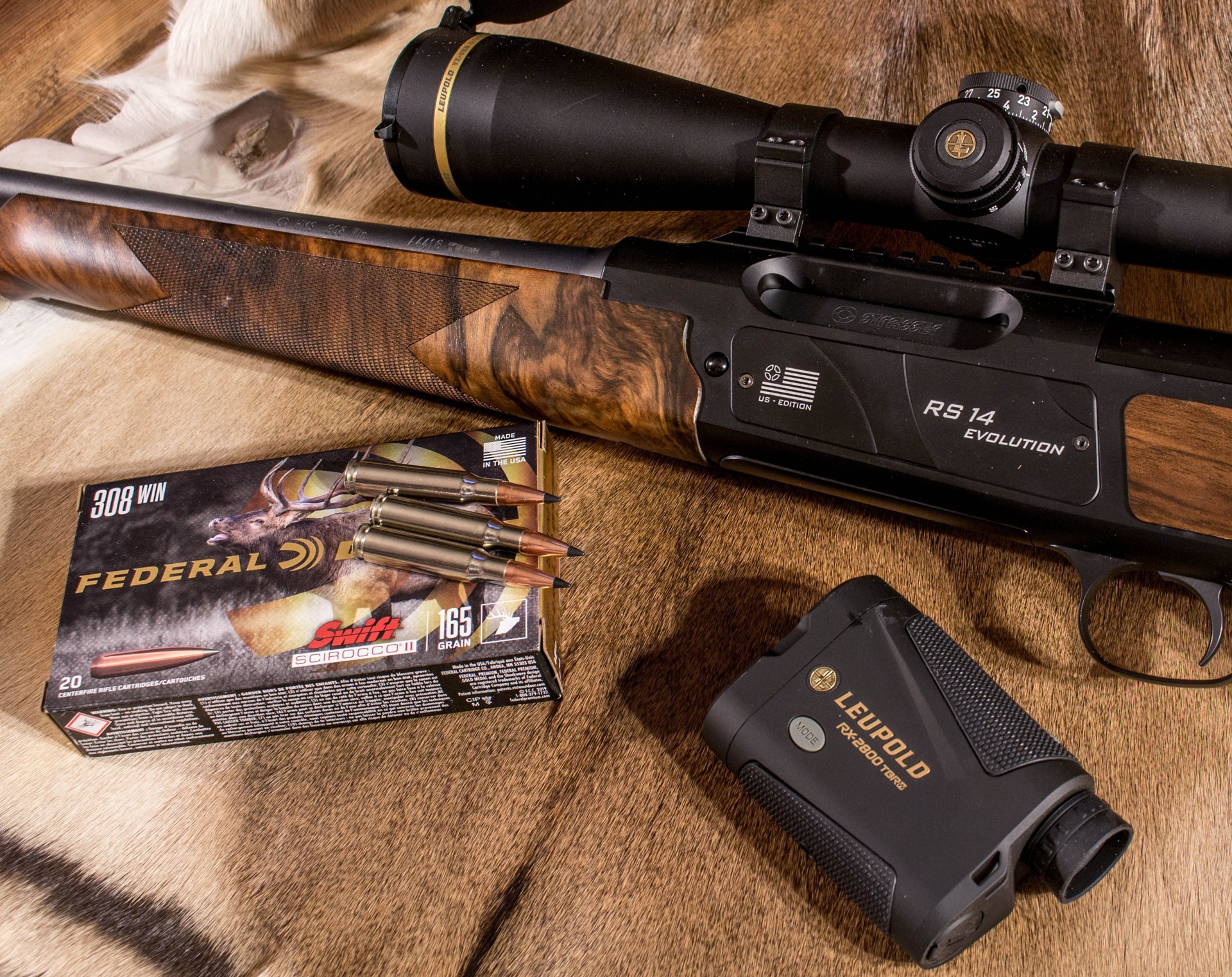
The .308 Winchester came to light as the result of the US Army’s numerous attempts to make a more compact .30-caliber design which could (generally) equal the field performance of the ’06 Springfield. The goal was to utilize modern powders to come up with a shorter (real lighter) cartridge that allowed the soldier to carry more ammunition. The process began with the 300 Savage case, but ended with what was deemed the T65 or 7.62x51mm; Winchester would actually release the civilian variant first in 1952 as the .308 Winchester. Using the same .473-inch diameter rim as the .30-06 Springfield (which came from the Patrone 88 and carried through the Mauser cases), the .308 sports a 20-degree shoulder for headspacing, but the case was shortened considerably at 2.015 inches. Using a 2.800-inch cartridge overall length, the .308 Winchester’s dimensions would go on help define a short-action rifle. The comparisons to the .30-06 were immediate, with those defending the older cartridge (America’s sweetheart) quick to cast aspersions on the new-fangled short, stubby cartridge, but the field performance quickly quieted them down. The fact that the US chambered the M14 rifle and M60 machine gun for the cartridge surely didn’t hurt the popularity of the cartridge, nor did the hair-splitting accuracy which the .308 Winchester delivered. In the hunting fields, the performance was so close to that of the venerated .30-06 Springfield that few animals complained. The writers opined that the .30-06 gave a definite advantage with the heavy 220-grain slugs, but little did they know that the upcoming projectile technology would negate that fact. Pushing the 165- and 168-grain bullets to 2,700 fps, and even the heavy 200-grain bullets to 2,550 fps, the .308 Winchester offered an effective performance level in a light, compact rifle, which could take full advantage of its powder column in a 22-inch barrel.
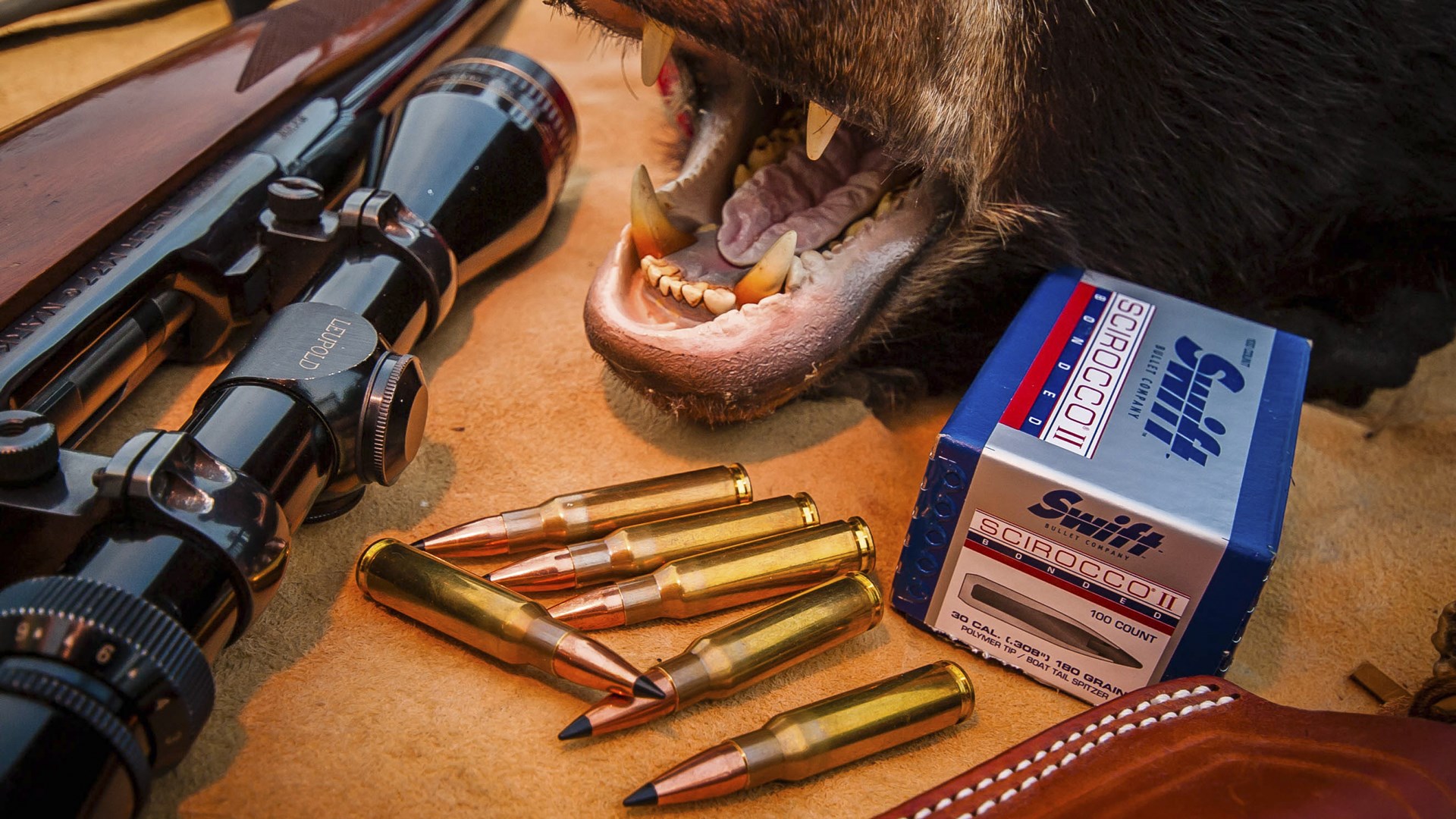
It is apparent that we have two classics here, and also a pair of cartridges which make perfect sense as an all-around choice for the recoil sensitive. Which receives the crown? I’d have a hard time putting either of these down, as both should have a place among the greatest cartridges of all time. But as I’m forced to choose, I am going to choose the .308 Winchester, for a few reasons. One, the amazing selection of factory ammunition choices in comparison to the 7x57mm Mauser assures that the hunter who’s championed the .308 Winchester will almost always have access to the latest and greatest projectiles. The 7x57 seems to be loaded with simple cup-and-core bullets by almost all manufacturers except for Nosler, who offers us a 140-grain AccuBond and E-Tip. Two, there is a slight velocity advantage for the .308 Winchester in factory ammo (most likely in deference to the older rifles chambered in 7mm Mauser), and the bullet weight selection for the .30-caliber cartridges is a bit more diverse than that of 7mm. Yes, the lighter 7mm bullets will have a higher Sectional Density (the 140-grain 7mm bullet and the 165-grain .30 will have identical S.D. values at .248), but the fact that you have the option of using the 200-grain bullets as well as dropping down to the 125- and 130-grain bullets is appealing to many who enjoy versatility. Third, while “inherent accuracy” is a debatable term, the .308 Winchester has built a good part of its reputation on its accuracy. And while I’ve used a 7x57 and/or .275 Rigby to print some very, very impressive groups, I feel the majority of the rifles on the market in .308 Winchester have shown themselves to be more accurate than many of those in 7x57; this is probably due to the multitude of used military rifles chambered for the Mauser. Nonetheless, the .308 Winchester remains synonymous with accuracy.
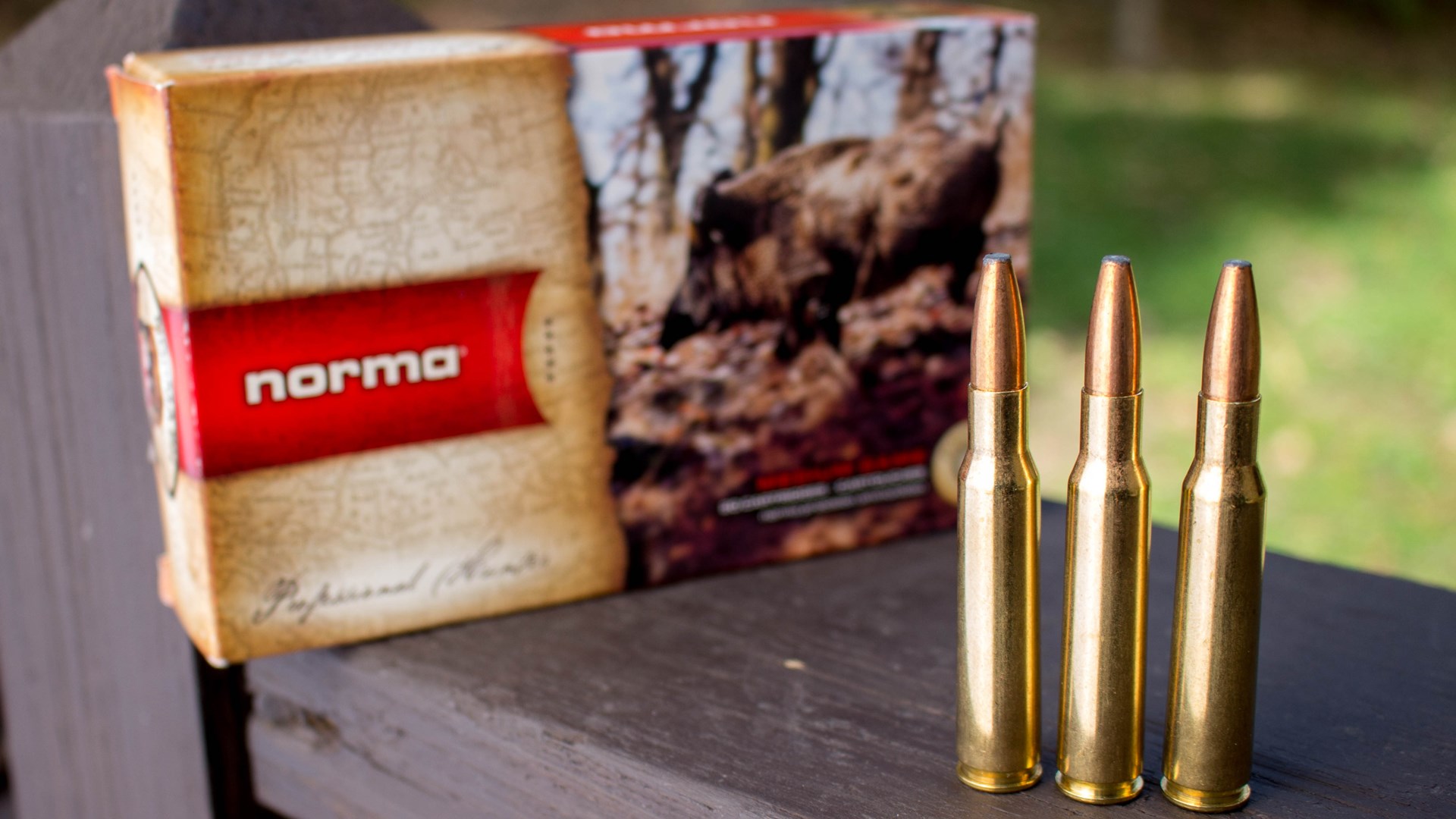
Give me a proper rifle chambered in 7x57mm Mauser, and you'll hear no complaints from me, but at heart I just like the attributes of the .308 Winchester better. Even Karamoja Bell himself—in his declining years spent deer stalking in Scotland—admitted that if he had to do it all over again, he’d base his battery around a Model 70 in .308 Winchester, for its speed of cycling. I've used the .308 Winchester routinely for over 30 years, and I don’t see that changing anytime soon.