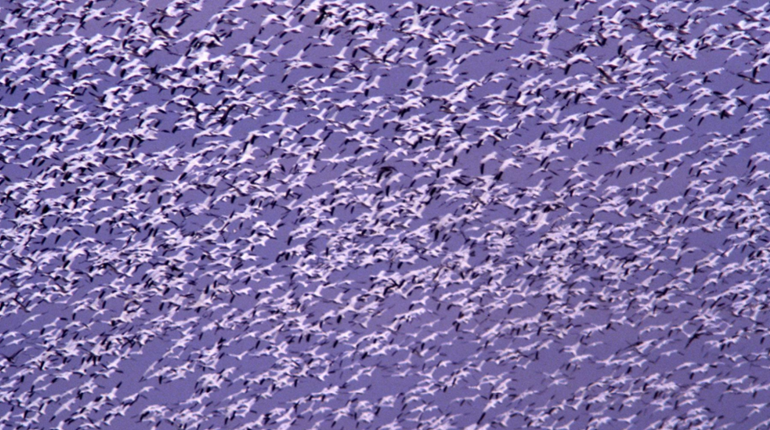
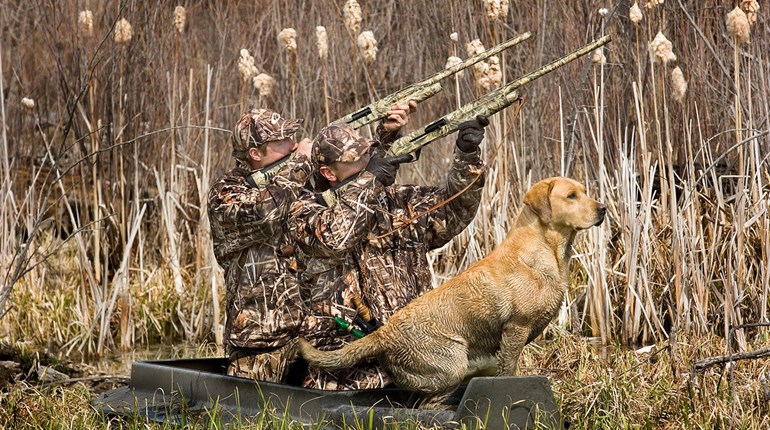
We hear the geese first. They are almost in range when they drop through fog coming off the Chesapeake. They circle, but the second time around they pull away and, wings flapping, fade into the mist. They’ve seen hunters’ decoys in fields before. Wayne Radcliffe, a pro-staffer for Avery Outdoors, calls aggressively but they won’t turn.
Not a minute later he’s working another group. They drop through the fog and circle just out of range. They seem committed, but like the others, they shift and begin to lift. This time Wayne gives the most pleading little call I’ve ever heard. The geese turn for another look and drop those last 15 yards.
“Take ’em,” says Wayne, and we drop four of six.
“That was marvelous,” I say.
“Yeah, good shooting,” replies Wayne as he looks up into thinning fog.
“No, I mean the way you shifted your tone.”
“Oh,” he says, “that’s waterfowl hunting. You have to get in tune with what they want. That takes time and simplicity.”
“Simplicity?”
He nods, but doesn’t answer my question. Not yet. More geese are coming.
Scout, Scout, Scout
After the hunt Wayne explains, “Waterfowl hunting seems simple to me now. I don’t mean there isn’t a lot to it. It’s just that when you do something long enough it seems simple.
“First of all,” says Wayne, “you can’t replace scouting. Scouting doesn’t mean just driving around and looking up. You have to go out before sunrise just like when you’re going hunting. Take a binocular and go into the marsh or wherever you plan to hunt. Listen and watch. The ducks or geese will give themselves away. If they’re not there, you might need a new spot. When you find them, watch. See how spooky they are. See what they’re feeding on. Pay attention to how big their groups are.”
Next, Wayne thinks hunters should map out the feeding areas and keep a journal of what they see. They should note the date (time of the season) and the weather conditions. He says this information helps you get in tune with how waterfowl will behave in the future.
“Don’t forget to pattern other hunters while you’re at it,” says Wayne. “Find their parking spots and access routes. Look for sloughs or ponds that are off the main marsh; search for over-looked places that hold ducks the other guys will miss.”
Calling in a Crowded Marsh
When I ask Wayne about calling ducks and geese in popular public areas he says, “You know, there are always a few guys blowing the ducks out by over-calling. These can actually help you, because they’ll move the ducks out of their spots.”
Wayne says he doesn’t call to ducks until they’re within about 150 yards—depending on the wind and how quiet things are. He says a lot of hunters just learn the hail call and the feeding chuckle. “These calls are just a small part of the ducks’ lingo,” says Wayne. He says “soft calls” are often more productive. He stresses the importance of knowing how to use the “greeting call.” This call lets the ducks in the air know the ducks on the water (your decoys) are a sociable group.
If the ducks notice his decoys and he’s greeted them but they seem hesitant, he might use the “pleading hen” call. He’ll also use a “contented garble,” soft quacks and short chuckles that mimic a bunch of ducks talking to each other. But he says, “Don’t get carried away—if the ducks are working well, be quiet. The same goes for geese.”
Match the Decoys
Scouting should tell you what types of ducks are using a particular area. “When you see a guy with all mallards in an area that mostly holds widgeons, you know that guy isn’t going to shoot ducks,” says Wayne. Later in the season he’ll also mix a few geese into a duck spread. He says he doesn’t know why this works. He just noticed that pressured ducks were more comfortable when a few geese are around. As for geese, his spreads typically get bigger as the season unfolds. “Again, it’s simply about matching the conditions,” he says. “If you can’t get out there, then keep up with local hunting forums and blogs to see what other hunters are seeing.”
Use Motion
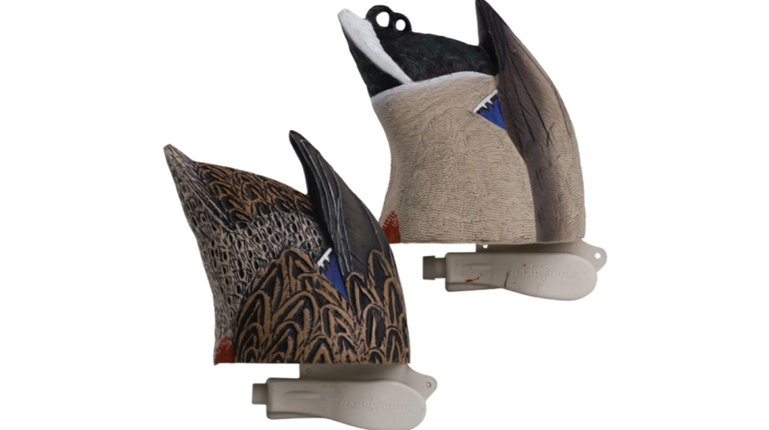
“Realism is important. Ducks or geese don’t just bob on a pond or sit still in a field. Use a jerk cord, flag or whatever devices you prefer,” he says. How much flagging or whether to use a robo duck is a matter of feel. “This takes experience,” says Wayne, “but you can speed up your learning curve by observing ducks throughout the season and tailoring your spread to the size and makeup they’re doing naturally. You’re simply trying to look like the real thing. Sometimes we forget that.”
Tell Ducks What They Want to Hear
Wayne says, “Because of my occupation I get to hunt a lot. I know how pressured they are and how much calling they want to hear.” He explains this changes as the season progresses and as cold air pushes fresh ducks and geese south. The only way to learn this is to watch, listen and allow the waterfowl to tell you what they want to hear.
What Call Should Every Hunter Have?
I joke that Phil Robertson, aka “Duck Commander,” once said, “I would only pay $150 for a duck call if after I called ducks and killed them with it, I could turn the call around and suck the feathers off the duck.” Wayne laughs and explains that every duck hunter should have a double-reed duck call that “sounds ducky.” For geese he says to start with a flute call and a short-reed call and “talk to other hunters where you go.” You can start learning to use these calls by listening to recordings, but go and hear the real thing down at a local marsh or pond in a public park. Finally, go to an outdoor show and seek out the guys in the booths selling duck calls. He says, “They’ll diagnose you pretty fast for the small price of a new call.”