by
Support NRA American Hunter
DONATE
** When you buy products through the links on our site, we may earn a commission that supports NRA's mission to protect, preserve and defend the Second Amendment. **
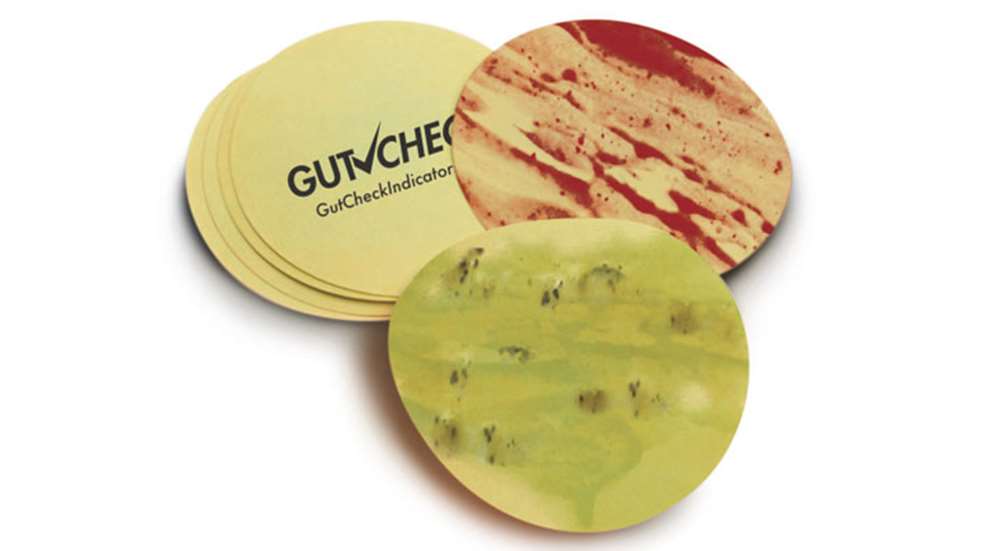
In hunting in general, but bowhunting in particular, there are few things more important than certainty in you shot placement. With an arrow, this can often be a difficult thing to tell, particularly if your shafts are colored black, which makes reading a blood smear hard. With Gut Check's new Arrow Wipes, however, any uncertainty can be a thing of the past. Simply wipe the indicator down your arrow shaft, and the reactive material the indicator is made from will immediately tell you where you've hit. Deep-red blood will stand out in stark contrast to the indicators dim yellow, while any hit on the acidic digestive system will immediately result in a sickly yellow-green color. This can make all the difference when deciding how soon to track a mortally wounded animal, resulting in less guesswork, and less game pushed miles past where they first lay by overeager hunters. For more information on this simple but effective technology, scientifically designed for whitetail, mule deer, elk and moose, check out gutcheckindicators.com. MSRP: $10.97