Arizona Bear Attack Necropsy

by
posted on June 23, 2023
** When you buy products through the links on our site, we may earn a commission that supports NRA's mission to protect, preserve and defend the Second Amendment. **
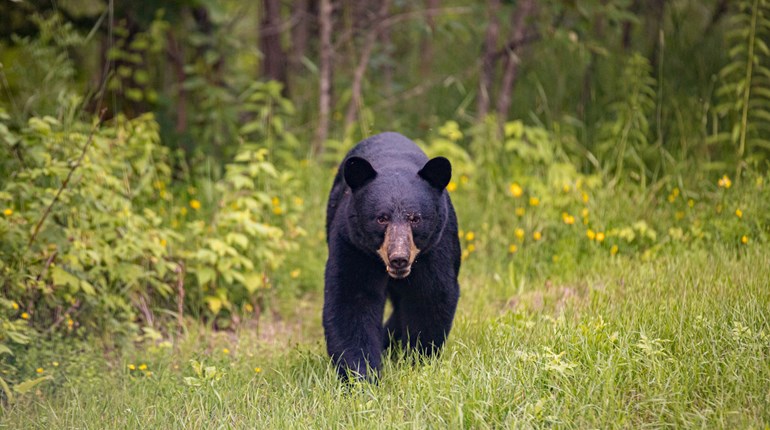
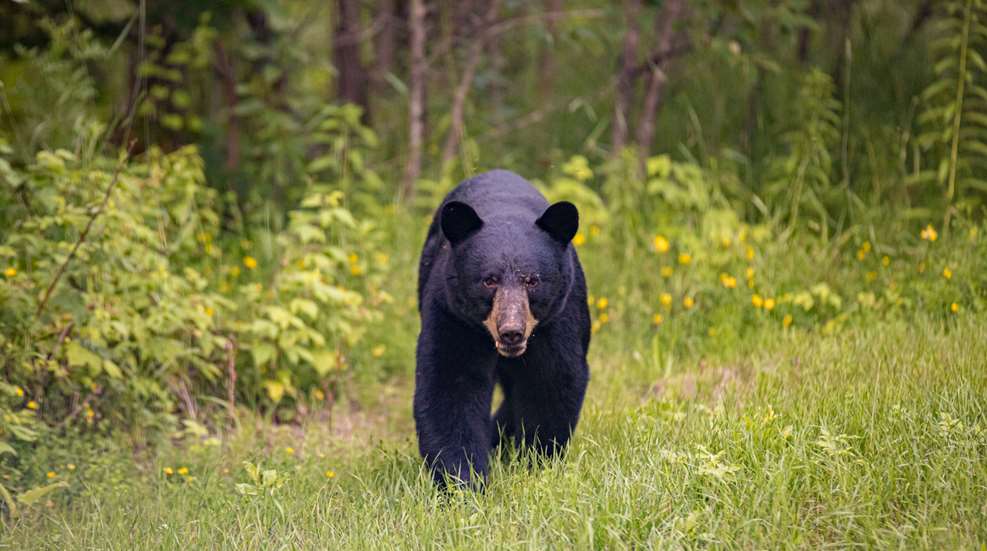
Black Bear

In the wake of last week's deadly Arizona bear attack, the Arizona Game and Fish Department (AZGFD) has conducted a necropsy on the animal. Wildlife Veterinarian Doctor Anne Justice-Allen determined the bear to be a 7- to 10-year old adult boar, of 365 pounds. Most importantly, it showed no apparent sign of disease, including rabies, which its brain stem was tested for at the Arizona Department of Health Services state laboratory. This is notable, as had it tested positive, it would have been only the second case of rabies is an Arizona bear since 1971.

Cause of death, of course, was multiple gunshot wounds inflicted by the neighbor, in his attempt to stop the attack. All signs point to this being an unprovoked predatory attack, a position also held by AZGFD officials. While such an attack is rare, it is important to remember that black bears are predatory animals, and can attack, injure and kill. 

Black Bears are the only bear species that still lives in Arizona. With a range of 7 to 15 square miles, they don't tend to roam far. In Arizona, the bears don't get much above 400 pounds, and can be colored in black, brown, cinnamon and dark blond. As with most such mammals, the bears are crepuscular, and primarily eat berries, insects and the fruit of cacti. 

While this attack seem to have been fully unprovoked, most conflicts occur due to people feeding the bears, or not disposing of garbage properly. As bears must consume some 20,000 calories per day to store up enough fat for winter, food is a hard temptation for the animal to resist. For more information on living with bears in Arizona, check out the information the AZGFD has to offer at azgfd.com.

Latest

Largest Crowd Ever
Largest Crowd Ever

Clemson University Conservation Program Reaches Endowment Goal

The Boone and Crockett Club recently announced the wildlife conservation program at Clemson University has reached its $5 million endowment goal. Thanks to more than a decade of fundraising and support led by club member Johnny Evans—and other key contributors—the studies at the school focusing on sound, scientific wildlife conservation will continue into the future.

Know How: First Guns for Junior Shooters

Curious what gun to start out a junior shooter on? Bryce Towsley is a man with experience. Read on for some tips on what to get the young hunter in your life.

New for 2026: Kent Cartridge Southern Reserve Dove

Kent Cartridge introduces Southern Reserve Dove, a purpose-built load designed for fast shooting and performance in the dove fields.

#SundayGunday: Springfield Armory SA-35 4"

Springfield's SA-35 4” maintains the “wood and steel” vibes of yesteryear, with a blued finish on the gun’s carbon steel, and checkered walnut grips. Curious about this updated version of a true classic? Check out this exclusive edition of #SundayGunday.

Will Grizzly Bear Management be Returned to the States?

When the grizzly bear in the Lower 48 was given Endangered Species Act (ESA) protection as a threatened species in 1975, it was supposed to be a temporary protection that would be lifted once populations met or exceeded specific goals. Now more than a half century later and with grizzly populations that have spread and met or far surpassed the goals set in 1975.

New for 2026: Leupold LCO Pro F2 Red-Dot

Leupold & Stevens, Inc. has launched its LCO Pro F2 red-dot sight, combining optical clarity, reliability and purpose-built features in a full-sized red dot.

Interests


Get the best of American Hunter delivered to your inbox.