By now, your muscles should be toned and your bow should be dialed in so that you’re hitting the bullseye every time at 50 yards or better. If your bow isn’t zeroed perfectly or you’re still struggling with form, these bowhunting drills aren’t for you; but if everything is on schedule and the start to your archery season is imminent, set aside a couple days for the following drills that will have you fine-tuned like a laser beam for when Mr. Big Horns saunters into your set.
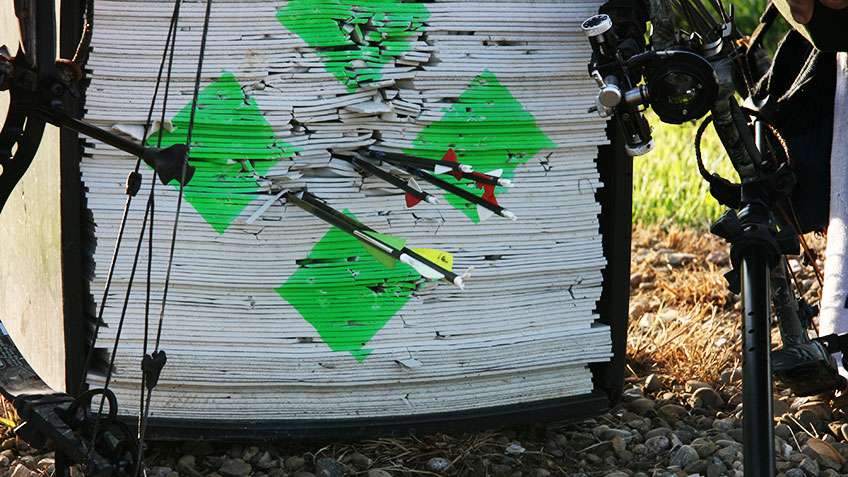
1. The Broadhead Bet
The number one mistake I see even veteran bowhunters make is not practicing—and zeroing their pins—for their broadheads. Despite what manufacturer’s claim, most broadheads fly differently than field points, so sacrifice one broadhead (and a target) and use it for the following drill. The drill requires a buddy.
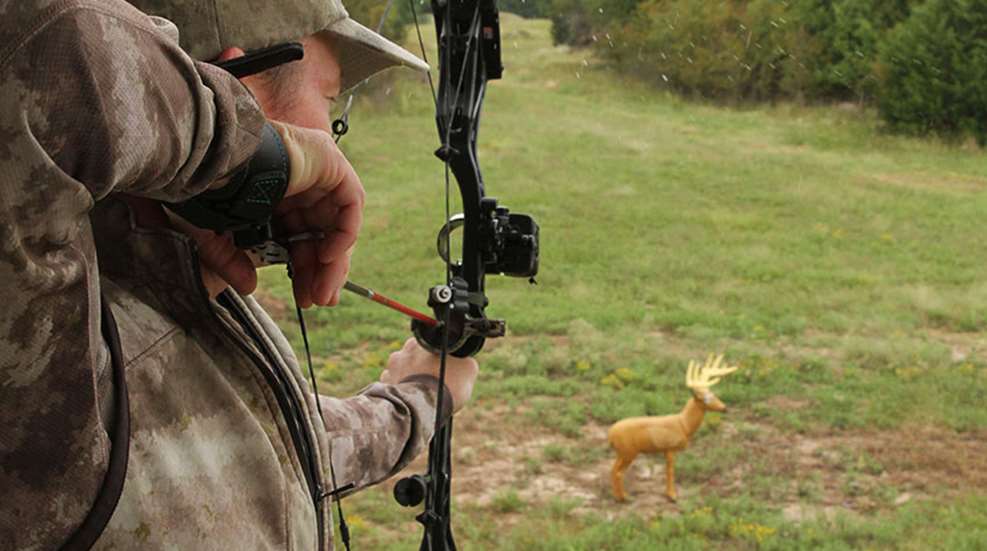
The Drill: Bet a buddy $1 per shot that you can hit closer to the center of the bullseye (or vitals on a 3D deer target) than he or she can. Place the deer at different ranges, and alternate who shoots first. Shoot only one shot apiece at each position for five shots. The money and pressure placed on each shot will better simulate some of the pressure when shooting at a real deer. You’ll find yourself concentrating more on each shot because you know that each one counts. If you miss, think about what happened and why, then focus on correcting for the next shot. Even if you lose all five bets, you’re only out 5 bucks, but it will be money well spent.
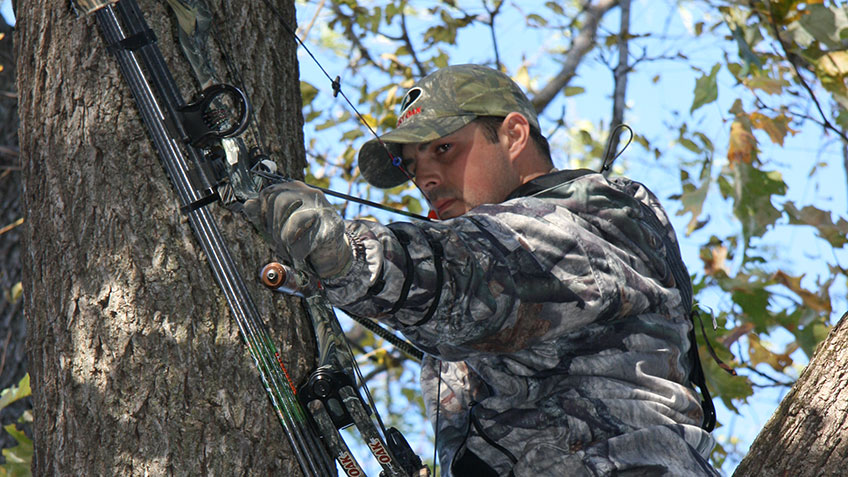
2. Elevated Position Practice
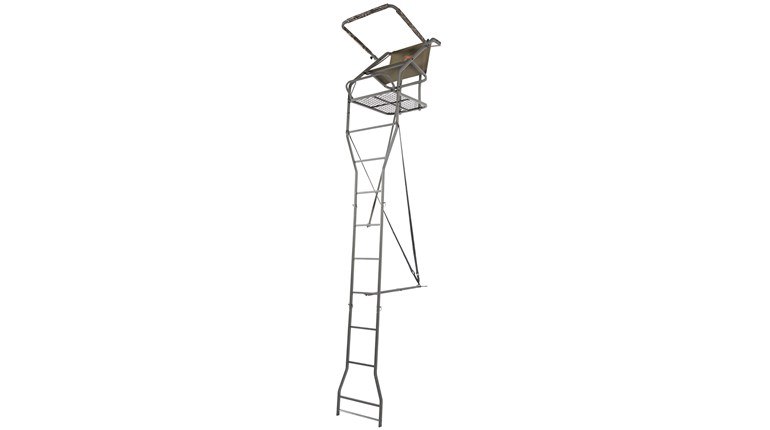
If you plan to hunt from a treestand, you’ve got to practice shooting from an elevated position—ideally one that’s the same height as your treestand. You’ll often find that slight adjustments to your zero are needed, and it will expose breakdowns in your form. If you have access to a balcony, perfect, but even better is to hang your actual stand or one like it near your practice range. Concentrate on your form while shooting by paying particular attention to bending at the waist and not simply lowering the bow arm to aim.
The Drill: Shoot three arrows, retrieve them, then shoot three more at a different range. The key is quality practice over quantity here; make every shot count.
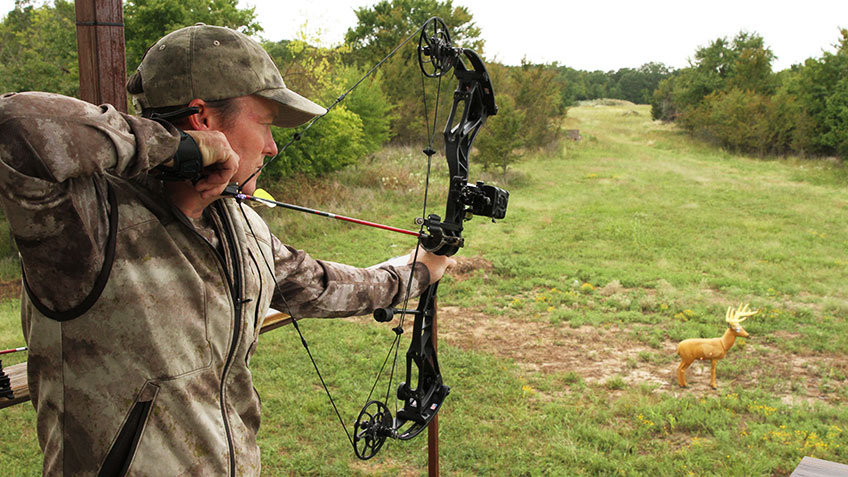
3. Random Deer Drill
You never know when or where a deer may show up, so you’ve got to learn to get in position for a shot—and fast. Often the difference in five seconds can mean shooting a buck or not getting a shot.
The Drill: From an elevated position (or from a ground blind if that’s how you hunt) turn your back or shut your eyes. Have a partner move your target at a random distance and angle. When he or she is clear, have him whistle and start a stopwatch. From the time you hear the whistle, open your eyes and find the target. Methodically range the target if you must with a rangefinder, draw silently, aim and release the arrow. Try to do all of this—while delivering a killing shot—within 15 seconds. Repeat this drill five times then switch roles with your partner.
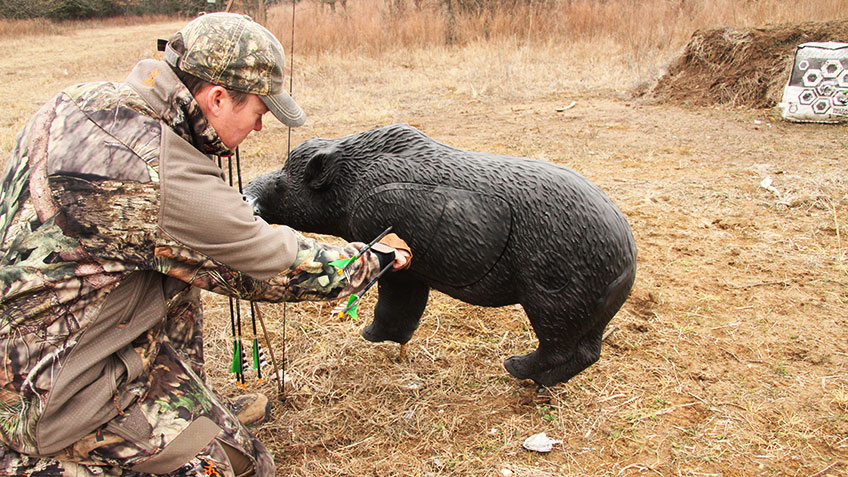
4. The Full Dress Rehearsal
The only way to know if that new jacket you bought on sale this summer at Cabela’s is slightly too bulky and will slap your bowstring is to actually try it out—before the season. The point is to try to smoke Murphy’s Law out now, rather than when a Booner buck is standing in front of you broadside, but your new hat brim won’t allow you to see through your peep sight. You might feel silly standing there in your yard fully camoed up and ready to go—and your neighbors will probably laugh—but it will be worth it.
The Drill: A day or two before the hunt, dress in everything you’ll wear while actually hunting. This includes your gloves, hat, safety harness, facemask, binoculars, jacket, grunt tube and anything that could possibly foil your best shot at a big buck. Shoot from an elevated position (or a ground blind), and simulate the actual shot. From a sitting position, see the target, and raise your bino to judge him. Reach for your bow from a tree hook and stand up. Use your grunt call, then draw, aim and place one perfect shot into the vitals. Note anything that didn’t feel right—like a glove that doesn’t feel right without the finger cut out of it—and remedy accordingly.
Take it from me, the guy who’s learned everything the hard way, so you don’t have to.