Waterfowl season is just around the corner. Here are 10 tips guaranteed to make you a more skilled, efficient shot on ducks and geese.
Get Fit
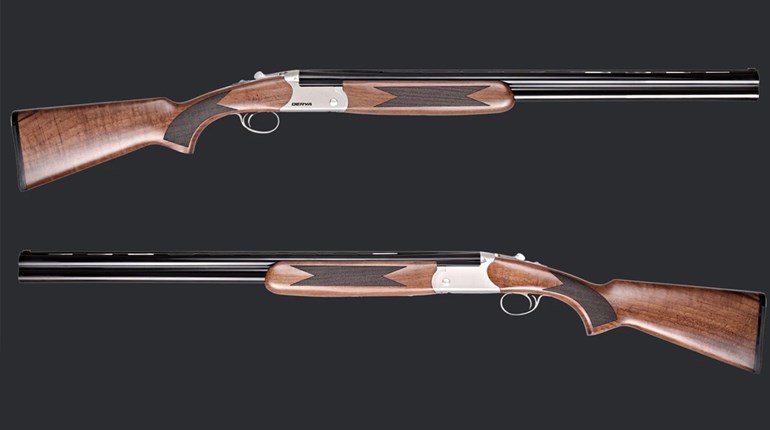
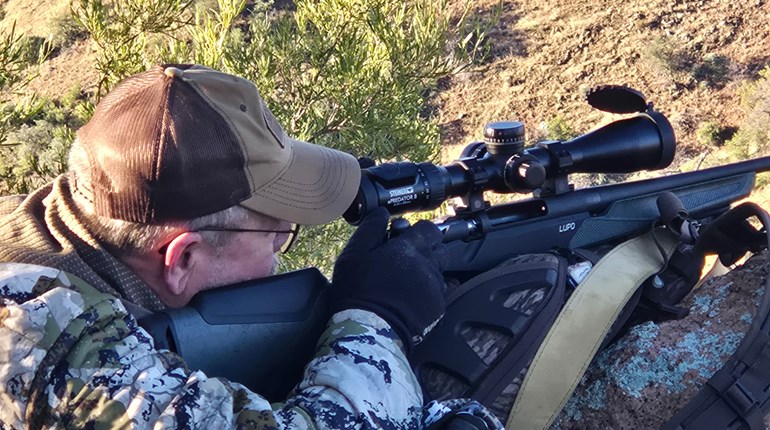
No, not physically fit—though that never hurts! By this I mean make sure your shotgun fits properly. When it does, shouldering the gun becomes almost effortless, the stock snug on the shoulder, cheek tight to the stock and your dominant eye looking right down the barrel with the head remaining erect. When this occurs the barrel naturally flows to where the eye is looking. Unless you have one of today’s new shotguns that come with an adjustable stock, there’s only one way to do this—take your shotgun to a gunsmith and have him fit it to you. Chances are it will be a tad too long. He can cut it to proper length and install and state-of-the-art recoil pad at the same time. If you do nothing else, this little adjustment will improve your shooting as much as anything.
Practice Makes Perfect
Think Tiger Woods is able to hit the golf ball as he does without practice? Not a chance. In all athletic endeavors—and shooting a shotgun is one of them—only practice will make you a better shot. Before you begin hunting, a trip or two to the local trap and skeet club or sporting clays course will help get the kinks out.
Zen and the Art of Shooting Ducks
An old shooting coach once told me the key to hitting doubles on the skeet field was to “Hurry up slow.” By that he meant be quick, but not out of control. Rarely will you not have time to fire three shots at incoming ducks without shooting uncontrollably. Take your time, pick out an individual bird, focus on establishing your swing and lead, then shoot. Follow the same procedure for each subsequent shot. You’ll hit more birds if you do.
Tunnel Vision
The worst thing a shooter can do is to not focus on a single bird, instead shooting at the entire flock. Often shooters think they are not flock shooting, but they allow the picture of the entire flight to enter their peripheral vision and end up subconsciously shooting at the mass. Focus on the bird’s head, and even if you miss the first shot stay with that bird until it drops or you are empty.
Math Lesson
If all birds approached the blind the same way, you could mathematically calculate your lead and swing speed. Since no two birds approach exactly the same, you need to let your instincts take over as you shoulder the shotgun, swing through the bird, and smash the trigger. Be too mechanical and you’ll end up with a herky-jerky swing guaranteed to miss much of the time.
Be a Swinger
If there’s a reader of this blog who can say they have never started tracking a duck or goose, then stopped swinging the shotgun before shooting it, I’ll eat my duck calls. It is imperative you keep swinging smoothly through the target even after the trigger has been pulled. Do not worry about having to get on another bird quickly or it will get away! Kill the first one first, and then worry about the next.
Last is First
When a flight of birds cups their wings, sets their feet, and begins to settle into the decoys, which one do you shoot? Most hunters would say the closest bird. The right answer is the last bird. Here’s why. When a flight of birds are about to land, the last bird in the bunch is usually a bit higher in the air than the others and is just as easy to kill as the first. When you shoot it first your shotgun is then already elevated and in a great position to track another bird that will be elevating to try and get the heck out of there. As a side benefit, I’ll bet the others in your party always choose a bird near the front, which means you’ll not be wasting two shots on one easy “dead” duck.
Tip 20 percent
When you eat in a fine restaurant today, the standard tip is 20 percent. The same is true when swinging as shotgun on fast-flying ducks crossing at 90 degrees to your blind. Swing through the bird, establish your lead—and add 20 percent before shooting. This way you’ll never shoot behind them, the most common reason for missing these tough angle shots. The best practice in the world for this is to shoot station 4 on the skeet range (the one right in the middle). Stand behind your buddies when they shoot there and you can visually see how much lead is required to make the shot.
Knock His Block Off
When a duck is flying, its head is leading it where it is going, right? So by concentrating on shooting the head and not the body you’ll be well on your way to placing your shot column in front of them and making the shot. If you do not quite lead them enough—a common problem—by shooting for the head the shot charge may still strike the body. Shoot for the body and you’ll often shoot behind them.
Tackle Them Low
In football the mantra is always tackle the ball carrier low, below the waist. When ducks are dropping into your decoys, don’t shoot for their head—shoot instead for their feet. Swing the gun through their body in a descending arc, and when the gun passes the feet, pull the trigger while continuing the downward arc of the swing. Just be aware that if the bird is descending but at a slight angle and not exactly straight down (which is the common angle) you’ll have to allow for that.
Finally, remember that while waterfowl hunting is great fun, shooting at game of any kind with the intent of killing it is very serious business. All sportsmen and women owe it to the game we hunt to take this responsibility to heart and practice as much as we can so that when the time comes, we are doing everything in our power to make clean, humane killing shots.