Shooting a muzzleloader causes two basic types of fouling: ignition-based and propellant-based. The ignition-based residue is the bulk of the primer compound that bakes onto actions and the inside of the breech plug. Most muzzleloading rifle and accessory makers also sell liquid solvents for this job. Metal cleaners that contain trichloroethylene, used in conjunction with a bronze brush, break up the carbon fouling easily. Do not forget to scrub the internal breech plug threads of your barrel.
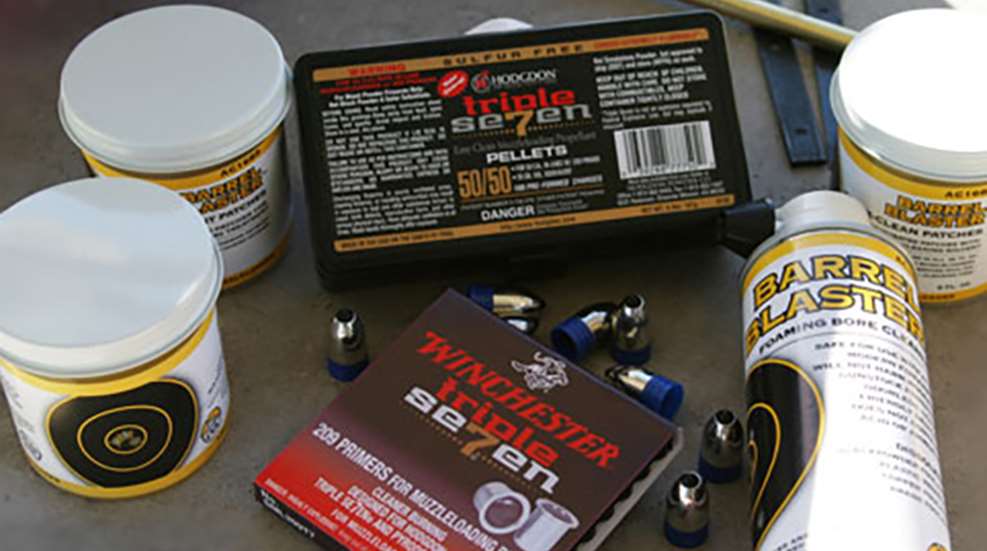
Propellant fouling depends, to some degree on the type of propellant you choose to use. Both black powder and Pyrodex contain sulfur, which is both corrosive and hydroscopic, meaning it can literally pull moisture from the air and suck it onto the metal surfaces of your rifle, which of course will encourage rust and corrosion. Some other propellants, such as Hodgdon's Triple 7 and American Pioneer Powder, are not sulfur based and this helps fight corrosion and in-barrel fouling build-up-but meticulous cleaning is still required.
In the Field
Always place some sort of covering over the end of your barrel to keep out rain, snow and grit. Electrician's tape, duct tape, the fingertips cut off of latex gloves all work. There are commercial products sold for this, too. If you have an open-breech rifle-mandated by law in some states-protecting the breech opening is also important. This step is not critical in closed-breech inline rifles that most hunt with today.
Also important is protecting your speed loaders so the propellant stays completely dry. In really wet weather I store mine inside a heavy-duty Ziploc bag.
At the End of the Day
Always unload the rifle, and the best way to do this is to shoot it into a safe spot like a dirt bank. Then you must clean the rifle. Here's what I do:
*Remove the breech plug and take the rifle action out of the stock, which allows the thorough cleaning of every nook and cranny of the gun's metal surfaces. There are several ways to do this. While hot, soapy water works fine, the better way is to use a commercial black powder solvent of some kind. The barrel should be scrubbed with a bristled bore brush, followed by several clean, dry patches, which will clean all propellant residues. The breech plug should be soaked in a cup of the solvent until all of the fouling comes off, after which you clear the flash hole with a pipe cleaner, and brush the threads with an old toothbrush or another bristle brush.
*Once everything has been cleaned, the rifle needs to dry before it is reassembled. Be sure to coat the breech plug threads with some sort of anti-seizing grease and, when replacing the plug, be sure not to over-tighten it.
*The barrel should then be swabbed with clean, dry patches to make sure all moisture has been removed, then run another patch lightly coated with some sort of rust preventative through the barrel. The outer metal surfaces should also be wiped down with a rust-preventative oil. Always remember, a little lube and lubricant goes a very long way. The entire process should take no more than 15-20 minutes.
*In the morning, before heading afield, I always load a 'fouling shot'-usually a half charge of propellant and a bullet-and shoot it off into a dirt bank before loading my hunting load for the day. That way, my hunting load can be fired from the same lightly-fouled barrel conditions time after time, something critical to achieving consistent accuracy.
Organization
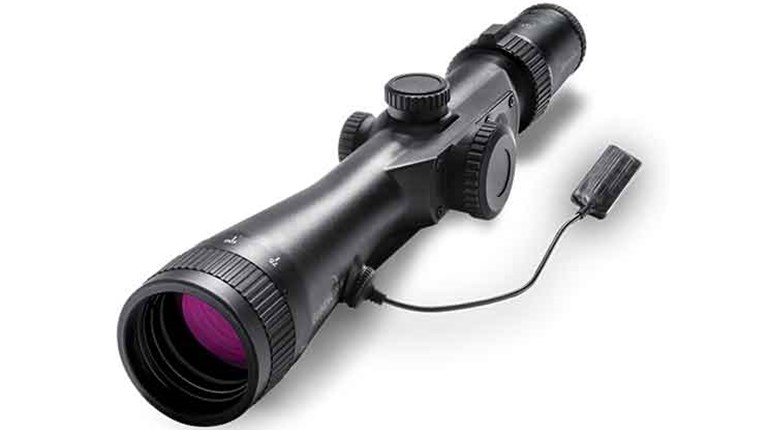
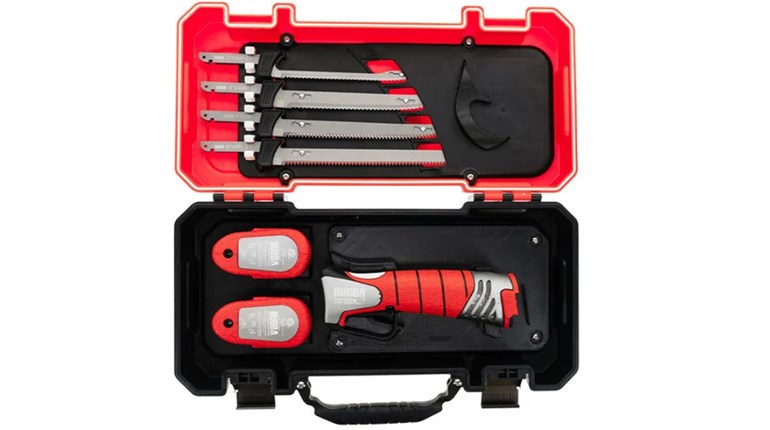
I have a large plastic tackle box now labeled "muzzleloader cleaning supplies" that comes to both the range and hunting camp with me. In it are all sorts of cleaning supplies-dry patches, pre-lubed patches, patches pre-soaked in solvents, spray bottles of commercial solvents, light machine oil, anti-seize grease for breech plug threads, tools like Allen wrenches, a multi-tool and so on. In a separate small container is an assortment of rod tips, jags and bullet starters, along with bore brushes, pipe cleaners, spare parts and whatnot. I also have lens cleaner for my riflescope.
It is very important to organize your cleaning supplies for a couple of reasons. First, to do the job right you need a lot of "stuff," and unless it is all located in something like a tackle box, as sure as the sun rises in the East you'll leave something at home. And no matter how careful you are, you are going to lose jag tips, brushes will wear out or a solvent bottle will suddenly be empty. Having spares where you can quickly find them makes it all much easier.
Finally...
The whole point of the exercise is to prevent caustic materials from ruining your rifle and keep fouling and corrosion from allowing the rifle to do its job-namely, placing your bullet into the vitals of a deer every time, no matter the conditions.
The way to do that is to follow a meticulous maintenance program. It may be a hassle, but will pay big dividends in the long run.