If you could go back in time to the late 1700s and take a ride in a canvas-covered wagon, you’d see elk—lots of elk—roaming the open plains. Like buffalo, elk preferred the milder winters and protein-rich grasses that the cedar-dotted canyons and sage-sprinkled plains provided.
Take that same wagon ride 100 years later, and you’d see much fewer elk spread across the sunlit plains. Why? Market and persistence hunting to fuel an expanding nation put a massive dent in the elk population. Herds that survived the onslaught of lead found sanctuary in the timbered Rockies, and until recently, that’s where most herds remained.
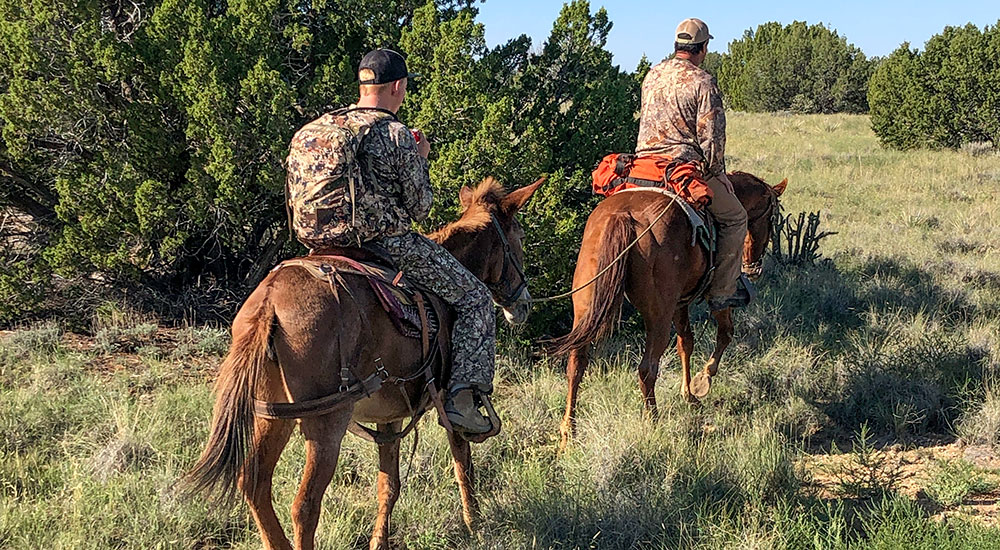
A Change in Elkology Offers New Opportunity
Pool a group of never-been-West hunters and ask them what their dream hunt would be, and I can promise you elk will top the list. It’s not hard to see why. Elk are majestic and brilliantly colored in tan, white and dark-brown blazes. The bulls grow impressive headgear and scream their mating call into the fall air. They also happen to live in some of the most scenic landscapes the Creator ever designed. Sounds like a dream come true.
But the truth is the joy of this romanticized adventure goes out the window when you’re on a DIY hunt humping a 35-pound pack through rugged country for days on end and you see more orange-clad hunters than elk. Many DIY hunters find hunt pressure is so high when they come West searching for elk on public-land units that they often decide the effort is fruitless, and they never return.
Elk have sensed the increasing hunting pressure, too, and nothing affects animal behavior more than human intrusion. When you couple hunt pressure with growing elk herds across much of the West, you begin to understand why elk are starting to show up in locales they haven’t inhabited since long before our grandparents were alive. While historically fringe elk areas may not be rich with numbers just yet, elk are coming back; hunt pressure is limited, and tags are easy to come by.
A prairie dweller but a mountain lover, each fall for as many years as I can remember, I would leave my little house and head for the Rockies. I love the high country, but family obligations have recently forced me to change my mindset in search of closer opportunities.
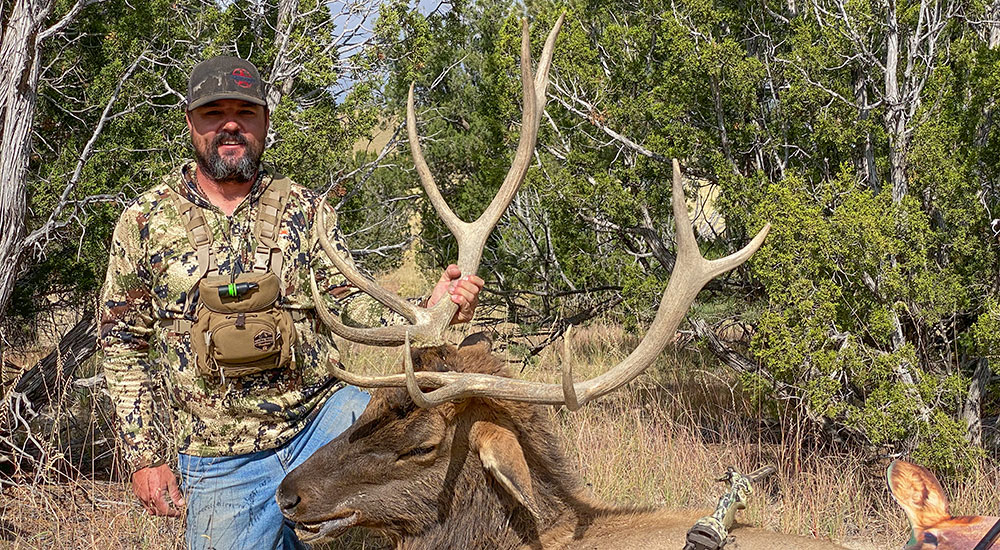
During the summer of 2020, I started piecing together the plains elk puzzle. I tracked the prairie rains and used digital mapping apps to locate areas of heavy cedar pockets and small canyons that butted up to open pastureland quenched by moisture from the sky. Next, I located stock tanks and prairie ponds. Elk are giant creatures and need to drink regularly, especially in areas where fall temps can still reach into the 80s and 90s. Plus, bulls love to wallow as part of their mating ritual. Water is a critical ingredient to plains elk success.
After dropping pins on my HuntStand digital mapping app, I drove to each area to scout on foot. I found old rubs, especially around prairie ponds, plenty of tracks and enough droppings to pique my interest. My daughter and I even kicked up a small herd of cows and calves in one location.
Knowing elk wouldn’t be around every cedar tree, I hunted extremely cautiously that first fall. My summer scouting, along with a handful of trail-camera images, told me where I needed to be. I knew if I blew the small number of elk out of these sparsely timbered areas they wouldn’t return, and a new herd wouldn’t likely take their place. I hunted for 17 days and saw elk each day before I earned a close encounter. That bull bugled with more frequency and intensity than any mountain elk I’d ever heard as he scrambled to keep a single satellite bull away from his girls. And I never saw another elk hunter.
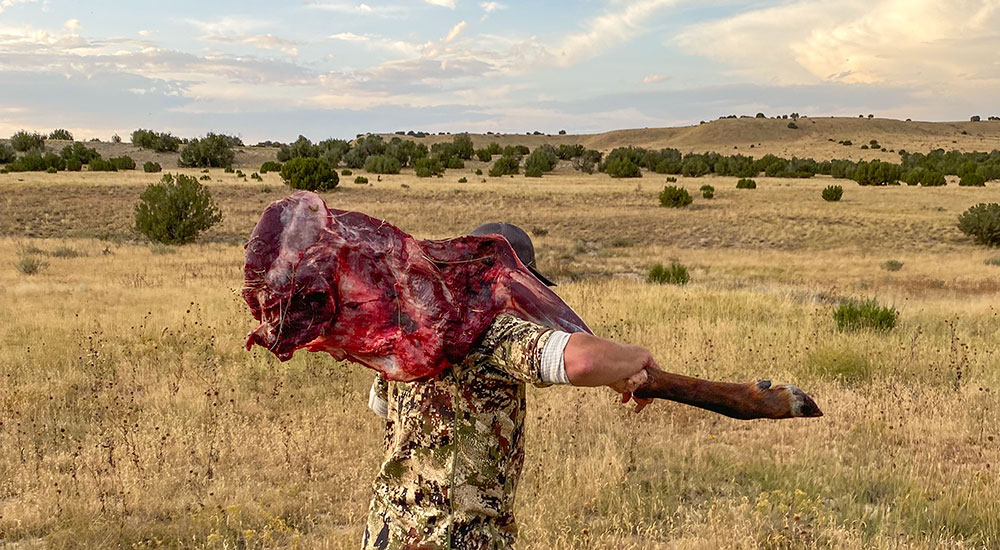
This past fall, with the aforementioned hunting area plagued by drought, I chased the rain and found water—and elk—at a new location. My hunting companions and I had done our homework, and though temperatures were in the 80s, we found the only elk for hundreds of miles around: four bulls tending cows amongst an 80-acre cedar pocket adjacent to a small pond, and they were screaming. We found these elk by spending lots of time behind the glass, listening for faint bugles and chasing the moisture.
It’s important to understand that plains and fringe-area elk zones are often low-odds success hunts. The trick, of course, is finding the elk. But when you’re not battling other hunters, elk usually act like elk, so finding them can be a little easier.
Tips for Plains Elk
Keep these tips at the forefront of your brain when chasing plains elk.
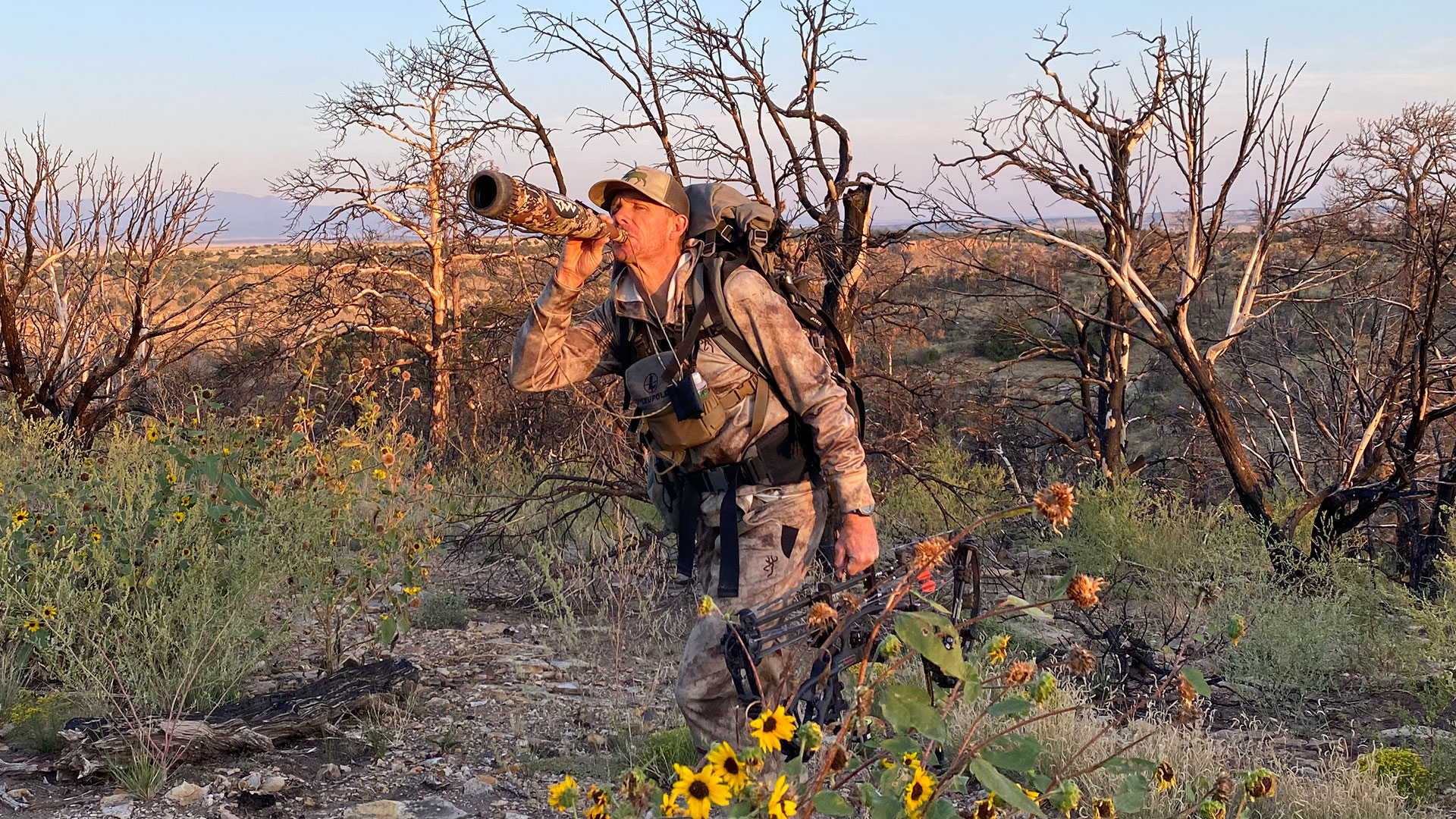
• Use your calls. I’ve seen bulls walk miles with their nose in the air and an ear tuned to the sky searching for a lady. When numbers are low, get loud on the cow calls and the bugle tube.
• Get good glass. The western plains are extensive and open. A quality binocular and spotting scope will save you from burning lots of boot leather.
• Bring horses. Not only are horses great for covering ground, but if you kill a bull deep in a public-land tract, they make the haul out much more manageable. If you’ve got access, bring them.
• Use a decoy. Don’t tar and feather me for this one; I’m not promoting unsafe hunting on public ground. I use Ultimate Predator’s bow-mounted Cow Elk Decoy when bow and gun hunting on the plains, and I wrap the orange straps around the decoy’s ears for safety. The cloth decoy attaches to your bow’s riser, and when gun hunting, I simply hold it up for a buddy or stick it in a cactus or sage patch. Elk are visual creatures, and on the plains this piece of equipment can make your hunt.