The Pros and Cons of an Over/Under for Ducks

by
posted on July 26, 2013
** When you buy products through the links on our site, we may earn a commission that supports NRA's mission to protect, preserve and defend the Second Amendment. **
dogs_ah2015_fs.jpg (22)

For several waterfowl seasons I’ve tossed around the idea of swapping my autoloader for a double gun. This year I may finally get serious about it. My grandfather has gifted me an old Franchi over/under, and I relish the idea of sending him a photo of me holding his shotgun and a brace of mallards. Still, I’m torn as to what to do. As I see it, here are the pros and cons of shooting an over/under in the duck blind.

Pros:

Shootability
I don’t know why, but I’ve just always shot a double barrel better than a pump or autoloader. Do they balance better? Some say so, but I think it boils down more to personal preference.

No Side-Ejection
An over/under doesn’t eject shells into your buddy’s face or scatter them haphazardly, requiring cleanup.

Class/Nostalgia
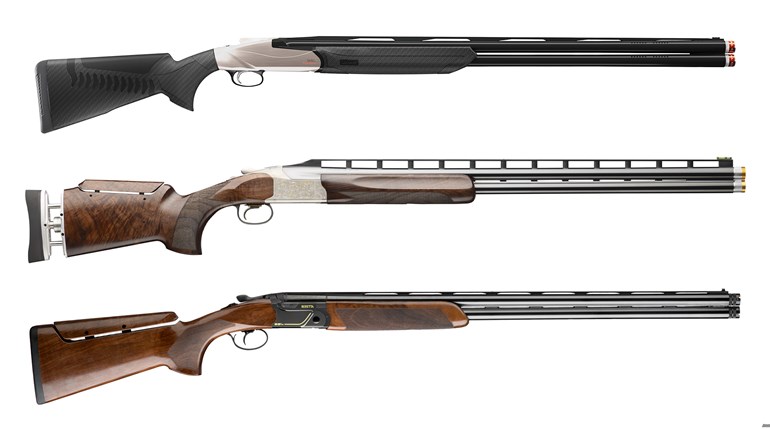
Call me a snob if you will, but to my eye no firearm surpasses the beauty of an over/under shotgun. Plus, before there were magazine guns, there were only sidelocks. A gun with two barrels is a connection to waterfowling’s past.

Cons:

Two Shots Only
I don’t often use my semi-auto’s third shell to shoot a duck from the sky. They’re typically out of range by then. But it sure comes in handy for giving ducks the coup de grace on the water.

Durability
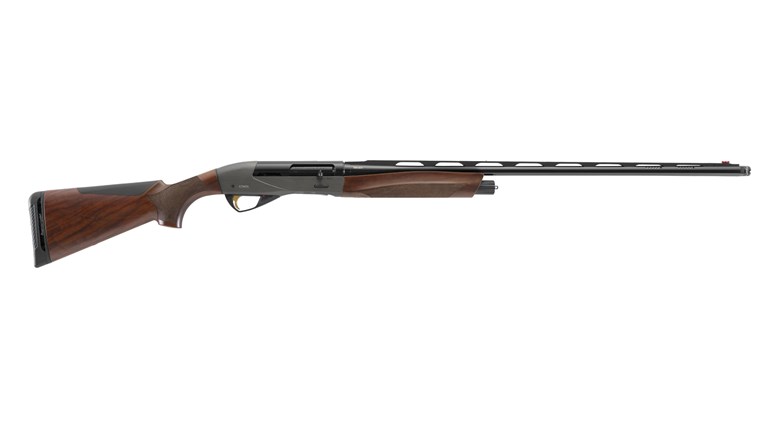
If you want something to rust or get dinged up, take it duck hunting. I don’t worry about getting my magazine guns covered in salt spray or caked in mud—that’s what I bought them for and their synthetic stocks are built to handle it. However, most over/unders—including grandpa’s—have wood stocks and blued barrels. Many are also expensive, but with grandpa’s gun I’m mostly concerned about the sentimental value—I do not want to destroy it.

Shine
Most of today’s magazine guns for duck hunting reduce shine with blackened finishes or camo dips. Most over/unders sport blued barrels and often oiled wood finishes. Fancy, shiny guns don’t exactly keep a low profile for all those eyes in the sky.

Given my indecisiveness, I say we take a vote: Should I take grandpa’s over/under duck hunting? Have you ever shot ducks with a double-barreled shotgun?

Latest

LEDENRA YES Logo
LEDENRA YES Logo

NRA Announces 2026 Y.E.S. Grand Scholarship Recipients

The National Rifle Association has awarded $15,000 in college scholarships to attendees of the 2025 NRA Youth Education Summit (Y.E.S.) through the Y.E.S. Grand Scholarship program.

Recipe: Venison Empanadas

When Brad Fenson makes venison empanadas, the goal is simple. Keep the meat front and center, add enough flavor to complement it, and make a filling that stays juicy without overpowering the wild proteins. The filling is rich, balanced, and built to highlight venison, whether baked or fried.

Proof Research Unveils Shorter Barrels for Elevation 2.0 and MTR 2.0

Proof Research has announced shorter-barrel configurations for the Proof Elevation 2.0 and Elevation MTR 2.0. Both the Proof Elevation 2.0 and Elevation MTR 2.0 in shorter barrel configurations are available in Tactical Flat Dark Earth (TFDE) and the all-new Midnight color, offering shooters greater customization options alongside Proof Research's carbon fiber technology.

Range Review: Midwest Industries Bounty Hunter Revolver Brace

Thanks to Midwest Industries new Revolver Brace, you can easily mount a stabilizing brace to your favorite hunting revolvers. Check out B. Gil Horman's review of this game-changing product.

First Look: Marlin Mad Pig Customs Model 1894

Marlin has introduced its Mad Pig Customs Model 1894, a rifle developed—as its name implies—in collaboration with Mad Pig Customs. Built on Marlin's iconic lever‑action rifle platform, this model delivers modern, factory‑installed features previously found only on custom builds.

Funding Authorized to Conserve Critical Wetland Habitat

The Department of the Interior has announced that $44.79 million in North American Wetlands Conservation Act (NAWCA) funds have been approved by the Migratory Bird Conservation Commission. They will provide the U.S. Fish and Wildlife Service—and its partners—the ability to conserve, restore or enhance 185,203 acres of critical wetland and associated upland habitat for migratory birds across the United States.

Interests


Get the best of American Hunter delivered to your inbox.