Did Coyotes Cause Spread of Ticks, Lyme Disease?

by
posted on July 31, 2012
** When you buy products through the links on our site, we may earn a commission that supports NRA's mission to protect, preserve and defend the Second Amendment. **
dogs_ah2015_fs.jpg (19)

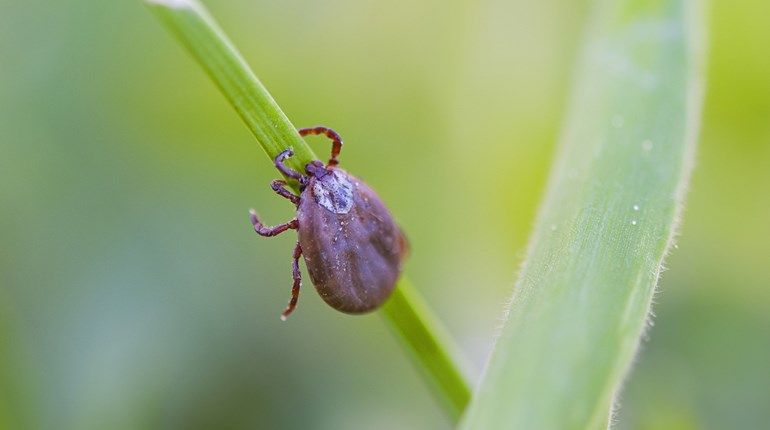
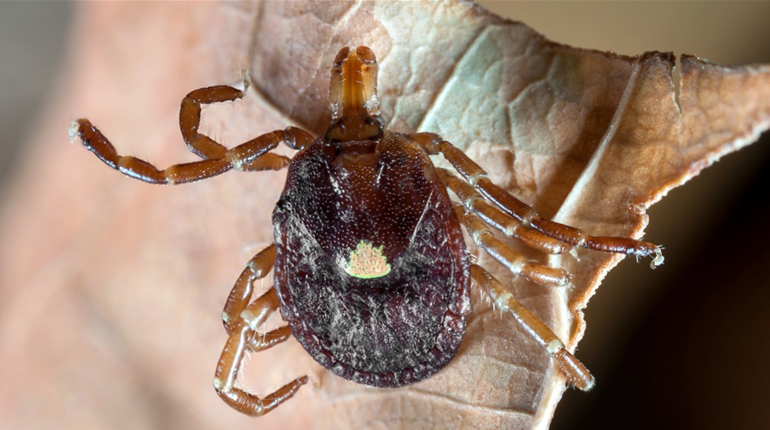
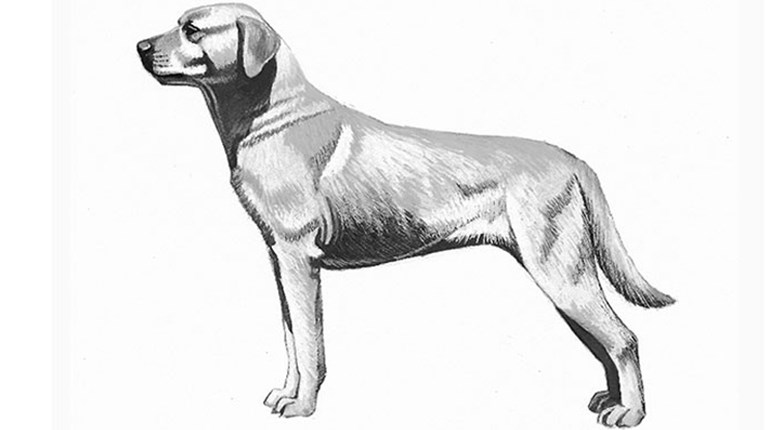
After Lyme disease reared its ugly head in 1975 and subsequently spread throughout much of the country, it changed how we care for our gundogs. We vaccinate them against the disease. We check them for ticks after every hunt. And we apply monthly tick repellents such as Frontline and Advantix. Yet, if you own enough dogs over the course of enough years, it's likely one or even a few will contract Lyme. And let's not forget that you yourself are susceptible.

The funny thing about Lyme is how little we still know about it. We don't even know for certain how it came about, but it's been assumed that overpopulated deer herds facilitated a boom in the tick population and, therefore, the Lyme epidemic. But a new study out of the University of California-Santa Cruz defies the conventional wisdom, suggesting that the spread of coyotes across the northeastern United States had far more to do with the tick-Lyme boom than deer.

According to the study, the removal of wolves by settlers of the northeastern United States paved the way for coyotes to spread east (wolves do not tolerate coyotes in their territory). And, as coyotes have entered the northeastern United States, which is outside their traditional range, they have in turn taken a toll on red fox populations.

"A new top predator has entered the Northeast and has a strong impact on the ecosystem," study researcher Taal Levi said in a statement. Coyotes kill a lot of foxes and, more importantly, he said, " ... Foxes often don't build dens when coyotes are around."

So, what's this have to do with Lyme? According to the study, fewer red foxes have allowed their favorite foods—namely mice, shrews and chipmunks—to greatly expand their populations. And such rodents are just as susceptible to carrying and spreading deer ticks as deer are.

What do you think? Could it be that the current scourge of Lyme-carrying deer ticks was caused by something other than deer?

Latest

CH990, Mark Kayser Prefers To Boost A Coyote's Confidence On Setups, Copyright Mark Kayser

How To Pull Coyotes Close

Use these strategies to lure coyotes into confident shooting range.

New for 2026: Savage 110 Trophy Series

Savage Arms has introduced its 110 Trophy Series. As part of the overhaul of the Model 110, the 110 Trophy Series is a four-gun lineup of rifles incorporating the 110 Trail Blazer, 110 Trail Blazer XP, 110 Ridge Hunter and 110 Carbon Hunter.

#SundayGunday: Dead Air Nomad 30

This week on #SundayGunday, we’re checking out the Dead Air Nomad 30, the 30-caliber hunting stalwart of Dead Air’s suppressor lineup. The stainless-steel can tips the scales at less than a pound, despite being rated for calibers up to .300 Norma Magnum, and 4400 ft.-lbs. of energy. For more on the Nomad 30, check out this exclusive video.

Eye on the Future of Hunting and Conservation

The dedication to passing on the enthusiasm and understanding of hunting’s role shows in the number of courses, seminars and special hunts already on the calendar with various state game and fish departments, and conservation organizations. Here are a few that crossed my desk just last week, but there are dozens of others—likely a few near you.

Funding Boost for Migration Corridors

On Feb. 11 Secretary of the Interior Doug Burgrum announced nearly $8 million would be added to the Western Big Game Seasonal Habitat and Migration Corridors grant program’s base funding of $2 million this year.

Winter: Prime Time for Small Game Hunting

Chasing rabbits and squirrels with friends is the perfect way to pass the cold winter days.

Interests


Get the best of American Hunter delivered to your inbox.