Predator Hunting: How to Use a Mouse Squeaker

by
posted on March 5, 2019
** When you buy products through the links on our site, we may earn a commission that supports NRA's mission to protect, preserve and defend the Second Amendment. **
mousesqueaker_lead.jpg

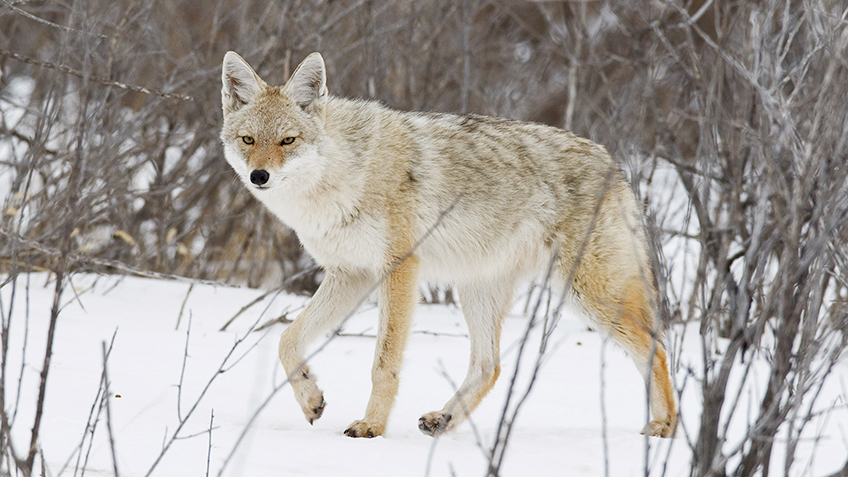
When you call predators in river bottoms, woodlots or just about anywhere outside the big country of the West, you don’t expect to see them until they get close. You see them when you can. They are moving fast, often to get around you. Their body language is caution mixed with excited expectation. They want to get to the meal, but they don’t want to run into something that can harm them. They want to get downwind to find out what’s there.

If the setup is any good a coyote or fox will have to expose itself to get downwind, but a lot of setups just don’t give you this option. Besides, predators by their very nature are wily. In these setups a mouse squeaker can help. It is a convincer when hunting in cover, especially on quiet days. A mouse squeaker is almost useless out on the windswept prairies, but it is a much-overlooked tool everywhere else.

HOW TO HOLD: Using these calls is as simple as squeezing a small ball. The trick is to take it out of your pocket and keep it in your left hand (for right-handed shooters). Hold the squeaker with your thumb and pointer finger while you hold your gun’s fore-end with the rest of your hand.
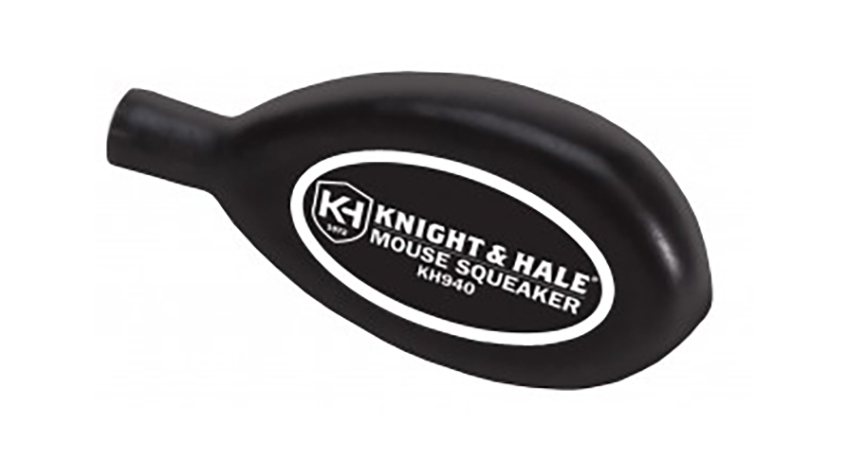
WHEN TO USE: When you see a patch of fur in the brush, squeeze the squeaker two or three times. If you even suspect a predator is close, use the squeaker. Often bobcats are the most reluctant to respond aggressively, but a mouse squeaker can convince them to approach or at least make them curious enough to present a shot.

WHY IT WORKS: A call, even a mouth call, that is suddenly loud and screaming can spook a timid fox or coyote that has snuck in close. When one of these predators hears the squeaker, however, it will often become immediately convinced and turn right toward you. Mice are perhaps the most common food source for coyotes and foxes. A squeak is a sound they are used to hearing from rodents but not likely from hunters.

Latest

WB355, Whitetails Use Their Nose Moe Than Any Other Sense, Copyright Mark Kayser

Three Whitetail Traps to Set for Close Shots

Your whitetail hunting location may be as expansive as a national forest or as small as an uncle’s 40-acre woodlot. In either scenario, whitetails have a knack for slipping by just out of shooting range. Whether using a firearm or archery equipment, you do have options to lure whitetails closer. Consider setting a trap this season for your best opportunity at an ethical, in-your-face shot.

Don't Fight the Feeling: Setting up a Booner Bowhunt

When your gut tells you to hunt, don’t fight the feeling. Josh Woods didn't, and dropped a legitimate Booner. Here's how he did it.

Range Review: Heritage Badlander Field .410 Bore

This flexible side-by-side from Heritage Manufacturing is ready for a variety of shooting roles including turkey hunting! Check out the full review of the Badlander here.

Win Leica Optics in Sitka’s Diverge 14 Photo Contest

No purchase is necessary to enter the Sitka’s Diverge 14 Photo Contest, and the grand prize winner will net gear worth more than $17,500 from Leica, Sitka, Pelican and Adobe.

Hardware Review: Pulsar Thermion 2 LRF XL60

Simply put, thermal weapon sights represent the greatest technological advantage a hunter or home protector can have since the advent of the firearm itself. The Pulsar Thermion 2 LRF is a great example. Check out Jeff Johnston's Hardware Review of it here.

American Made: What’s New at Griffin & Howe?

The classic brand is once again thriving in New Jersey, offering a hosts of products, services and even courses.

Interests


Get the best of American Hunter delivered to your inbox.