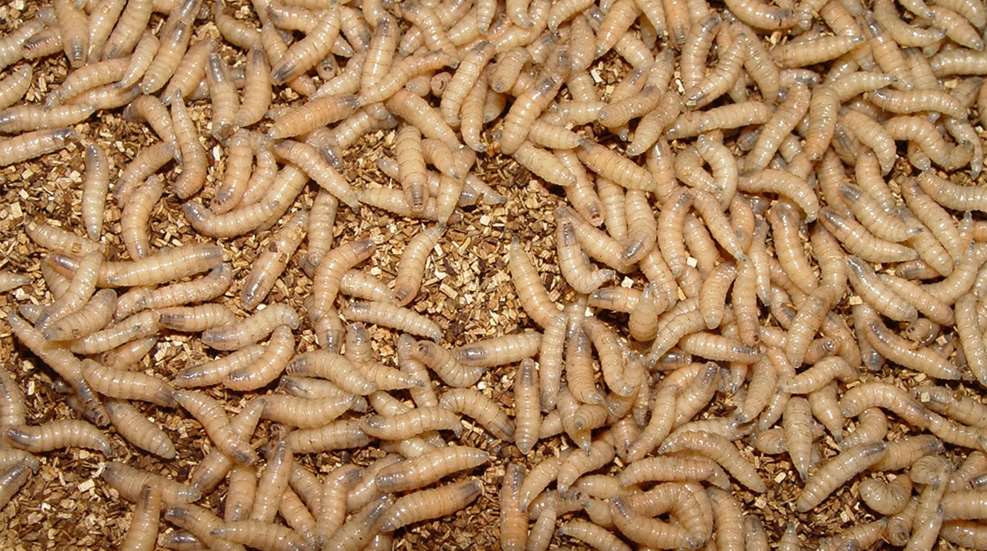
The New World screwworm (NWS) advance from Central America has slowed, so far, in Mexico, thanks to the aggressive introduction of sterile male specimens—a technique that halted stateside wildlife and livestock devastation during the 1950s and ’60s. A response plan in Texas, for implementation if the parasite crosses the border, was unveiled by U.S. officials late last year and some ranchers are not on board with all the requirements.
There is added urgency in the plan’s development and acceptance among stakeholders, however. In early December the Houston Chronicle reported, “[The]…flesh eating parasite is creeping closer to Texas. The northernmost active case of New World screwworm (NWS) in Mexico was recently confirmed about 120 miles south of the Texas border.” A September case, handled quickly by authorities, was detected only 70 miles south of the international border.
Lone Star lawmakers held a committee meeting to review the response plan in early December. A variety of concerns were voiced during that hearing. According to the Texas Tribune, Tim Niedecken, executive director of Livestock Marketing Association of Texas, told officials, “The plan needs significant revision.” He’s also sent letters to the U.S. Department of Agriculture (USDA) explaining requirements that include animals being inspected by a vet before leaving an infested area, treatment prior to transportation, ear tags and more are largely unworkable for his members. On Dec. 4 conditional approval was granted by the U.S. Food and Drug Administration for EXZOLT CATTLE-CA1, a Merck Animal Health product applied topically on livestock to prevent or treat NWS.
The last time NWS fully invaded the U.S. the whitetail deer population in Texas declined by roughly 50 percent, according to the Texas Wildlife Association. Many conservation organizations, including Dallas Safari Club, the Wild Sheep Foundation and others, are raising public awareness on the potential disaster creeping north toward the nation’s wildlife.
The impact to the livestock industry is slightly easier to explain in financial terms. Early in 2025 members of Congress sent an urgent letter to USDA Secretary Brooke L. Rollins. It stated that a, “…contemporary outbreak of NWS could cost producers $4.3 billion per year and cause a total economic loss of more than $10.6 billion. This does not account for the possible expansion of NWS beyond the historic range.”
In August the U.S. Department of Health and Human Services announced the first confirmed case in a U.S. resident. It was contracted while the patient was in El Salvador, however, and the risk to domestic hunters is very low.
For complete details on NWS and the flesh-eating larvae it leaves in warm-blooded animals, visit the USDA webpage dedicated to the parasite and hunting.