Know-How: Five Elk-Calling Don’ts

by
posted on August 19, 2017
** When you buy products through the links on our site, we may earn a commission that supports NRA's mission to protect, preserve and defend the Second Amendment. **
elk_calling_donts.jpg

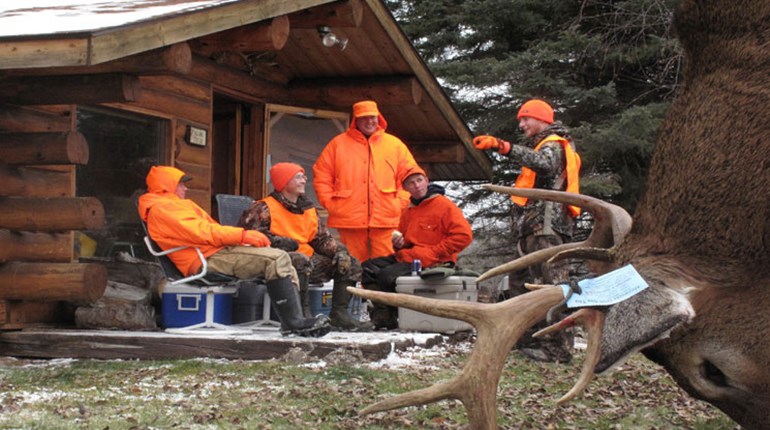
At first light I was sitting on a Montana mountainside listening. Somewhere in the drainages below an elk had bugled. I spotted tan shapes passing between stands of aspen. Just as my game plan was forming I heard another hunter bugle from the horse trail a half-mile back. I winced and held my breath. Though the bull below me could certainly hear the call, it didn’t respond. I was smiling then. That bull had heard people call from that trail before, which is why I didn’t bugle from there. Sometimes calling elk is about knowing what not to do.

1. Don’t Call From Where Everyone Does
It is typically better to call from a spot where a bull is likely to be and where hunters haven’t already called from. View your calling locations as setup spots—a bull could answer close.

2. Don’t Forget Thermals
On a cooling slope, air falls. On a warming slope, air rises. Generally when the sun hits a slope in the morning, thermals shift from downhill to uphill. The prevailing wind and the terrain complicate this basic principle. On a warming slope in late morning, a nearby shady drainage might still have air moving downhill. Wind swirls in bottoms. Reading these currents is critical.

3. Don’t Call Too Much
You are not out there to call; you are out there to convince a bull elk you are either competition or a companion. This means you need to call realistically, as in how an elk would behave.

4. Don’t Hunt Without a Cow Call
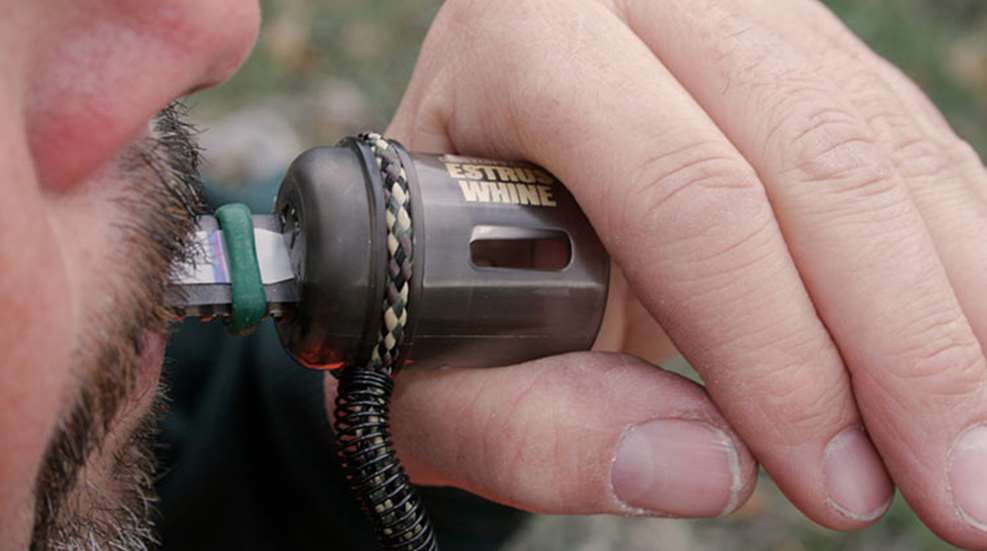
Bugling isn’t everything. Primos’ Hoochie Mama Cow Elk Call made cow calling easy—some say too easy, as pressured elk have likely heard that call many times. Still, a cow call, or several, needs to be in your pocket. Know when to use it.

5. Don’t Forget a Decoy
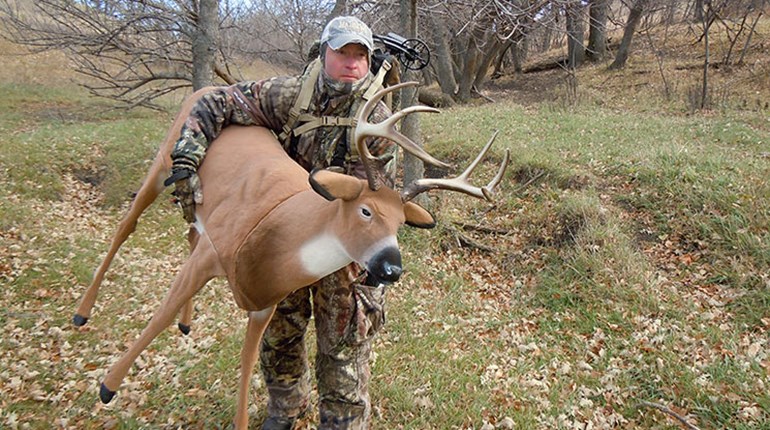
It’s hard not to recommend Montana Decoy Co.’s elk decoys. They are light and fold up into your pack. They are bull convincers, and they offer concealment.

Latest

WB355, Whitetails Use Their Nose Moe Than Any Other Sense, Copyright Mark Kayser

Three Whitetail Traps to Set for Close Shots

Your whitetail hunting location may be as expansive as a national forest or as small as an uncle’s 40-acre woodlot. In either scenario, whitetails have a knack for slipping by just out of shooting range. Whether using a firearm or archery equipment, you do have options to lure whitetails closer. Consider setting a trap this season for your best opportunity at an ethical, in-your-face shot.


Hardware Review: Ravin LR Crossbow

Looking for a new crossbow that packs some serious punch? Look no further than the Ravin LR. Check out Brian McCombie's review of it below.

Don't Fight the Feeling: Setting up a Booner Bowhunt

When your gut tells you to hunt, don’t fight the feeling. Josh Woods didn't, and dropped a legitimate Booner. Here's how he did it.

Range Review: Heritage Badlander Field .410 Bore

This flexible side-by-side from Heritage Manufacturing is ready for a variety of shooting roles including turkey hunting! Check out the full review of the Badlander here.

Win Leica Optics in Sitka’s Diverge 14 Photo Contest

No purchase is necessary to enter the Sitka’s Diverge 14 Photo Contest, and the grand prize winner will net gear worth more than $17,500 from Leica, Sitka, Pelican and Adobe.

Hardware Review: Pulsar Thermion 2 LRF XL60

Simply put, thermal weapon sights represent the greatest technological advantage a hunter or home protector can have since the advent of the firearm itself. The Pulsar Thermion 2 LRF is a great example. Check out Jeff Johnston's Hardware Review of it here.

Interests


Get the best of American Hunter delivered to your inbox.