Michigan’s Department of Natural Resources (DNR) recently issued a reminder on how hunting helps preserve biodiversity on its 103 state parks. The statement, however, applies nationwide.
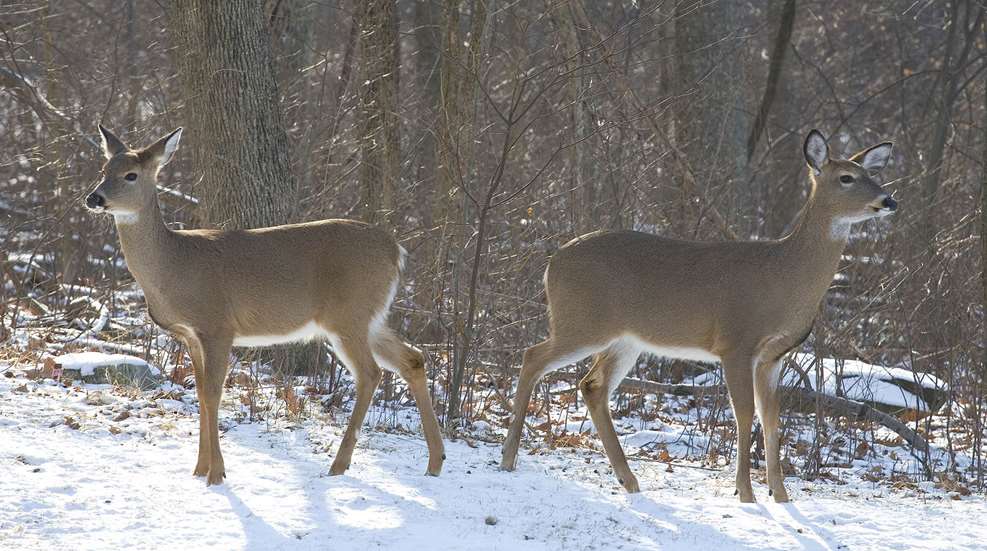
“Over 90-percent of state park and recreation area land is open to hunting,” said Ray Fahlsing, stewardship manager for the DNR Parks and Recreation Division. “Unfortunately, overabundant deer are a significant threat to the biological diversity of most of our state parks and recreation areas. The only thing more worrisome is direct habitat loss.”
Hunters who venture into these areas play a pivotal role in helping preserve and protect these natural public spaces by hunting deer. These animals, often making meals out of park plants and wildflowers, can be highly damaging to flora and fauna.
“Trillium and many other wildflowers are like ice cream to deer,” Fahlsing added. “These highly palatable plant species disappear first when deer numbers get too high. Some ‘tasty’ trees have difficulty regenerating even with relatively low numbers of deer. If deer numbers stay high, less appetizing plants become over-browsed. Eventually, even plants not normally eaten by deer are damaged.”
The impact of too many deer in state parks and recreation areas can snowball into additional issues, he explained. “The impact cascades—pollinator insects decline as the numbers of their host plants are eaten, and birds and animals have fewer seeds and insects to dine on. Ecosystems with too many deer have fewer native plants and are less resilient.”
A part of our natural heritage is diminished when this kind of damage occurs, he added. “This should matter to you whether you are a birder, nature watcher or hunter.”
Outdoorsmen who crave challenges like those encountered in more remote regions can often find them in state parks nearby. “We have a fair number of hunters use the park during deer season—there are regular bow and firearm hunters,” said Park Manager Jim Gallie, park manager at Michigan’s Ludington State Park. “We often see them biking along the lighthouse trail, north to the hunting zone, with their rifles over their backs or while hauling a trailer to assist with getting the deer back to the campgrounds and parking areas.”
“Getting deer out of rolling sand dunes, thick jack pine barrens and around interdunal ponds can be quite a workout,” he said. “We’ve heard multiple tales of it taking hours to get the bagged deer to a boat on Hamlin Lake or to the lighthouse road before biking and boating it to civilization.”