How to Take Better Trophy Shots

by
posted on October 31, 2016
** When you buy products through the links on our site, we may earn a commission that supports NRA's mission to protect, preserve and defend the Second Amendment. **
better_hunt_photo_ex_f.jpg

With our annual “Members’ Best” photo contest gearing up, we thought we’d give you a few tips to take your pictures to the next level, perhaps even to the pages of American Hunter magazine next June.

• Start with a clean lens. Use a cleaning cloth to remove fingerprints, dirt and dust.

• Lighting: Dawn and dusk are best. The sun should be at the photographer’s back. Wait for cloud cover during midday sun or use the flash to distribute light evenly.

• Use a tripod or rock. A stable camera will take a sharper image.

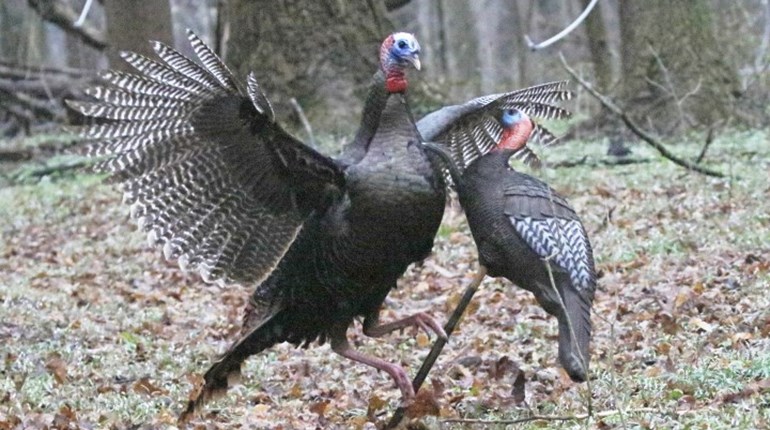
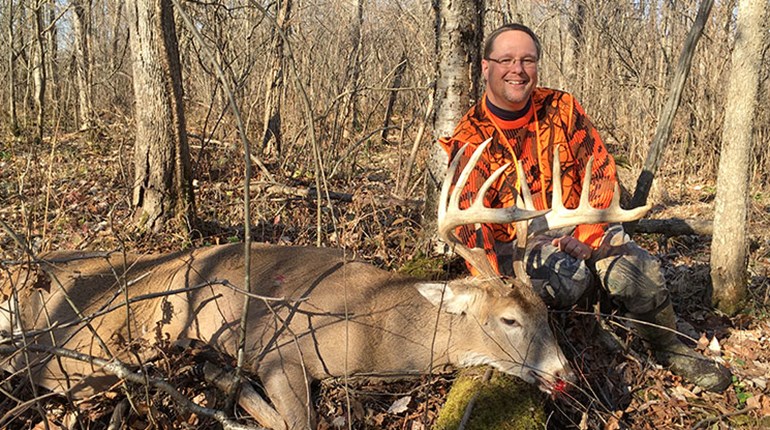
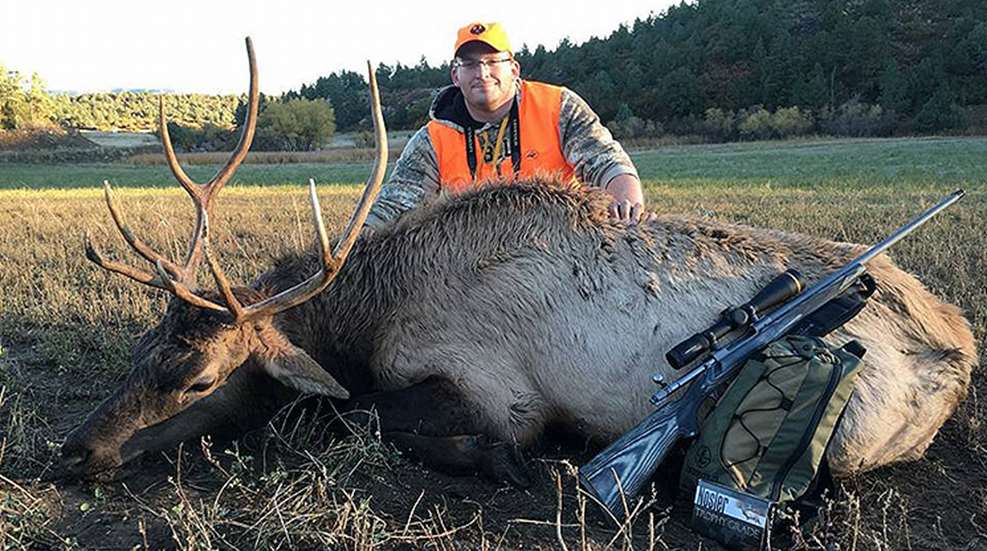
• Make sure the animal looks respectable. Wipe off excessive blood, hide the tongue on big game and position your animal with photos in mind (tuck the legs, spread a wing or fan).

• Take photos in the field, not on your tailgate.

• Utilize the “Rule of Thirds.” Imagine dividing your photo into thirds horizontally and vertically. The imaginary lines intersect at four points; this is where the subject or focal point of the photo should be.

• Photograph from eye level or lower. Avoid “busy” backgrounds.

• Keep the camera rolling. Digital images cost nothing, so take a few more. You might surprise yourself.

• Most important: Be it a smart phone or DSLR, learn your camera and its functions!

Latest

Lead Photo 22 Loing
Lead Photo 22 Loing

Behind the Bullet: The .22 Long

If we could rewind the clock to 1871, before the .45-70 Government and .45 Colt existed, and when cartridges themselves were just establishing a foothold in the shooting world, you’d find a pair of .22-caliber rimfire designs: the .22 Short and the .22 Long. Aptly named, these cartridges would survive well into the 20th century, ultimately being conquered by the .22 Long Rifle cartridge. But in certain situations, the .22 Long cartridge still makes good sense, and actually has a few specialized applications.

Reviewed: Sitka’s Blizzard Pro Parka

Sitka seems to keep “one upping” themselves with gear that not only keeps hunters in the field at a good comfort level, but also with gear that is well made and fits extremely well. Need a parka for the extreme cold, wet or wind? This Sitka product that could be the last parka you will need!

Suffix to Say: The Savage 99 by the Letter(s)

A savage primer to the letters that make up the models of the 99.

New Black-Bellied Whistling Duck Season in Louisiana

A special nine-day Louisiana black-bellied whistling duck season began Oct. 3 and runs through Oct. 11.

Choosing the Proper Goose Load

When gunning for geese, use these tips to select the optimal load.

First Look: Derya Arms EX1300 O/U Shotgun

Derya Arms has introduced the EX1300, a break-action over/under shotgun offered in 12-gauge, 20-gauge and .410 bore.

Interests


Get the best of American Hunter delivered to your inbox.